
How Daylight Saving Time Affects Senior Sleep in Bradenton
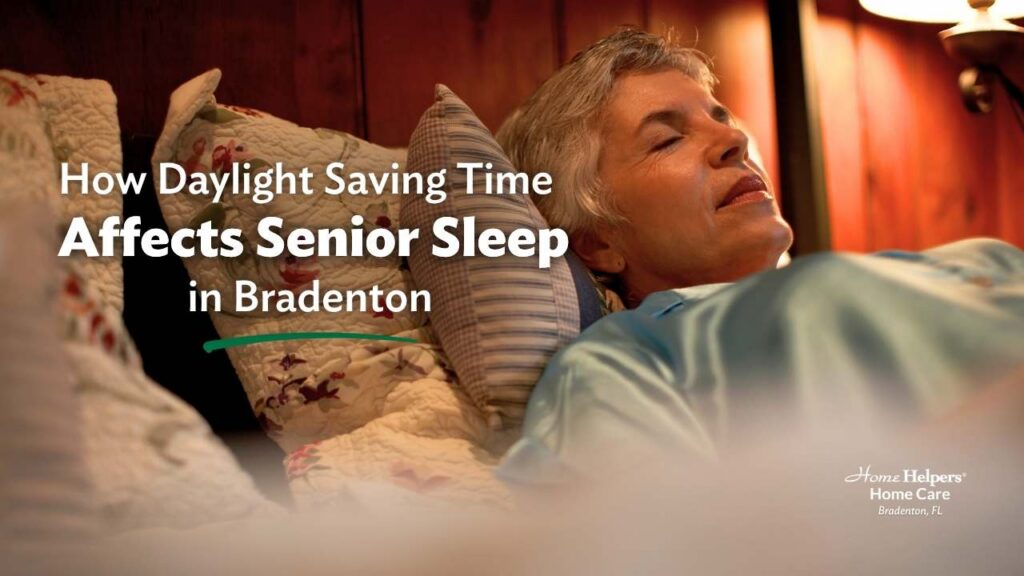
Twice each year, clocks shift across the United States for daylight saving time. In 2026, daylight saving time begins on Sunday, March 8, at 2:00 a.m., when clocks move forward to 3:00 a.m., and ends on Sunday, November 1, at 2:00 a.m., when clocks move back to 1:00 a.m. While this adjustment is intended to extend daylight hours in the evening, the one-hour shift, including losing an hour during daylight saving time DST, can have a noticeable impact on daily routines.
For many adults, the disruption is temporary. For older individuals, however, changes in time can affect sleep patterns, energy levels, and overall stability more significantly. Families often begin to notice subtle differences in the days following the shift. Sleep may become lighter or more fragmented, and daily routines may feel less consistent.
For seniors aging at home in Bradenton, maintaining a steady routine plays an important role in both safety and well-being. Understanding the effects of daylight saving on sleep can help families anticipate changes and provide the right level of support during this transition.
How Daylight Saving Time Affects Seniors
Daylight saving time disrupts the body’s circadian rhythm, which regulates sleep and wake cycles. As people age, this internal system becomes more sensitive to even small changes, especially for older adults.
A one-hour shift can lead to difficulty falling asleep, changes in sleep schedule, earlier wake times, and increased restlessness during the night. These disruptions often result in daytime fatigue, reduced alertness, and changes in overall energy levels.
For seniors, sleep is already lighter and more easily interrupted. This means the adjustment period may take longer, and the effects may be more noticeable compared to younger adults. In some cases, disrupted patterns may resemble mild sleep disorders, even if they are temporary.
Why Sleep Changes Can Impact Daily Safety
Sleep disruption does not remain isolated to nighttime. Its effects often carry into daily activities, where stability and awareness are essential.
Following daylight saving time, families may observe slower movement, hesitation when standing, or reduced coordination. These changes increase the likelihood of imbalance and can contribute to a higher risk of falls.
Understanding fall prevention for seniors at home becomes especially important during this period. When sleep is inconsistent or affected by sleep loss, even familiar environments can present new challenges.
In Bradenton homes where seniors live independently, maintaining predictable routines and safe surroundings plays a key role in reducing these risks while also supporting overall mental health.
How Daylight Saving Time Affects Seniors With Dementia
For seniors living with cognitive conditions, the effects of time changes can be more pronounced.
The internal clock helps regulate not only sleep, but also awareness of time, routine, and environment. When this rhythm is disrupted, it can lead to increased confusion, restlessness, and difficulty following familiar patterns.
Families may notice:
- Changes in sleep-wake cycles
- Increased agitation in the evening
- Disorientation about the time of day
- Greater difficulty maintaining routines
For individuals receiving dementia care at home, consistency becomes especially important during this transition. Maintaining familiar schedules and managing light exposure throughout the day can help reduce stress and support a smoother adjustment.
Tips to Help Seniors Adjust to Daylight Saving Time
Adjusting to daylight saving time is often more effective when approached gradually rather than all at once.
Families can support this transition to ease the transition by making small, consistent changes in the days leading up to and following the time shift. Adjusting bedtime and wake time slightly each day helps the body adapt more naturally and stabilize the sleep schedule.
Maintaining consistent meal schedules reinforces routine, while exposure to natural light during the day supports the body’s internal clock. Evening routines should remain calm and predictable, helping signal that it is time to rest.
These adjustments are simple, but they play a meaningful role in reducing sleep loss and stabilizing sleep patterns.
What Family Caregivers Should Watch For
The days following a time change are an important period for observation.
Subtle changes can provide insight into how well a senior is adjusting. Families should pay attention to patterns such as increased fatigue, reduced appetite, changes in hydration, or signs of confusion.
In some cases, these changes resolve on their own. In others, they may indicate that additional support is needed to maintain consistency and safety.
Recognizing these patterns early allows families to respond before they develop into larger concerns that may affect both physical safety and mental health.
Supporting Routine and Stability at Home
Consistency remains one of the most effective ways to reduce the impact of sleep disruption.
Establishing predictable daily patterns helps reinforce stability, even when external changes occur. This includes maintaining regular wake times, structured activities, and consistent evening routines that support a stable sleep schedule.
For some families, maintaining this level of consistency can become challenging, especially when schedules are already demanding.
In these situations, support such as companion care for seniors can help reinforce routines, provide reminders, and ensure that daily structure remains intact. Even a few hours of consistent support can make a meaningful difference during periods of adjustment.
Planning Ahead for Seasonal Changes in Bradenton
Daylight saving time highlights how sensitive daily routines can be to change. While the shift only occurs twice a year, its effects can extend beyond the first few days.
Some families also explore broader discussions around alternatives such as permanent standard time, especially when considering long-term impacts on sleep and health.
For families in Bradenton, Sarasota and throughout Manatee County, planning ahead allows for a more controlled transition. Preparing schedules in advance, monitoring early signs of disruption, and maintaining consistency all contribute to a smoother adjustment.
Over time, these efforts support long-term stability, particularly for seniors who rely on routine to remain safe and comfortable at home.
Daylight saving time may appear to be a minor adjustment, but for seniors, it can influence sleep, routine, and overall daily functioning.
Understanding the effects of daylight saving, including disrupted sleep and sleep loss, allows families to respond with greater awareness and preparation. By maintaining consistency, observing changes, and making gradual adjustments, it is possible to reduce disruption and support a safer transition.
For those supporting aging loved ones in Bradenton, these seasonal changes also provide an opportunity to reassess routines and ensure the right level of support is in place.
The Most Comprehensive Care In The Industry

Physical Wellness
We make daily life easier as needs change, with support for personal care, mobility, medication reminders, and recovery after a hospital stay.
Learn More
Mental Well-Being
Staying active and connected matters. Our caregivers provide companionship and meaningful engagement to support emotional health and independence.
Learn More
Nutrition & Hydration
Healthy meals and proper hydration are essential. We help with planning, shopping, and preparation to support daily wellness and energy.
Learn More
Active Connections
Strong relationships bring comfort and purpose. We help seniors stay connected through social engagement, technology, and regular check-ins.
Learn More