How Pets Help Seniors Feel Happier and Less Lonely
Need Home Care?
Contact Us Today
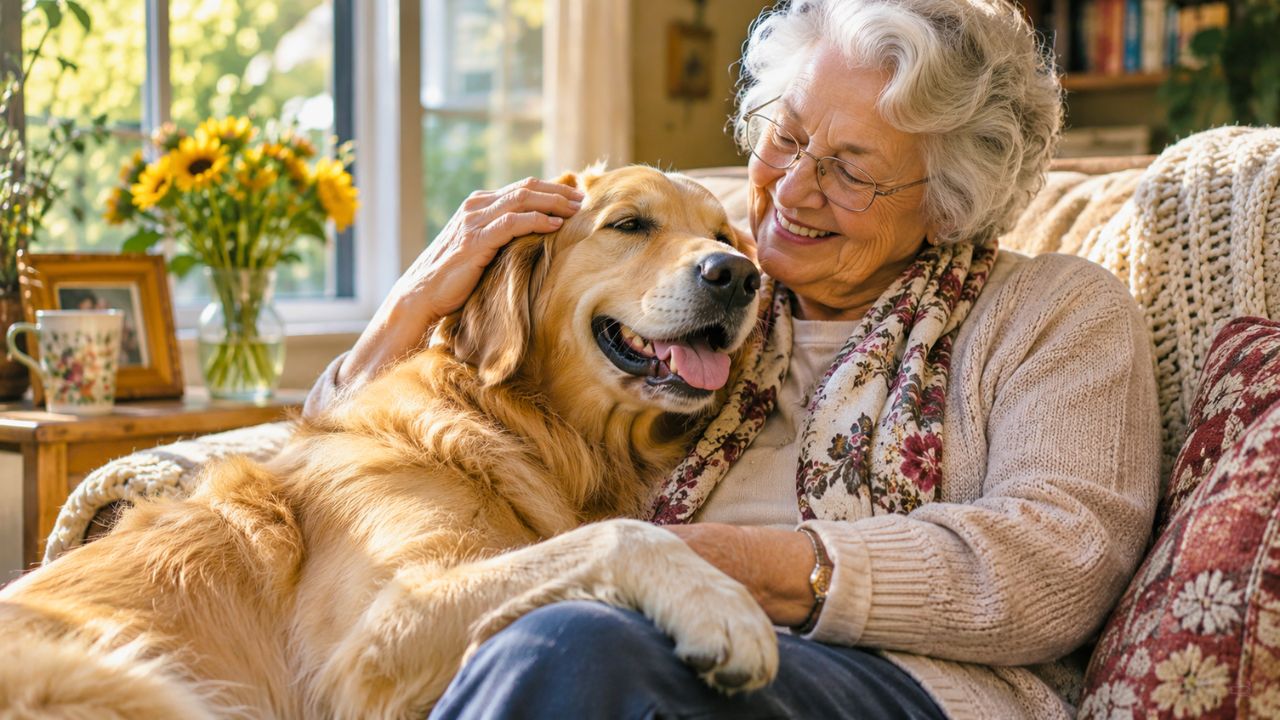
There’s something special about coming home to a wagging tail, hearing a familiar purr from the other side of the room, or having a furry companion curl up beside you while you watch television.
For many people, pets are more than animals living in the house. They’re part of the family.
They greet us in the morning, follow us from room to room, and somehow seem to know when we need a little extra comfort. They become part of our routines, our memories, and sometimes even our conversations.
As we get older, those simple moments of companionship can become especially meaningful.
Retirement, changes in health, the loss of a spouse, or having family members who live farther away can make everyday life feel quieter than it once did. For some older adults, a beloved dog, cat, or other companion animal brings warmth and familiarity to those quieter moments.
In recognition of World Animal Day in October, we’re taking a closer look at the benefits of pets for seniors and why the bond between older adults and their animals can be such a meaningful part of healthy aging.
Because sometimes happiness really does come with four paws and a tail.
The Special Bond Between Seniors and Their Pets
Think about an older woman who has enjoyed her morning coffee on the back porch for years. These days, her husband may no longer be sitting beside her, and her children may have families and busy schedules of their own.
But every morning, her little dog follows her outside, settles near her feet, and keeps her company as she watches the birds.
It’s a simple routine, but one she looks forward to.
For someone who has experienced major life changes, a familiar pet can provide a comforting sense of continuity.
Animals don’t care whether we’ve retired, whether we move a little slower, or whether we tell the same story more than once. They’re simply happy to be near us.
That unconditional affection is one reason pet companionship for older adults can be so meaningful.
Research has found that older adults often describe their pets as sources of emotional support, comfort, affection, and purpose. Of course, everyone’s experience is different, and pet ownership isn’t the right choice for every person.
But for those who enjoy animals and can care for them safely, the relationship can add something wonderful to everyday life.
1. Pets Can Help Ease Feelings of Loneliness
Loneliness is something many families worry about as their parents grow older.
Perhaps Mom no longer drives, making it difficult to visit friends. Maybe Dad has stopped attending some of his favorite activities because getting around isn’t as easy as it used to be.
Even seniors who remain independent may spend more time alone than they would like.
While having a pet isn’t a replacement for meaningful human relationships, animal companionship may help make those quiet hours feel a little less lonely.
A dog resting beside a favorite chair or a cat curled up on the couch can provide a comforting presence.
Pets also give their owners someone to talk to throughout the day.
And anyone who has ever owned a pet knows that conversations with animals can be surprisingly entertaining.
A senior might find themselves telling their dog about the weather, asking the cat why she’s sitting in the laundry basket again, or sharing a laugh when their pet does something unexpected.
These interactions may seem small, but they can create moments of connection and enjoyment.
Studies exploring seniors and loneliness have found potential benefits from animal companionship, although the findings are mixed and researchers continue to study how much pets influence loneliness over time.
What matters most is whether the relationship brings comfort and happiness to the individual.
For some older adults, that familiar presence can make a house feel more like a home.
2. Caring for a Pet Can Bring Purpose to Everyday Life
One of the biggest adjustments that can come with retirement is a change in daily responsibilities.
For decades, someone may have spent their mornings preparing for work, raising children, managing a household, or caring for other family members.
When those responsibilities change, the days can begin to feel less structured.
Having a pet can introduce a familiar rhythm.
The dog needs breakfast. The cat wants her favorite spot by the window. The water bowl needs filling, and someone is definitely going to remind you when it’s time for dinner.
These small responsibilities can provide a sense of purpose.
Instead of wondering what the day will bring, an older adult has someone depending on them for care and affection.
A national poll on healthy aging conducted by the University of Michigan found that many older pet owners associated their pets with a greater sense of purpose and enjoyment in life.
Of course, responsibility needs to remain manageable.
The goal is for pet care to feel rewarding rather than overwhelming.
For a senior who loves animals, a simple daily routine centered around a beloved pet can bring consistency, meaning, and something to look forward to.
3. Pets May Encourage Seniors to Stay More Active
When we think about exercise, we often picture walking programs, fitness classes, or stretching routines.
But sometimes physical activity begins with a dog waiting patiently by the front door, leash in mouth, ready for an afternoon stroll.
For older adults who are physically able to walk a dog safely, these outings can provide a reason to get outside and move regularly.
A short walk around the neighborhood may offer fresh air, a change of scenery, and opportunities to greet neighbors along the way.
In communities like Bradenton and throughout Manatee County, pleasant mornings and cooler seasonal weather can make outdoor time particularly enjoyable.
And the activity doesn’t always need to be a walk.
Playing gently with a cat, brushing a dog’s coat, or tossing a favorite toy may encourage movement and engagement throughout the day.
Research suggests that dog ownership is associated with higher walking activity among some older adults. However, owning a pet doesn’t automatically improve physical fitness, and the type of activity should always match a person’s abilities.
For seniors with balance concerns, arthritis, or mobility limitations, walking an energetic dog may create more risk than benefit.
Families should consider the animal’s size, behavior, and energy level before encouraging activities that could lead to a fall.
The best activities are those that bring enjoyment without compromising safety.
4. Animals Can Bring Comfort During Difficult Times
Life changes don’t stop when we reach retirement.
Older adults may experience grief, illness, reduced mobility, or the emotional challenges that come with losing friends and loved ones.
During these times, having a familiar animal nearby may offer comfort.
Imagine an older gentleman sitting quietly in his favorite chair after a difficult day. His dog climbs onto the couch beside him, rests its head near his hand, and stays there without expecting anything in return.
There are no complicated conversations or explanations needed.
Sometimes, simply having a comforting presence nearby can make a difficult moment feel more manageable.
The emotional benefits of pets are often connected to affection, familiar routines, and the bond that develops over years of companionship.
Petting or spending quiet time with an animal may help some people feel calmer and more relaxed.
However, pets aren’t a treatment for depression, anxiety, or other mental health conditions. Older adults experiencing ongoing emotional distress should receive appropriate support from healthcare professionals and loved ones.
What animals can provide is another source of affection and comfort within a broader circle of care.
5. Pets Can Create Opportunities for Social Connection
One of the more surprising benefits of having a pet is how often animals bring people together.
A neighbor stops to compliment a dog during a walk. Someone asks about a cat’s unusual name. Two dog owners strike up a conversation while waiting at the veterinarian’s office.
Before long, a simple outing becomes a chance to connect with another person.
For older adults who don’t have as many regular social activities as they once did, these everyday interactions may be meaningful.
Pets can also become wonderful conversation starters with family members.
Grandchildren may love hearing stories about a grandparent’s dog. An adult daughter might send funny pet videos throughout the week. Friends may enjoy exchanging photos of their animals.
These small connections can help people feel involved in one another’s lives.
Even seniors who don’t own pets can enjoy animal-related activities.
Watching birds from a porch, visiting a friend with a gentle dog, or spending time with a family member’s pet can create opportunities for conversation and shared enjoyment.
The relationship between pets and healthy aging isn’t only about the animal itself. It can also be about the people, routines, and experiences that animal companionship brings into someone’s life.
When Pet Ownership Becomes More Challenging
As much happiness as pets can bring, caring for an animal is a responsibility that can become more difficult with age.
An older adult who once enjoyed long walks with a large dog may eventually develop arthritis or balance problems.
Someone experiencing memory changes may occasionally forget feeding times or veterinary appointments.
Others may struggle with cleaning litter boxes, carrying bags of pet food, or managing unexpected veterinary expenses.
Families should pay attention to these changes without immediately assuming a beloved pet needs to be rehomed.
For many seniors, the thought of losing an animal companion can be deeply upsetting, especially when that pet has been part of the family for years.
Instead, begin by understanding what has become difficult.
Maybe Mom still enjoys caring for her cat but needs help carrying litter from the store.
Perhaps Dad loves his dog but would benefit from having someone else handle longer walks.
Sometimes relatively small adjustments can help preserve a meaningful relationship.
Senior Pet Care at Home: Ways Families Can Help
Family members can support older pet owners by helping arrange veterinary visits, setting up automatic deliveries of pet food, or coordinating assistance with grooming.
Automatic feeders may be useful in some situations, although they still require monitoring to make sure pets receive the right care.
Families might also arrange for a trusted dog walker or pet sitter when physical limitations make certain tasks difficult.
Keeping pet supplies organized and within easy reach can reduce unnecessary bending or lifting.
Safety matters, too.
Pet toys, water bowls, and leashes should be positioned where they won’t create tripping hazards. Families should also encourage regular handwashing after handling pet waste, food, or supplies.
And there should always be a backup plan for the pet if its owner becomes ill or unexpectedly needs to go to the hospital.
These preparations help protect both the older adult and the animal.
Most importantly, involve your loved one in decisions about their pet whenever possible.
A beloved companion isn’t just another household responsibility. It’s a relationship that deserves respect.
Can Seniors Enjoy Animals Without Owning a Pet?
Absolutely.
Not every older adult is able or interested in caring for an animal full-time.
Some live in housing with pet restrictions. Others have allergies, limited mobility, financial concerns, or simply don’t want the responsibilities of pet ownership.
That doesn’t mean they have to miss out on the joy animals can bring.
A visit from a family member’s friendly dog may brighten an afternoon. Some older adults enjoy supervised interactions with appropriately trained therapy animals through community programs.
Others may prefer watching birds in the backyard or spending time around animals during family outings.
For someone who once loved having pets, looking through old photographs can also bring back wonderful memories.
A simple question like, “Do you remember that dog you had when the kids were little?” may lead to stories, laughter, and conversations that otherwise might never have happened.
The goal is not to convince every senior to adopt a pet.
It’s to recognize how meaningful animals can be and find enjoyable ways to include them in life when appropriate.
The Role of Companionship in Healthy Aging
While pets may provide wonderful emotional support, older adults still benefit from regular human interaction and meaningful relationships.
A dog may offer affection and companionship, but it can’t drive someone to an appointment, prepare a meal, or recognize every change in a person’s daily needs.
As seniors grow older, they may benefit from different kinds of support working together.
Family visits, friendships, community involvement, enjoyable activities, and dependable caregiving can all contribute to a fulfilling life at home.
At Home Helpers Home Care of Bradenton, we understand that companionship is about more than simply having someone in the room.
It’s about getting to know the person, understanding what brings them happiness, and taking an interest in the things that matter to them.
For one senior, that may mean enjoying a conversation over morning coffee. For another, it might mean looking through family photos, working on a favorite hobby, or sharing stories about a beloved pet.
Depending on the care plan, a nonmedical caregiver may provide companionship, assistance with daily routines, meal preparation, and help with activities that support a comfortable home environment.
Families should discuss any pet-related needs with the home care provider in advance, since animal care responsibilities and policies may vary.
What matters is creating an environment where older adults feel valued, connected, and supported.
Sometimes the Smallest Companions Make the Biggest Difference
If you’ve ever watched an older adult smile as their dog greets them at the door or seen the joy on someone’s face when a cat settles into their lap, you understand that companionship doesn’t always require words.
Pets have a remarkable way of becoming part of our everyday lives.
They create routines, inspire laughter, bring comfort during difficult moments, and give us stories we’ll remember for years.
For older adults, those experiences can be especially meaningful.
This October, as we recognize World Animal Day, it’s a wonderful opportunity to celebrate the animals that have brought happiness to our families.
Maybe that means giving a beloved pet a little extra attention, helping an aging parent care for their companion, or simply spending an afternoon sharing memories about the animals they’ve loved.
Because when it comes to enjoying life as we age, sometimes it’s the little things that matter most.
And sometimes, those little things have paws.
At Home Helpers Home Care of Bradenton, we believe every older adult deserves meaningful companionship, compassionate support, and opportunities to enjoy the people, pets, and activities they love.
If your loved one could benefit from additional companionship or assistance with everyday activities, contact Home Helpers Home Care of Bradenton to learn more about our personalized nonmedical in-home care services.
The Most Comprehensive Care In The Industry

Physical Wellness
We make daily life easier as needs change, with support for personal care, mobility, medication reminders, and recovery after a hospital stay.
Learn More
Mental Well-Being
Staying active and connected matters. Our caregivers provide companionship and meaningful engagement to support emotional health and independence.
Learn More
Nutrition & Hydration
Healthy meals and proper hydration are essential. We help with planning, shopping, and preparation to support daily wellness and energy.
Learn More
Active Connections
Strong relationships bring comfort and purpose. We help seniors stay connected through social engagement, technology, and regular check-ins.
Learn More