Life After a Stroke: Helping Seniors Stay Safe at Home
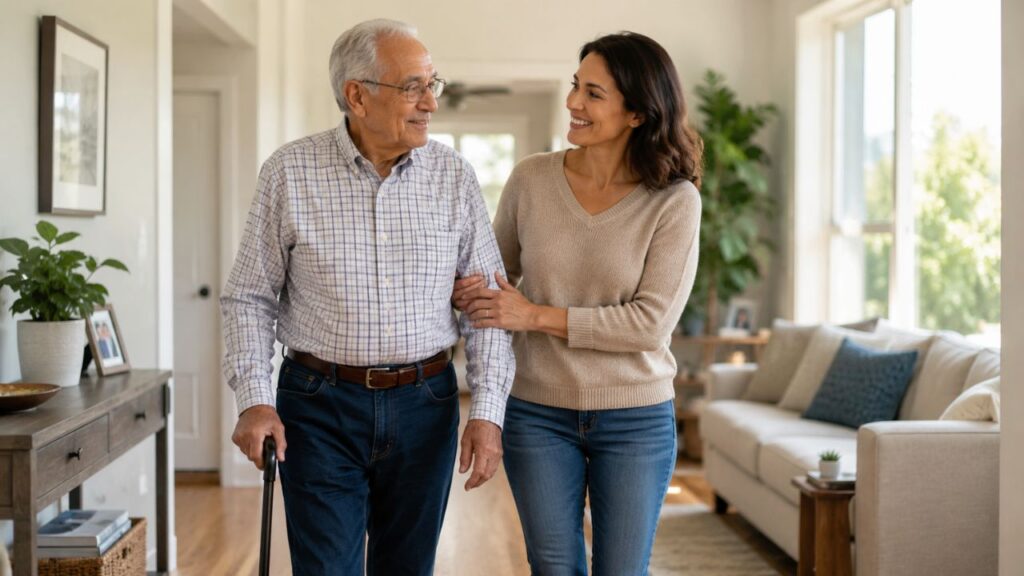
For many families, life after a stroke looks different from what was expected. While the first focus after a stroke is often medical care and rehabilitation, many families quickly discover that healing continues long after a hospital stay ends, sometimes for months or even years.
Life after a stroke can bring changes to routines, mobility, confidence, and everyday activities. For seniors and their families, even simple tasks can suddenly feel different. The good news is that with the right support, encouragement, and home environment, older adults can continue living safely and maintain a sense of independence.
For families throughout Bradenton and across Florida, understanding what life may look like after a stroke can help make the transition feel less overwhelming. Below are practical ways to support your loved one while creating a safer, more comfortable path forward.
Stroke by the Numbers: Why Awareness Matters
Each May, National Stroke Awareness Month encourages communities to better understand stroke risk, prevention, and recovery, but for families living it, these numbers matter any time of year.
According to the Centers for Disease Control and Prevention (CDC), someone in the United States has a stroke every 40 seconds, and more than 795,000 Americans experience a stroke each year. Stroke also remains one of the leading causes of long-term disability.
The American Stroke Association reports that many strokes may be preventable with healthy lifestyle choices and awareness of risk factors.
For families here in Florida, these numbers serve as an important reminder that stroke recovery often continues long after hospital visits and rehabilitation end. Support at home can play a major role in helping seniors regain confidence and adjust to new routines.
Understanding Stroke Recovery at Home
Leaving the hospital or rehabilitation center is often a major milestone. However, stroke recovery at home comes with its own challenges. Your loved one may experience changes in strength, balance, energy levels, speech, memory, or coordination.
Recovery often takes time, and progress may happen gradually. Some days may feel encouraging, while others can feel frustrating.
Helpful ways to support recovery at home include:
• Keeping frequently used items within easy reach
• Encouraging rest between activities
• Creating simple routines for meals and medications
• Allowing extra time for tasks without rushing
• Celebrating small victories and progress
The goal is not perfection. It is creating an environment that feels supportive and manageable.
Simple Steps to Improve Senior Safety After Stroke
One of the biggest concerns families face is senior safety after a stroke. Changes in mobility and balance can increase fall risks and make daily activities more difficult.
Small adjustments throughout the home can make a big difference:
• Remove loose rugs and clutter from walkways
• Add brighter lighting in hallways and bathrooms
• Install grab bars in bathrooms if needed
• Keep commonly used items on lower shelves
• Ensure shoes fit properly and have non-slip soles
These changes help reduce stress while making everyday movement safer and more comfortable.
If daily tasks become difficult, additional support at home can provide reassurance for everyone involved.
Helping Seniors After a Stroke Stay Active and Engaged
Recovery is about more than physical healing. Emotional well-being and connection matter too. Many seniors experience frustration or sadness when activities they once did easily suddenly require extra effort.
When helping seniors after a stroke, gentle encouragement can go a long way.
Simple ways families can help include:
• Taking short walks together
• Working on puzzles or favorite hobbies
• Looking through family photos
• Encouraging visits with friends and family
• Participating in familiar daily routines
Activities do not need to be large or complicated. Familiar moments often create the greatest comfort.
Stroke Support for Families Matters Too
Stroke recovery affects the entire family. Adult children and caregivers often find themselves balancing appointments, schedules, medications, and emotional support at the same time.
Providing stroke support for families is equally important because caregiving responsibilities can quickly become overwhelming.
Signs a caregiver may need extra support include:
• Feeling exhausted or stretched thin
• Difficulty balancing responsibilities
• Increased stress or frustration
• Neglecting personal health or self-care
• Feeling guilty for needing help
Families often feel pressure to handle everything themselves, but asking for support is not a sign of weakness.
Specialized Support Can Make Stroke Recovery Easier
Every stroke recovery journey looks different. Some seniors may need temporary support after returning home, while others may need longer-term assistance as they adjust to changes in mobility, routines, or daily activities.
At Home Helpers Home Care of Bradenton, we provide specialized Support for Stroke Recovery designed around your loved one’s unique needs:
Recovery does not stop after leaving the hospital or rehabilitation center. For many families, this is when the real adjustment begins.
Our caregivers can help with:
• Assistance with activities of daily living
• Medication reminders and routine support
• Mobility assistance and fall prevention
• Encouragement during recovery exercises
• Companionship and emotional support
• Flexible care schedules that adapt over time
Having consistent support at home can help families feel less overwhelmed and provide important stroke support for families during a challenging season of life.
One of the greatest benefits for families is peace of mind. Knowing your loved one has compassionate support allows you to focus on being a spouse, child, or family member rather than trying to manage everything alone.
Most importantly, having help at home allows seniors to recover in a familiar environment while focusing on comfort, confidence, and rebuilding independence.
Maintaining Independence After Stroke
One of the biggest goals after a stroke is maintaining independencewhenever possible. Independence can look different for every senior. For some, it may mean dressing themselves or preparing simple meals. For others, it may mean safely enjoying favorite routines and activities.
Small ways to encourage independence include:
• Offering choices rather than taking over tasks
• Encouraging participation in daily activities
• Allowing extra time for completion
• Focusing on abilities instead of limitations
• Supporting confidence and self-esteem
Preserving independence helps seniors maintain dignity and confidence throughout recovery.
Home Helpers Home Care of Bradenton Is Here to Support Families
Adjusting to life after a stroke can feel overwhelming at times, but families do not have to navigate it alone. Recovery often continues long after hospital visits and therapy appointments end, and having the right support system can make a meaningful difference.
Whether your loved one needs companionship, help with routines, mobility assistance, or more specialized care, our team is here to help.
At Home Helpers Home Care of Bradenton, we proudly support seniors and families throughout Bradenton and surrounding Florida communities. Through our specialized Support for Stroke Recovery services, we help older adults stay safe, supported, and comfortable where they feel happiest: at home.
If your family needs guidance or extra support during recovery, we’re here every step of the way.
The Most Comprehensive Care In The Industry
Physical Wellness
We make daily life easier as needs change, with support for personal care, mobility, medication reminders, and recovery after a hospital stay.
Learn More
Mental Well-Being
Staying active and connected matters. Our caregivers provide companionship and meaningful engagement to support emotional health and independence.
Learn More
Nutrition & Hydration
Healthy meals and proper hydration are essential. We help with planning, shopping, and preparation to support daily wellness and energy.
Learn More
Active Connections
Strong relationships bring comfort and purpose. We help seniors stay connected through social engagement, technology, and regular check-ins.
Learn More