Examining Ways to Maintain Heart Health and Prevent Heart Disease in Illinois
Examining Ways to Maintain Heart Health and Prevent Heart Disease in Illinois
One of my extended family members in the Chicago area passed away suddenly last year due to a heart attack. He was obese, had high blood pressure, and didn’t always eat a heart-healthy diet. Since his passing, I’ve had time to process the loss and learn more about heart disease.
February is American Heart Month to raise awareness about heart health. Considering the loss of my uncle, I want to examine ways to maintain heart health and prevent heart disease in Illinois.
What is Heart Disease?
Heart disease is also known as cardiovascular disease, coronary heart disease, or coronary artery disease. These terms refer to a condition called atherosclerosis, which is characterized by the buildup of plaque in the heart’s arteries. This typically presents in the form of a heart attack, stroke, arrhythmia, or heart valve problems.
“When individuals think about heart disease, they often think about blockages in the arteries. But the reality is that it’s problems with muscle function, valve function, the lining of the heart, and the electrical system. It’s much broader than blockages, although that tends to be the most common presentation of heart disease,” says Northwestern Medicine Cardiologist Micah J. Eimer, MD.
Fortunately, many people have listened to healthcare professionals and made strides in preventing and treating heart disease, resulting in better overall heart health.
According to Dr. Eimer, there has been a decline in the number of deaths in Illinois and across the country due to heart disease or heart attack over the last several decades.
10 Facts About the Heart and Heart Disease
- Heart Disease is the leading cause of death in both men and women in Illinois.
- Approximately 25,600-26,300 people die from heart disease in Illinois annually.
- Heart disease claims a life in the United States every 37 seconds.
- Every year, approximately 805,000 people in the U.S. have a heart attack.
- About 1 in 5 heart attacks is silent – the person is not aware of the damage that has been done.
- Symptoms include chest pain or discomfort, heart palpitations, and shortness of breath.
- Even if you have no symptoms, you may still be at risk for heart disease.
- Half of men who die suddenly of coronary heart disease did not have previous symptoms.
- High blood pressure, high LDL cholesterol, diabetes, and smoking are key risk factors.
- Nearly 7 in 10 people over age 65 who have diabetes will die of some type of heart disease.
Risk Factors
- Overweight and obesity
- Unhealthy diet
- Physical inactivity
- Excessive alcohol use
- Uncontrolled high blood pressure
- Diabetes
- Smoking
Heart Disease Prevention
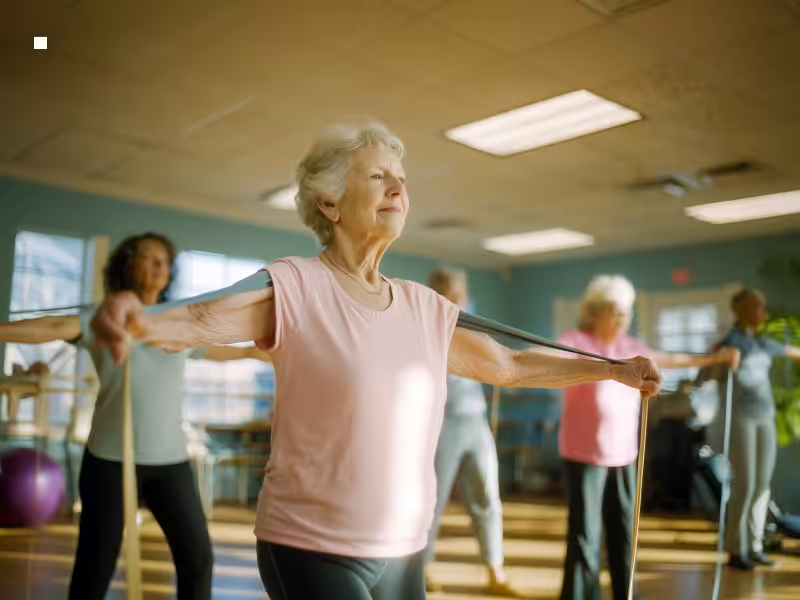
There are ways to reduce these and other risks, like adopting a healthy diet and incorporating physical activity into your routine. The key is to find something you enjoy doing, like walking with friends.
Dr. Eimer suggests, ”People should be finding out if they have non-obstructive coronary disease. These are minor blockages that aren’t causing symptoms or detected by a stress test, but can lead to a heart attack in the future. Your primary care provider or cardiologist may use a blood test or recommend a coronary calcium scan to better determine your risk.”
Heart Health Recommendations
- Life’s Essential 8: The American Heart Association advocates for focusing on diet, physical activity, nicotine avoidance, sleep, weight management, and controlling blood sugar, cholesterol, and blood pressure.
- Small Lifestyle Changes: Experts suggest setting small, achievable goals, such as taking the stairs twice daily or reducing processed foods.
- Nutritious Diet: Incorporate healthy fats (olive oil, nuts) and lean proteins (salmon, tofu) while avoiding excessive red meat and processed foods.
For personalized advice, individuals should consult with a healthcare professional in the Kankakee area to develop a tailored heart health plan.
If you or a senior loved one has heart disease, high blood pressure, or is recovering from a heart attack or cardiovascular surgery, Home Helpers provides non-medical home care and support to help make life easier. Our team of compassionate caregivers is highly trained and skilled to help with personal care, light housekeeping, grocery shopping, meal planning and preparation, 24-hour monitoring, 24-hour in-home care, and a variety of specialized care services, including stroke support and recovery, post-operative care, and recuperative care.
I am happy to offer a FREE Assessment at your convenience to discuss specific needs and create a customized care plan.
Home Helpers® Kankakee & Frankfort is honored to have been ranked among the Activated Insights 2025 Top 100 Leaders in Experience for home care providersand to have received the Best of Home Care® Provider of Choice, the Best of Home Care® Employer of Choice, and the Best of Home Care® Leader in Experience Awards 2025, in addition to the Daily Journal’s Readers’ Choice Award 2025.
Home Helpers® Kankakee & Frankfort proudly serves male and female seniors in Beecher, Bourbonnais, Bradley, Dwight, Frankfort, Kankakee, Manteno, Mokena, New Lenox, Orland Park, Palos Heights, Palos Hills, Tinley Park, Watseka, Wilmington, and surrounding areas. Contact our office today to learn more about the many services offered through Home Helpers® – We are Making Life Easier℠ for you and yours. 815.427.4238
Source:
The Most Comprehensive Care In The Industry
Physical Wellness
We make daily life easier as needs change, with support for personal care, mobility, medication reminders, and recovery after a hospital stay.
Learn More
Mental Well-Being
Staying active and connected matters. Our caregivers provide companionship and meaningful engagement to support emotional health and independence.
Learn More
Nutrition & Hydration
Healthy meals and proper hydration are essential. We help with planning, shopping, and preparation to support daily wellness and energy.
Learn More
Active Connections
Strong relationships bring comfort and purpose. We help seniors stay connected through social engagement, technology, and regular check-ins.
Learn More