Why Is Extra Support at Home So Important for Families Navigating Hospice Care in the Wheaton and Naperville Areas?
Need Home Care?
Contact Us Today
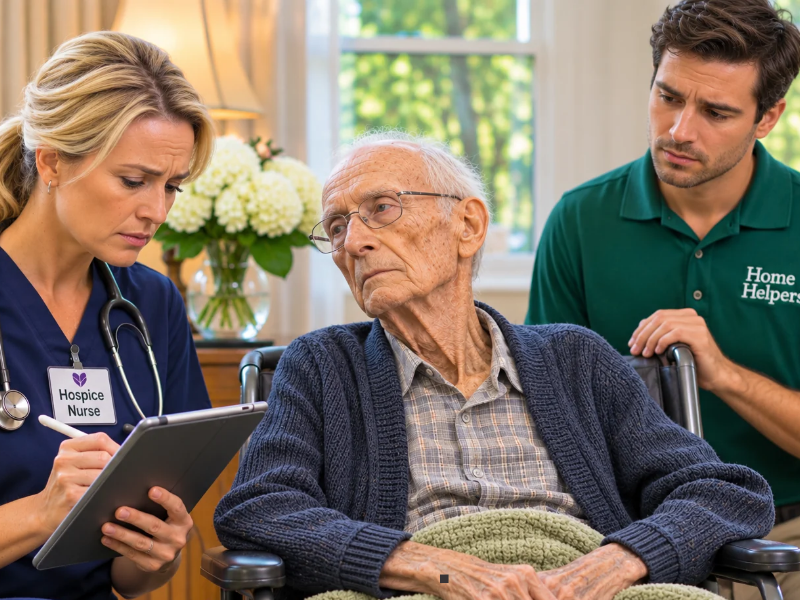
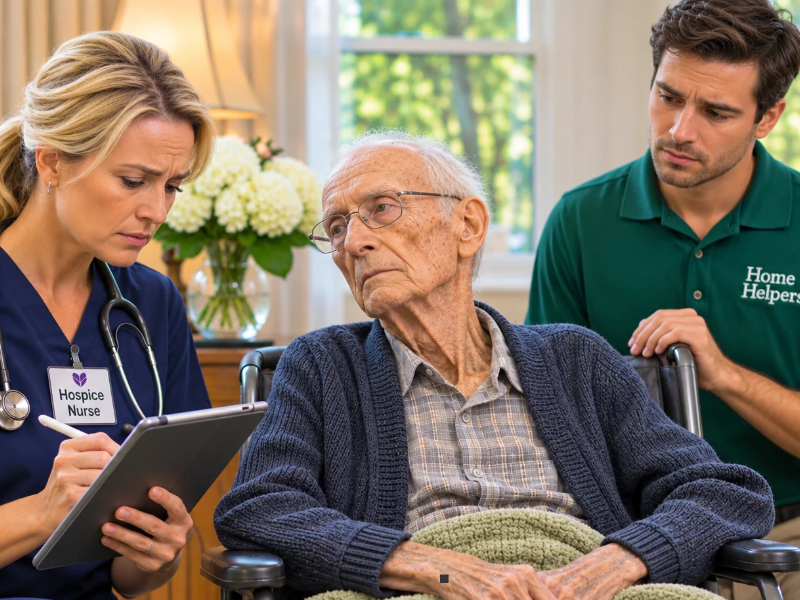
With more than five years in the home healthcare industry, many of the compassionate caregivers I employ at Home Helpers® Wheaton and Naperville have supported hospice care providers as they do their important work when our clients are nearing the end of life.
When someone you love is facing a serious or life-limiting illness, making sure they are comfortable and surrounded by the people and things they cherish becomes a top priority. Hospice care can make this possible by focusing on comfort, dignity, and quality of life rather than curative treatment. However, families often find that caring for a loved one at home takes more time and attention than they expected.
That’s where professional in-home care can help.
November is Home Care and Hospice Month, an opportunity to recognize the dedicated professionals who support individuals and families through challenging healthcare journeys. It is also a good time to understand how non-medical home care and hospice services can work together to provide more complete support.
For families in Wheaton, Naperville, and surrounding communities, Home Helpers® Home Care offers an additional layer of assistance that can make caring for a loved one at home more manageable.
Understanding the Difference Between Hospice and Home Care
Hospice care is designed for individuals with a terminal illness who generally have a life expectancy of six months or less if their illness follows its expected course. Rather than pursuing curative treatment, the focus shifts to managing symptoms, relieving discomfort, and supporting the emotional and spiritual well-being of patients and their families.
Hospice services can be delivered in a patient’s private residence, assisted living community, or skilled nursing facility. A coordinated hospice team may include nurses, physicians, social workers, hospice aides, chaplains, and volunteers.
However, hospice care does not typically mean having a caregiver in the home around the clock. Family members frequently provide much of the day-to-day assistance between scheduled hospice visits.
Non-medical in-home care addresses a different set of needs. Professional caregivers help with everyday activities, household responsibilities, companionship, and personal care. When these services are coordinated with hospice providers, families have access to additional help that can make the home environment more comfortable and supportive.
4 Ways Professional Home Care Can Make the Hospice Journey Easier
Every family’s circumstances are different. Some need occasional assistance, while others benefit from a consistent caregiving presence. Here are four ways professional home care can help complement hospice services.
1. Creating a More Comfortable Home Environment
When someone is seriously ill, even routine household activities can become difficult. Getting dressed, bathing, preparing a meal, or moving safely from one room to another may require additional assistance.
Professional caregivers can help make everyday routines less stressful by providing:
- Companionship: Providing conversation, emotional reassurance, and a friendly presence.
- Personal Care: Assistance with bathing, dressing, grooming, toileting, and other personal needs
- Meal Preparation: Preparing meals and snacks that accommodate individual preferences and dietary recommendations
- Household Assistance: Taking care of light housekeeping, laundry, and other everyday chores
- Mobility Support: Helping individuals move safely throughout their homes and assisting with transfers according to their care plans
These seemingly small acts of assistance can have a significant impact on someone’s daily comfort and dignity.
For families, knowing that a loved one has help with everyday needs can also ease concerns when they cannot be physically present.
2. Allowing Families to Focus on Being Family
One of the most difficult aspects of caring for someone receiving hospice services is balancing caregiving responsibilities with the desire to spend meaningful time together.
Family members may find themselves constantly coordinating appointments, preparing meals, assisting with personal care, and managing household responsibilities. Over time, these demands can leave little opportunity to simply sit together, reminisce, share stories, or enjoy quiet moments.
A professional caregiver can take some of these everyday responsibilities off the family’s shoulders.
With additional assistance in the home, family members may have more opportunities to focus on emotional connections rather than feeling responsible for every aspect of daily care.
Respite care is particularly valuable in these circumstances. Whether a family member needs a few hours to rest, attend to personal responsibilities, or spend time with other loved ones, a professional caregiver can provide temporary assistance and companionship.
Taking a break is not abandoning a loved one. It is an important part of maintaining the energy and emotional strength needed to continue providing support.
3. Providing an Extra Set of Eyes and Ears
A person’s needs can change considerably when living with a progressive or life-limiting illness. Family members may not always recognize gradual changes, particularly when they are managing numerous caregiving responsibilities.
Because professional caregivers spend time assisting with everyday activities, they may notice changes in a person’s routines or abilities. For example, a loved one may begin eating less, require more assistance with mobility, or have increasing difficulty completing personal care activities.
Although non-medical caregivers do not diagnose conditions or make medical decisions, they can communicate these observations to family members and the appropriate healthcare professionals.
This additional communication can help families recognize when it may be time to discuss changes in the care plan with the hospice team.
Having everyone informed and working together helps create a more coordinated approach to meeting the individual’s evolving needs.
4. Maintaining Support When Hospice Services Change
Hospice care is not necessarily a permanent arrangement. Occasionally, a patient’s condition stabilizes or improves, and the individual may no longer meet the eligibility requirements for hospice services. Other individuals may need substantial assistance but do not qualify for hospice care.
In either situation, non-medical home care can continue to provide valuable assistance.
Home Helpers® Wheaton and Naperville caregivers can help individuals with daily routines, personal care, companionship, transportation to appointments, meal preparation, and household tasks.
Care plans can also be modified as circumstances change, allowing families to adjust the amount and type of assistance their loved one receives.
For individuals transitioning out of hospice, continued home care can help ease the adjustment and provide additional support while the family determines what comes next.
Why a Coordinated Approach to Care Matters
Hospice and non-medical home care are not competing services. They address different needs, and together they can help families create a more supportive environment for someone facing a serious illness.
Hospice providers concentrate on medical oversight, symptom management, and end-of-life care. Home Helpers caregivers concentrate on the practical, everyday assistance that helps individuals remain comfortable in familiar surroundings.
Communication between family members, hospice professionals, and in-home caregivers is essential. By keeping everyone informed about changing needs and responsibilities, families can make better decisions about the support their loved one receives.
Most importantly, combining services can help patients maintain familiar routines and spend more meaningful time with the people who matter most.
Home Helpers® of Wheaton and Naperville Is Here to Help
During Home Care and Hospice Month, we recognize that caring for someone with a serious illness takes a team. Hospice professionals provide invaluable services, but families may need additional assistance to manage the everyday demands of caregiving.
At Home Helpers® Home Care of Wheaton and Naperville, we understand that every individual and family has different needs. The compassionate caregivers I employ provide customized non-medical in-home care designed to complement existing care arrangements and help individuals remain as comfortable as possible at home.
Whether your family needs assistance with personal care, meal preparation, companionship, light housekeeping, or respite care, we can develop a care plan that reflects your loved one’s preferences and circumstances.
You don’t have to manage every caregiving responsibility on your own. Let us help lighten the load so you can spend more time doing what matters most.
I welcome the opportunity to schedule a FREE in-home care assessment so we can discuss how personalized care in conjunction with hospice can help your loved one maintain the comfort and dignity they deserve as the end of life nears.
Home Helpers® Wheaton & Naperville is proudly Making Life Easier℠ for veterans, people with disabilities, and senior men and women in Aurora, Bartlett, Bloomingdale, Hanover Park, Hoffman Estates, Itasca, Medinah, Mooseheart, Naperville, Plainfield, Roselle, Schaumburg, Warrenville, West Chicago, Wheaton, and Winfield. 630-800-3837
Dr. Claire
The Most Comprehensive Care In The Industry

Physical Wellness
We make daily life easier as needs change, with support for personal care, mobility, medication reminders, and recovery after a hospital stay.
Learn More
Mental Well-Being
Staying active and connected matters. Our caregivers provide companionship and meaningful engagement to support emotional health and independence.
Learn More
Nutrition & Hydration
Healthy meals and proper hydration are essential. We help with planning, shopping, and preparation to support daily wellness and energy.
Learn More
Active Connections
Strong relationships bring comfort and purpose. We help seniors stay connected through social engagement, technology, and regular check-ins.
Learn More