How Can Seniors in Wheaton and Naperville Reduce Their Risk of Falls at Home?
Need Home Care?
Contact Us Today
As a Doctor of Nursing Practice and President of Home Helpers Wheaton and Naperville, I have met with hundreds of seniors and families to discuss the array of in-home care services provided by the compassionate caregivers I employ.
After these FREE Assessments, I always conduct a home safety check and offer practical advice about ways to prevent aging adults from falling.
Could a few simple changes around the house help an older adult stay safer, more confident, and independent? Yes!
Falls are one of the most common safety concerns for older adults. A slip, trip, or stumble that might have caused only a minor bruise years ago can result in a serious injury as we age. Recovery may take longer, and the fear of falling again can sometimes make seniors less active and independent.
That’s why fall prevention for seniors is so important. During Falls Prevention Awareness Month each September, families and caregivers have an opportunity to look at potential hazards and make the home safer before an accident occurs.
For families in Wheaton, Naperville, and surrounding communities, proactive fall prevention can be an important part of helping an aging loved one continue living safely at home.
What Are Common Fall Risks for Older Adults?
Fall hazards aren’t always obvious. Something as simple as a loose rug, cluttered walkway, poor lighting, or a pet underfoot can create a dangerous situation.
Other factors may also increase an older adult’s risk of falling, including:
- Changes in balance or mobility
- Muscle weakness
- Vision changes
- Certain medications or medication combinations
- Improper footwear
- Difficulty navigating stairs
- Wet or slippery bathroom surfaces
- Reaching for items that are too high or too low
The good news is that many household fall risks can be reduced with thoughtful preparation.
12 Fall Prevention Tips for Seniors at Home
1. Clear Walkways and Remove Tripping Hazards
Keep frequently used pathways free of clutter, furniture, electrical cords, loose rugs, and other obstacles. Pay particular attention to hallways and areas between the bedroom, bathroom, kitchen, and living spaces.
2. Improve Bathroom Safety
Bathrooms can be especially hazardous because water can create slippery surfaces. Consider installing grab bars near the toilet, shower, and bathtub. Non-slip mats or adhesive strips can also provide additional traction.
3. Make Sure the Home Is Well Lit
Poor lighting can make it difficult to see obstacles, especially at night. Add nightlights to hallways, bathrooms, bedrooms, and stairways. Keep light switches easily accessible.
4. Encourage Safe, Supportive Footwear
Socks and loose-fitting slippers may increase the risk of slipping. Encourage older adults to wear properly fitting footwear with good traction, especially when walking on stairs.
5. Use Mobility Aids Correctly
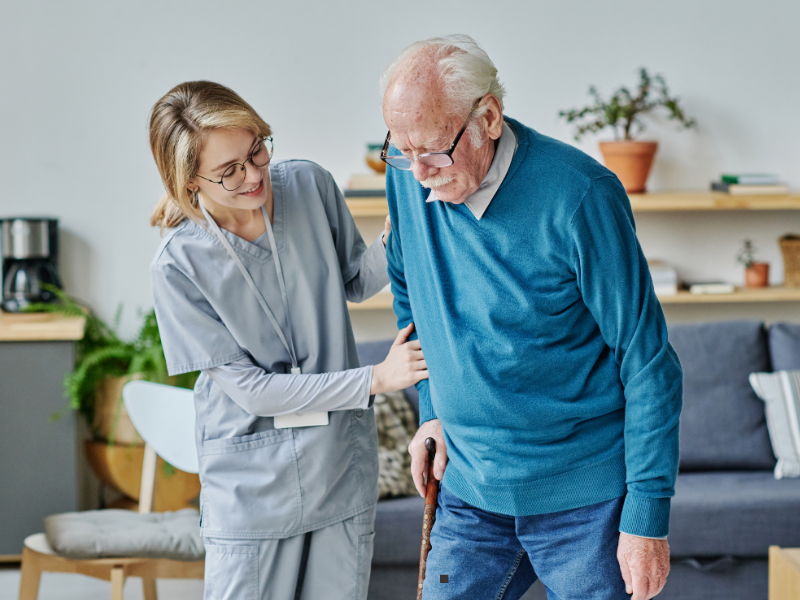
A cane, walker, or other mobility device may help provide stability for someone who needs additional support. However, the device should be properly fitted and used according to recommendations from a healthcare professional.
6. Take Extra Care on Stairs
Stairs can become more challenging as balance and strength change. Install sturdy handrails, keep stairways clear, and consider slip-resistant stair treads or tape.
It can also help to reduce unnecessary trips up and down the stairs by keeping frequently used items within easy reach.
7. Choose Sturdy Chairs With Armrests
Getting up from a low or unstable chair can be difficult for an older adult. Chairs with sturdy armrests can provide support when sitting down or standing up.
8. Watch for Pets and Other Moving Hazards
Pets are wonderful companions, but they can also unexpectedly get underfoot. Family members should be mindful of where pets are when an older adult is walking, particularly when getting up from a chair or moving through narrow spaces.
9. Plan for Winter Weather
For older adults in the Wheaton and Naperville area, winter brings an additional fall prevention concern: ice and snow. Keep sidewalks, steps, and driveways properly cleared and use ice melt when appropriate. Encourage seniors to avoid walking outside during hazardous conditions whenever possible.
10. Think About Aging-in-Place Improvements
If you’re already remodeling a home, consider making changes that can improve safety and accessibility for the future. Wider pathways, improved lighting, safer flooring, accessible bathrooms, ramps, and fewer stairs can all contribute to a more age-friendly home.
11. Keep Phones and Emergency Devices Within Reach
A phone should be easily accessible in the areas an older adult uses most often. For additional peace of mind, families may want to consider a personal emergency response system or 24-hour monitoring service like Direct Link® powered by Aloe Care that we offer at Home Helpers® Wheaton and Naperville.
If a fall does occur, being able to quickly call for help can be extremely important.
12. Consider Help With Daily Activities
Sometimes fall risks arise because an older adult is trying to do too much independently. Assistance with bathing, dressing, meal preparation, housekeeping, mobility, and other activities of daily living may help reduce unnecessary risks while supporting independence.
What Should You Do If an Older Adult Falls?
Every fall should be taken seriously, even if the person says they feel fine.
Some injuries, including certain head injuries, may not be immediately obvious. After a fall, avoid rushing to lift the person if there is a possibility of injury. Assess the situation and seek appropriate medical attention when needed.
Families should also consider why the fall happened. Was there a tripping hazard? Was the floor wet? Did the person become dizzy? Could medication, vision, balance, or mobility have played a role?
Identifying the cause can help prevent another fall.
How Can In-Home Care Help With Fall Prevention?
Fall prevention isn’t just about changing the physical environment. Compassionate in-home care can provide another layer of support for older adults who want to remain safely at home.
At Home Helpers® Wheaton and Naperville, caregivers can assist with everyday activities that may become more difficult or risky for an aging adult. Depending on individual needs, support may include personal care, companionship, homemaker services, meal preparation, mobility assistance, and other non-medical home care services.
Most importantly, caregivers can provide families with greater peace of mind while helping older adults maintain their routines and independence.
Don’t Wait Until After a Fall to Prepare
One of the best times to address fall risks is before an accident happens. Walk through your loved one’s home with fresh eyes. Look for hazards, consider where additional support may be helpful, and talk openly about ways to make everyday activities safer.
For families in Wheaton, Naperville, and surrounding communities, Home Helpers® Wheaton and Naperville can help you explore options for personalized in-home care. Contact our office today to schedule a FREE Assessment with my client care manager, Selena, to discuss how in-home care can help your loved one stay safe and independent at home, and she will gladly complete a home safety check for everyone’s peace of mind.
Home Helpers® Wheaton & Naperville is proudly Making Life Easier℠ for veterans, people with disabilities, and senior men and women in Aurora, Bartlett, Bloomingdale, Hanover Park, Hoffman Estates, Itasca, Medinah, Mooseheart, Naperville, Plainfield, Roselle, Schaumburg, Warrenville, West Chicago, Wheaton, and Winfield. 630-800-3837
Dr. Claire
The Most Comprehensive Care In The Industry

Physical Wellness
We make daily life easier as needs change, with support for personal care, mobility, medication reminders, and recovery after a hospital stay.
Learn More
Mental Well-Being
Staying active and connected matters. Our caregivers provide companionship and meaningful engagement to support emotional health and independence.
Learn More
Nutrition & Hydration
Healthy meals and proper hydration are essential. We help with planning, shopping, and preparation to support daily wellness and energy.
Learn More
Active Connections
Strong relationships bring comfort and purpose. We help seniors stay connected through social engagement, technology, and regular check-ins.
Learn More