Aging in Place Safely: Practical Tips for Seniors and Their Families
Aging in Place Safely: Practical Tips for Seniors and Their Families
As we age, many of us want to continue living in the comfort of our own homes. Aging in place offers independence, familiarity, and a sense of security. However, ensuring a safe and comfortable living environment is key to making this a reality. As seniors seek to age in place, ensuring their home remains a safe and supportive environment is essential. Addressing common safety hazards, making necessary home modifications, and considering available resources like non-medical home care can all contribute to a more secure living space. With the right precautions and support, seniors can maintain their independence while minimizing risks, making aging in place both comfortable and safe for years to come.
1. Fall Risks and How to Prevent Them
Falls are one of the most common and serious hazards for seniors. The risk of falling increases as mobility changes, and falls can lead to serious injuries like fractures or head trauma. Fortunately, many fall risks can be minimized with some simple precautions:
- Eliminate tripping hazards: Clutter, loose rugs, and uneven flooring can cause trips and falls. Keep walkways clear, secure rugs with non-slip backing, and fix any flooring issues promptly.
- Improve lighting: Low visibility at night is a major contributor to falls. Ensure that hallways, stairways, and bathrooms are well-lit, and consider motion-sensor lights for added convenience.
- Install grab bars and handrails: In the bathroom, grab bars near the toilet and in the shower can provide extra support. Handrails on staircases also make moving around easier and safer.
- Wear proper footwear: Slippers or shoes with non-slip soles help prevent slipping. Avoid walking barefoot or in socks on slippery floors.
Additionally, regular physical activity is crucial to maintain balance, strength, and flexibility. Activities like walking, yoga, or balance exercises can greatly reduce the likelihood of falling.
2. Home Modifications for Safety
Home modifications are an investment in a senior’s safety and independence. By making small changes, families can create an environment that’s more accessible and safer for aging in place:
- Widen doorways and clear pathways: This is especially important if a wheelchair or walker may be needed in the future. Make sure doorways and hallways are wide enough for easy passage.
- Add ramps or stairlifts: If mobility becomes a challenge, installing a ramp at the front entrance or a stairlift can make it easier to get in and out of the home and safely navigate multiple levels.
- Upgrade bathrooms: Bathrooms are a high-risk area for falls. Consider installing a walk-in shower, a raised toilet seat, and non-slip bath mats. Grab bars should also be placed near the toilet and in the shower for added support.
- Smart home technology: Devices like voice-activated lights, smart locks, and medication reminders can enhance convenience and security. These tools not only make everyday tasks easier but can also be a lifeline in case of emergencies.
3. Consider Getting Assistance from Non-Medical Home Care
While making modifications to the home is essential, it’s also important to consider the role of support in daily activities. Non-medical home care services can provide valuable assistance to seniors who need a little extra help around the house.
Non-medical home care includes services like:
- Personal care assistance: Help with dressing, grooming, and bathing can be vital for seniors who have difficulty with these tasks.
- Meal preparation: Ensuring that a senior eats nutritious meals can become more challenging with age. A caregiver can assist with meal preparation and ensure proper nutrition.
- Light housekeeping: Tasks like cleaning, laundry, and grocery shopping can be tough for seniors to manage on their own. Non-medical caregivers can take care of these duties, allowing the senior to maintain a clean and comfortable home.
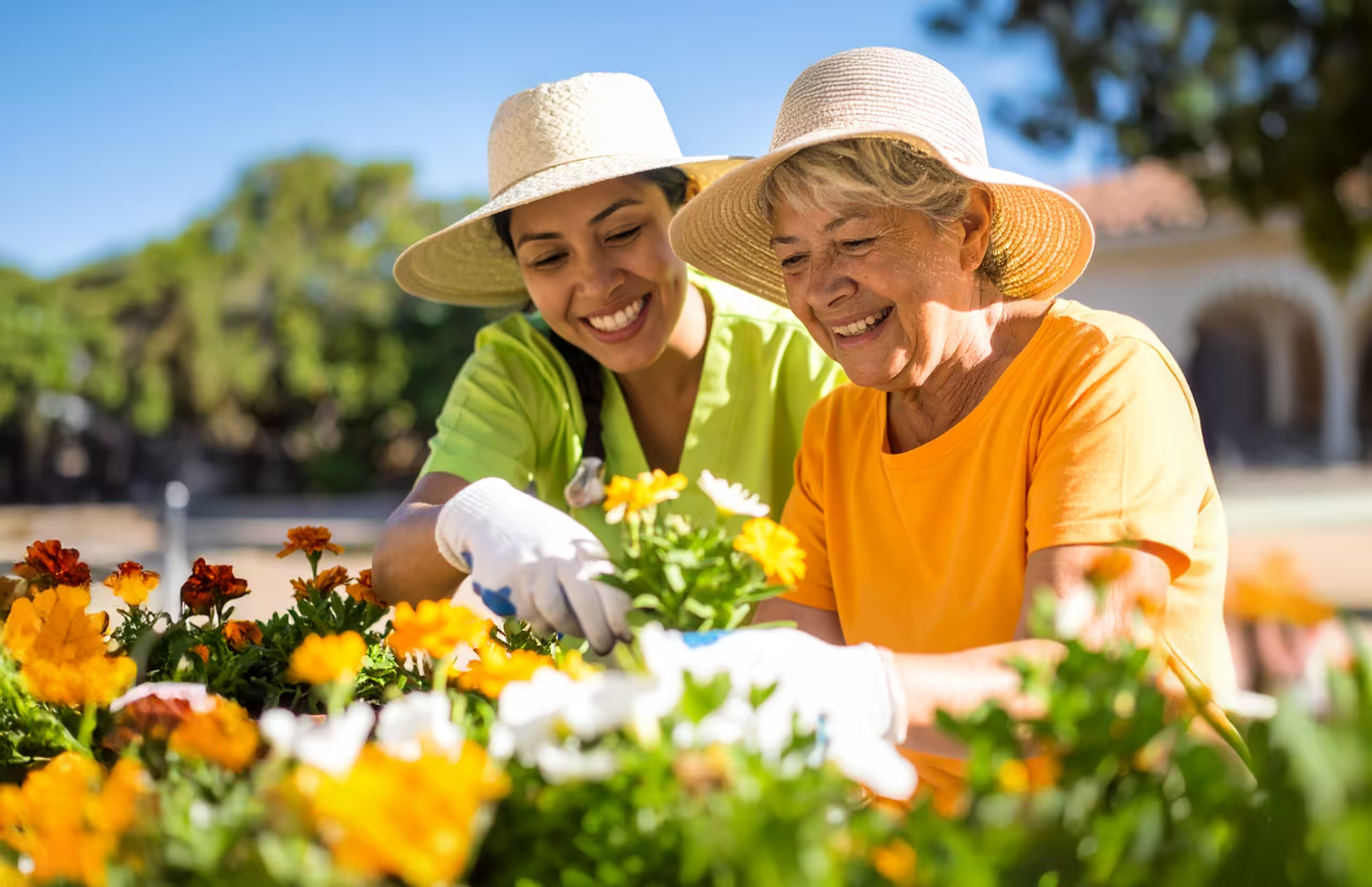
Additionally, non-medical caregivers provide companionship and emotional support, which is crucial for preventing feelings of isolation or loneliness. They can also respond in case of emergencies, offering peace of mind to both the seniors and their family members.
When choosing a home care provider, look for a reputable agency with trained, compassionate caregivers who can meet your loved one’s unique needs.
Conclusion
Aging in place safely doesn’t happen overnight, but with careful planning and small, thoughtful changes, seniors can continue to live independently and comfortably at home. By addressing fall risks, making necessary home modifications, and considering the support of non-medical home care, families can ensure their loved ones are as safe and secure as possible in their own homes.
Starting early and taking action before issues arise can make all the difference in ensuring a smooth transition to aging in place. With the right precautions and support, aging at home can be a fulfilling and safe experience for seniors and their families alike.

The Most Comprehensive Care In The Industry

Physical Wellness
We make daily life easier as needs change, with support for personal care, mobility, medication reminders, and recovery after a hospital stay.
Learn More
Mental Well-Being
Staying active and connected matters. Our caregivers provide companionship and meaningful engagement to support emotional health and independence.
Learn More
Nutrition & Hydration
Healthy meals and proper hydration are essential. We help with planning, shopping, and preparation to support daily wellness and energy.
Learn More
Active Connections
Strong relationships bring comfort and purpose. We help seniors stay connected through social engagement, technology, and regular check-ins.
Learn More