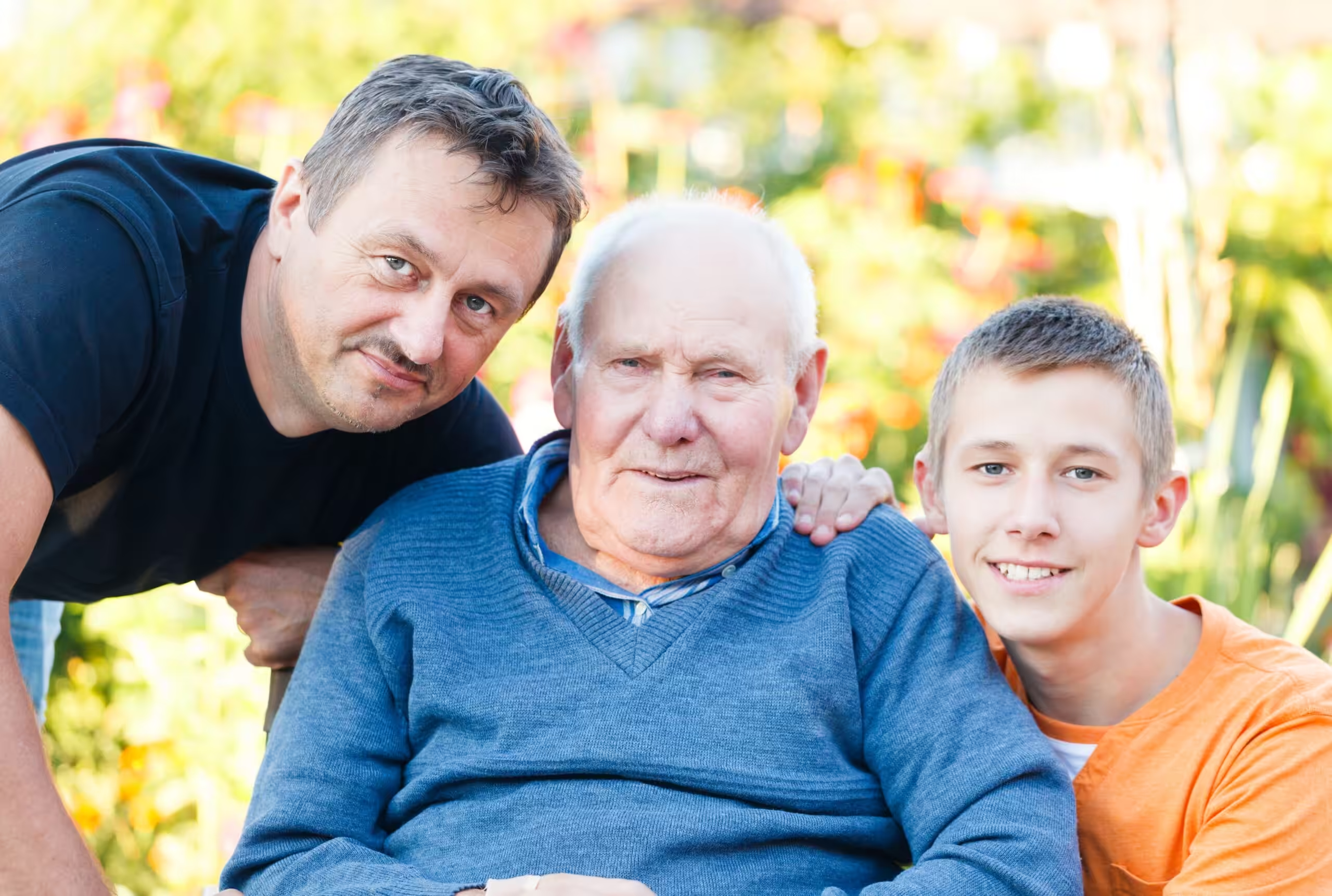
Being a senior caregiver is a responsibility that knows no season. Each season brings its own range of challenges that caregivers have to be aware of in order to take adequate precautions. There are lots of ways that the winter season in particular can present problems to people living with Alzheimer’s, and especially for those who experience sundowning. Addressing the ways that winter challenge senior family members is wise, and remember – you can always depend on Home Helpers for assistance during this important time of year.
What Is Sundowning?
Sundowning is a particular dimension of Alzheimer’s disease that some of those who have been diagnosed experience. It is characterized by a marked distress, confusion, anxiety, and disorientation during sunless hours of the day. Other seniors experience a heightened degree of sleepiness during the dark portion of the day, which can interrupt the schedule that caregivers maintain for the well-being of their family member. Mornings and evenings can become increasingly challenging as a result of sundowning, which can be prolonged as a result of the increased number of dark hours during winter months.
Seniors with Alzheimer’s are likely to depend on visual clues to successfully navigate their environment; the changing daylight hours can complicate the tasks that can normally be taken care of independently. Dressing, light cleaning, and taking medication can all be complicated because of decreased visibility.
Tips for Managing Sundowning
There are some simple, practical ways to address sundowning in people with Alzheimer’s:
- Open curtains to capture the fullness of available daylight
- Place additional lights in the homes and switch them on earlier
- Install motion detectors to switch lights on in rooms and hallways
If your family member tends to spend time outside, adding strips of reflective material to shoes, hats, jackets, and other garments will help improve their visibility during low light.
Changing Weather and the Effect on Seniors
The winter brings several seasonal changes, including falling temperatures. Even in locations where temperature does not fluctuate to a large degree, the decreasing daylight hours can contribute to sundowning symptoms. The increased confusion and disorientation can complicate caregiver tasks and make the day harder on everyone.
Although sundowning can occur at any time of year, the increased hours of darkness during the winter months can make winter especially challenging for many caregivers. Even though it gets dark earlier, caregivers may have an inflexible work schedule that does not allow for effective sundowning management each day. Home Helpers offers specialized Alzheimer’s training to our caregivers. Please call us if you or someone you know are in need of assistance with non-medical options.