How Often Should an Elderly Person Bathe?
Maintaining hygiene is important for health and well-being. For seniors, however, bathing can be both challenging and delicate. Age-related changes, including reduced mobility and fragile skin, can make managing hygiene needs and bathing more difficult. Safety concerns also add to the challenges for both seniors and their caregivers.
This guide provides expert advice on the recommended bathing frequency for seniors. It also includes practical tips to ensure the experience is both safe and comfortable.
How Often Should an Elderly Person Bathe?
How often seniors bathe depends on their unique needs, such as how active they are, their health, and what they prefer. Personal hygiene is important for everyone. However, bathing too often may harm seniors, especially those with sensitive or dry skin. Here are some key recommendations:
General Recommendation
Most experts recommend that seniors bathe at least once or twice a week. This frequency helps maintain cleanliness and prevents skin irritation or infection without stripping the skin of its natural oils.
For some seniors, bathing more than twice a week may be beneficial, depending on their circumstances. However, this should be balanced with their skin’s tolerance and hydration levels to avoid dryness or irritation.
Daily Spot Cleaning
In between full baths, it’s important to focus on daily spot cleaning. This ensures that hygiene is maintained in areas prone to bacteria buildup or odor:
- Face: Washing the face removes dirt and oils that can clog pores.
- Underarms and Groin: These areas can accumulate sweat and bacteria, requiring regular attention.
- Feet: Keeping feet clean prevents fungal infections and odor.
This approach ensures hygiene without the need for a full bath every day, especially for seniors with mobility challenges.
Health Conditions
Some health conditions may require adjustments to bathing frequency:
- Incontinence: Seniors experiencing incontinence may need to bathe or clean affected areas immediately after an incident to prevent skin irritation, breakdown, or infection.
- Dementia or Cognitive Challenges: Seniors with dementia may resist bathing or find the process distressing. In such cases, caregivers can use calming strategies and adapt the bathing routine to the senior’s comfort level.
- Skin Conditions: Seniors with conditions like eczema or psoriasis should follow dermatologists’ recommendations, which may include less frequent bathing with lukewarm water and gentle, fragrance-free products.
Active Lifestyle
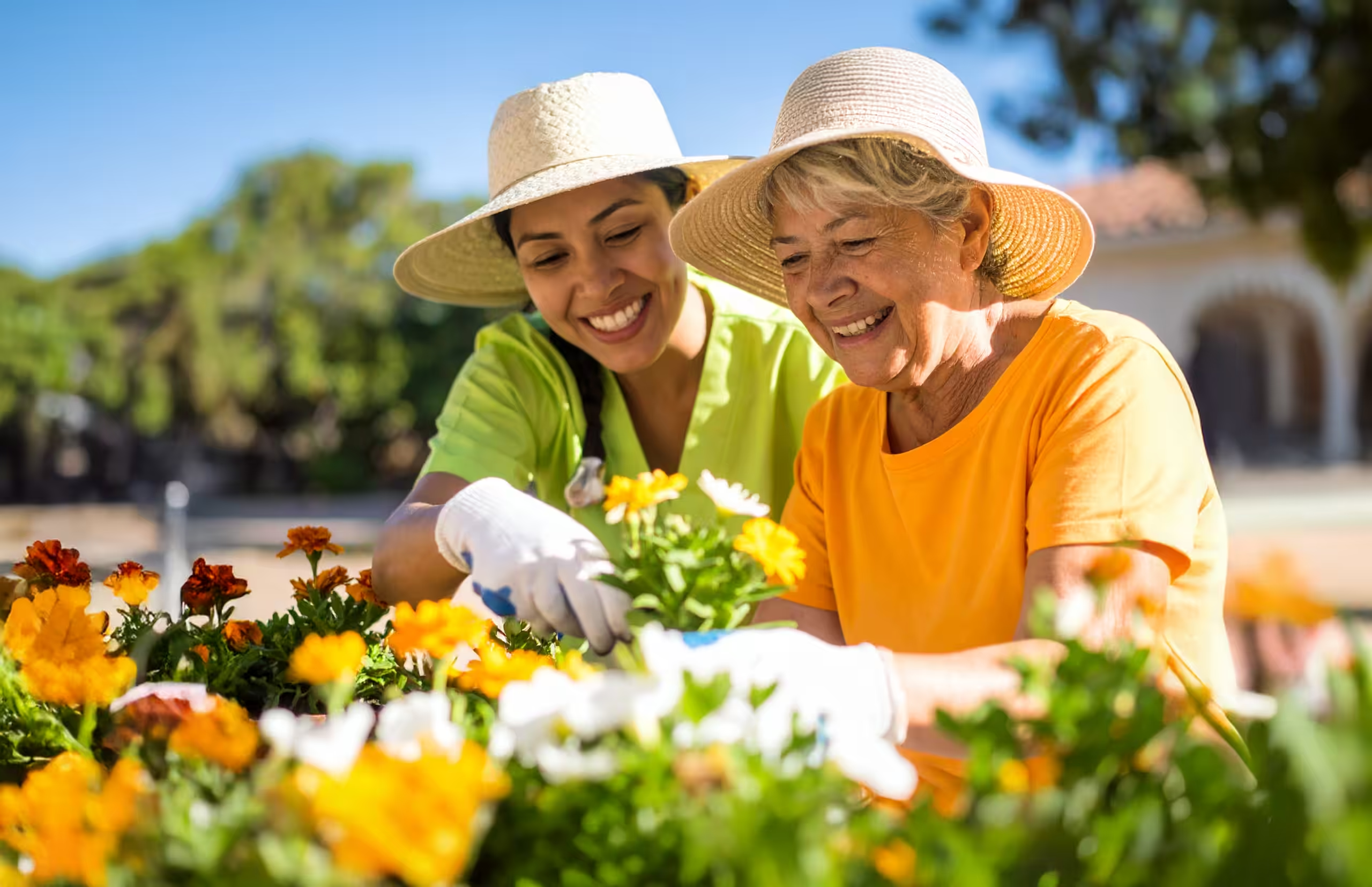
Active seniors or those who spend time outdoors may need to bathe more often to stay clean from sweat and dirt. For example, a senior who exercises regularly or gardens might feel more comfortable bathing every other day.
Why Bathing Frequency Varies for Seniors
The needs of seniors can differ significantly based on their physical health, living environment, and personal preferences. Understanding these factors can help caregivers create a safe and practical bathing routine that meets individual needs.
1. Climate
Seniors living in warm or humid climates may sweat more, leading to body odor and bacterial buildup. As a result, they may require more frequent bathing to stay comfortable and maintain hygiene.
Care Tip: Use fans or air conditioning to keep the home cool, which helps reduce sweating and lessens the need for daily showers.
2. Mobility Issues
Seniors with arthritis, balance problems, or other mobility challenges may find bathing physically demanding. These issues can also make the task feel unsafe. For some, bathing less frequently may be more practical and safer.
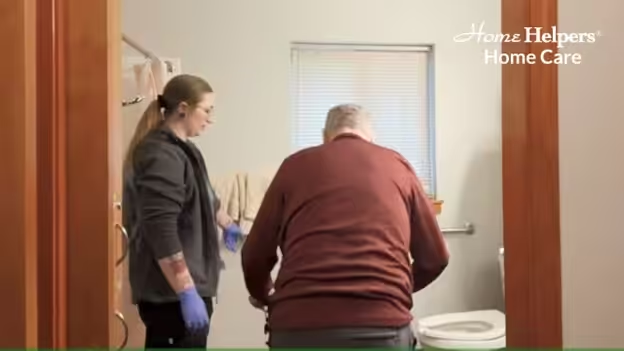
Care Tip: To enhance safety and comfort, consider installing grab bars, non-slip mats, and shower chairs in the bathroom. Handheld showerheads can also make the process easier for both seniors and caregivers.
3. Skin Sensitivity
As people age, their skin becomes thinner and loses moisture more easily. This can cause dryness, cracking, and irritation. Overbathing, especially with hot water or harsh soaps, can strip away the skin’s natural oils, leading to discomfort or even skin conditions like eczema or skin infections.
Care Tip: Use lukewarm water and gentle, fragrance-free cleansers to preserve the skin’s moisture. After bathing, apply a moisturizer specifically designed for sensitive or aging skin.
4. Emotional Resistance
Bathing may also cause anxiety for some seniors because they fear falling, being vulnerable, or losing control. These emotional barriers may lead to resistance or avoidance of regular bathing.
Care Tip: To ease stress, play calming music, offer reassurance, and maintain a positive and patient demeanor. Seniors with significant anxiety may benefit from having a professional caregiver assist them. Their expertise can make bathing feel less overwhelming and more manageable.
By considering these factors and tailoring a bathing routine to the senior’s specific needs, caregivers can ensure that hygiene is maintained without compromising safety, comfort, or emotional well-being.
Tips for Bathing Older Adults
Bathing seniors requires a combination of planning, patience, and the right tools. Below are some strategies to ensure safety and comfort:
1. Prepare the Environment
- Install grab bars in the bathroom for stability.
- Use non-slip mats or strips to prevent falls.
- Ensure the room is warm to avoid discomfort during bathing.
2. Use the Right Tools
- Shower Chairs: Offer support for seniors who have difficulty standing.
- Handheld Showerheads: Provide greater control and make rinsing easier.
- Mild Soap and Moisturizer: Use products designed for sensitive skin to prevent dryness.
3. Communicate and Respect Privacy
- Explain each step before proceeding to make them feel comfortable.
- Preserve dignity by allowing them to perform tasks independently when possible.
4. Adjust to Individual Needs
- For seniors with dementia, maintain a calm and reassuring demeanor.
- Break the process into smaller steps, such as washing one body part at a time, to reduce overwhelm.
How to Help an Elderly Person Who Refuses to Bathe
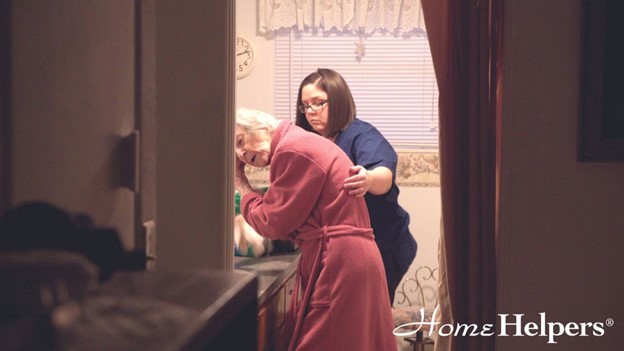
Bathing resistance is common among seniors for various reasons, including fear, discomfort, or cognitive challenges. Here’s how to handle it:
- Understand Their Concerns:
Ask open-ended questions to identify the root cause of their resistance.
Example: “Does the water feel too cold or is the process uncomfortable?”
- Create a Relaxing Environment:
Play soothing music or use aromatherapy to create a calming atmosphere.
Warm towels and gentle lighting can also help.
- Offer Choices:
Let them choose the time of day or whether they prefer a bath or a shower.
Providing a sense of control can reduce resistance and help family members feel more involved in supporting their loved ones.
- Involve Professionals:
If bathing becomes too challenging, consider hiring a professional caregiver experienced in assisting with hygiene needs and personal care.
FAQs About Bathing for Seniors
1. Can bathing routines affect a senior’s sleep quality?
Yes, a warm bath or shower before bedtime can help relax muscles and reduce tension, promoting better sleep. However, it’s important to check that the water temperature isn’t too hot. Hot water can cause discomfort and reduce the calming effect.
2. Is it necessary to use special products for senior hygiene?
It’s recommended to use products specifically designed for aging skin. Look for gentle, fragrance-free cleansers, moisturizing soaps, and shampoos that cater to sensitive skin. Avoid products with alcohol or harsh chemicals that can dry out or irritate the skin.
4. Are there specific times of day better suited for senior bathing?
Some seniors prefer morning baths to feel refreshed, while others may benefit from evening baths to help them relax before bed. Choosing a bath time that aligns with their energy levels and comfort can improve the experience for both seniors and their family members who assist with care.
Bathing for seniors isn’t just about staying clean—it’s about preserving dignity, ensuring comfort, and promoting overall well-being. By understanding seniors’ unique needs, creating a secure environment, and approaching challenges with empathy, caregivers can make bathing less stressful and more manageable for everyone involved.
If you’re looking for professional assistance to provide the highest quality care for your loved one, we’re here to help. Contact Home Helpers Home Care of Bradenton today to learn more about our in-home care services and how we can support your family. Our trained caregivers are dedicated to ensuring that every aspect of personal care is handled with respect, safety, and dignity. Together, we can make a meaningful difference in your loved one’s quality of life.
The Most Comprehensive Care In The Industry

Physical Wellness
We make daily life easier as needs change, with support for personal care, mobility, medication reminders, and recovery after a hospital stay.
Learn More
Mental Well-Being
Staying active and connected matters. Our caregivers provide companionship and meaningful engagement to support emotional health and independence.
Learn More
Nutrition & Hydration
Healthy meals and proper hydration are essential. We help with planning, shopping, and preparation to support daily wellness and energy.
Learn More
Active Connections
Strong relationships bring comfort and purpose. We help seniors stay connected through social engagement, technology, and regular check-ins.
Learn More