7 Home Safety Tips for Seniors in Bradenton, FL
Need Home Care?
Contact Us Today
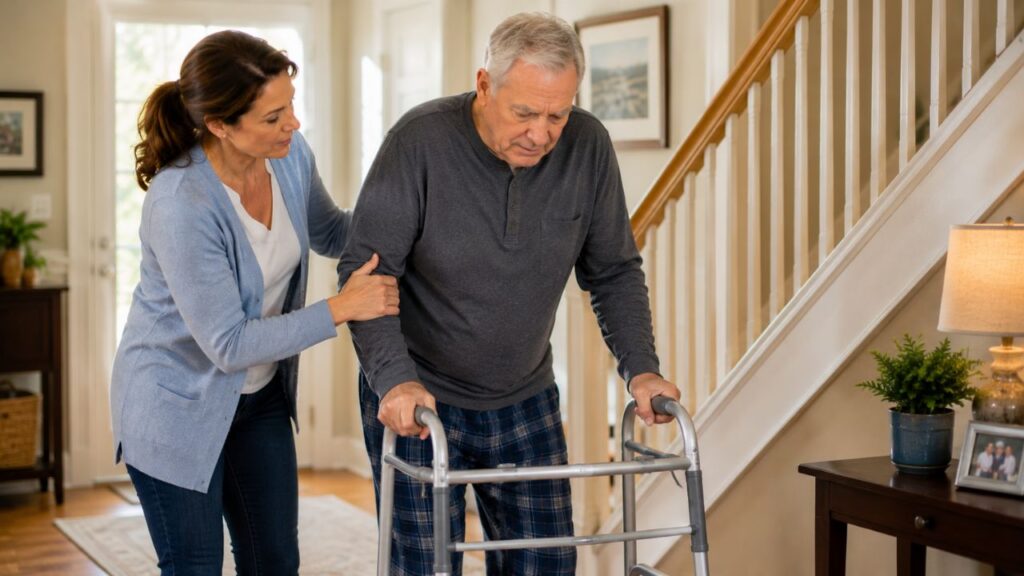
September is National Falls Prevention Month, and as part of National Preparedness Month, it’s also a time to “Get Ready” — a reminder that being prepared starts right at home. For families across Bradenton, there’s no better time to take a closer look at how safe Mom or Dad’s home really is. A loose rug, a dim hallway, or a step without a handrail might seem minor until they cause a fall. Home safety tips for seniors aren’t about wrapping a parent in bubble wrap; they’re about removing the everyday hazards that put independence at risk.
Why Home Safety Matters More Than You Think
Most families don’t think about home safety until something goes wrong. By then, a parent may already be dealing with a broken hip, a hospital stay, or a long road to recovery. A little prevention goes a long way.
Falls Are the Leading Cause of Injury for Older Adults
Falls send more older adults to the emergency room than any other type of accident. Even a “minor” fall can lead to a fracture, a head injury, or a fear of falling again, which can cause a parent to move less, further increasing the risk down the road.
Most Falls Happen Inside the Home
It’s a common assumption that falls happen out in the world — on uneven sidewalks or wet parking lots. In reality, the majority of falls among older adults happen in familiar spaces: bathrooms, bedrooms, and kitchens, where a senior may feel too comfortable to be cautious.
Small Hazards Add Up Quickly
A single loose rug usually isn’t the problem. It’s the rug, plus the dim hallway light, plus the slippery bath mat, plus a medication that causes dizziness. Home safety means looking at the whole picture, not just one risk at a time.
7 Home Safety Tips Every Bradenton Family Should Know
These home safety tips for seniors are simple to implement, and most can be done in a single weekend.
- Clear walking paths. Walk through your parents’ home and remove anything that could trip them, such as extension cords, loose rugs, low furniture, or pet bowls in walkways.
- Improve lighting. Add nightlights in hallways and bathrooms, and make sure light switches are easy to reach from the bed.
- Secure rugs and bath mats. Use non-slip backing or remove rugs entirely from high-traffic areas, especially the bathroom.
- Install grab bars. Bathrooms and showers are the most common fall location in the home; thus, adding grab bars near the toilet and shower can make a real difference.
- Organize medications. Confusing or expired medications can cause dizziness or interactions that lead to falls. A weekly pill organizer helps.
- Keep emergency contacts visible. Post a list of emergency numbers near the phone, and consider a medical alert device for added peace of mind.
- Schedule regular check-ins. Many falls go unnoticed for hours because no one is checking in. A daily wellness visit means someone notices quickly if something’s wrong, and for families who want an added layer of reassurance, wellness calls provide a friendly live check-in by phone so your loved one is never truly alone between visits.
When Home Safety Tips Aren’t Enough
Even with every hazard removed, some seniors need more than a safer environment; they need a second set of eyes. If your parent is unsteady on their feet, manages multiple medications, or has had a fall before, a personal care aide in Bradenton can help with bathing, mobility, and the daily tasks that carry the highest fall risk.
Frequently Asked Questions About Senior Home Safety and Fall Prevention
Q: What is the most common cause of falls in seniors?
A: Muscle weakness, poor balance, vision changes, and medication side effects are among the most common causes, often combined with environmental hazards like poor lighting or clutter. Removing hazards is one of the simplest and most effective forms of prevention.
Q: How can I make a senior’s bathroom safer?
A: Add grab bars near the toilet and shower, use a non-slip mat, and consider a raised toilet seat or shower chair. The bathroom is the most common room for serious falls, so it’s worth prioritizing first.
Q: Does Medicare cover home safety equipment?
A: Medicare may cover some durable medical equipment, like grab bars or shower chairs, when prescribed by a doctor as medically necessary. It does not cover non-medical home care visits, though long-term care insurance or private pay can help fund regular in-home support.
How Home Helpers of Bradenton Can Help
This National Safety Month, you don’t have to tackle every hazard alone. Home Helpers Home Care of Bradenton offers a free home safety check as part of our in-home assessment, identifying hazards you might not notice and recommending the right level of support for your family.
If you’re starting to wonder whether your parent could use an extra set of eyes at home, we’d love to help you think it through. Call us at (941) 499-5946 or schedule a free in-home assessment — no pressure, just a conversation.
The Most Comprehensive Care In The Industry

Physical Wellness
We make daily life easier as needs change, with support for personal care, mobility, medication reminders, and recovery after a hospital stay.
Learn More
Mental Well-Being
Staying active and connected matters. Our caregivers provide companionship and meaningful engagement to support emotional health and independence.
Learn More
Nutrition & Hydration
Healthy meals and proper hydration are essential. We help with planning, shopping, and preparation to support daily wellness and energy.
Learn More
Active Connections
Strong relationships bring comfort and purpose. We help seniors stay connected through social engagement, technology, and regular check-ins.
Learn More