Community Blog
Need Home Care?
Contact Us Today
"*" indicates required fields
Your Blog For Trusted In-Home Care Information

Why Compassionate Dementia Care Builds Lasting Family Trust
Dementia affects more than memory. It reshapes family roles, routines, and emotional stability. Families seeking home care services Phoenix, AZ often feel overwhelmed by uncertainty, concern, and the desire to provide the best possible support for their loved one. Compassionate dementia care recognizes these emotional layers. It goes beyond assisting with daily activities and focuses...
Read More
Overnight Monitoring for Dementia: Peace of Mind for Seniors
Families seeking reliable home care Scottsdale, AZ services often worry most about what happens after dark. Nights can be especially challenging for seniors living with dementia. Confusion, restlessness, and disrupted sleep patterns frequently intensify in the evening, a condition commonly known as sundowning. Overnight monitoring ensures that seniors remain safe, supervised, and comfortable throughout the...
Read More
How Screened Caregivers Build Lasting Trust with Compassion
Trust is the cornerstone of quality home care Fountain Hills, AZ. Families inviting a caregiver into their loved one’s home want assurance that the individual providing support is dependable, qualified, and compassionate. Screened caregivers offer peace of mind by meeting strict hiring standards that prioritize both professional expertise and personal integrity. Through detailed background checks,...
Read More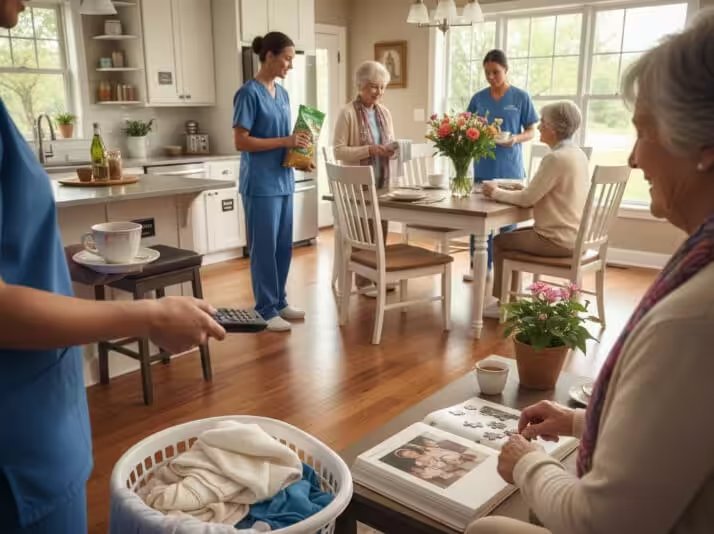
Alzheimer’s Care That Supports Independence and Dignity
Families often begin searching for home care services Phoenix, AZ when a loved one with Alzheimer’s needs daily support that still honors who they are as a person. Alzheimer’s care that prioritizes independence and dignity focuses on abilities rather than limitations. By supporting daily life in familiar surroundings, care helps individuals feel valued, respected, and...
Read More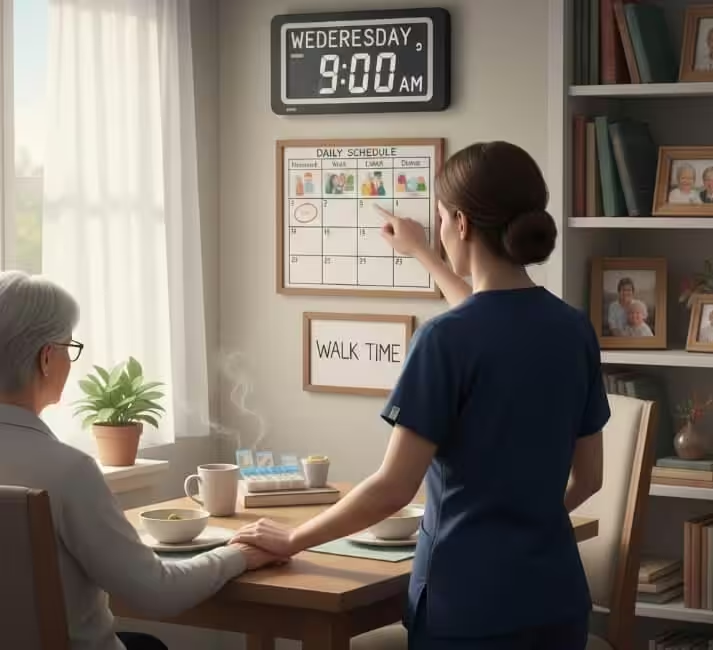
Dementia Care That Promotes Calm and Predictable Routines
Families often begin exploring home care Scottsdale, AZ when a loved one living with dementia shows signs of distress during daily transitions. Dementia can affect memory, perception, and the ability to process change. Predictable routines help reduce confusion by providing structure and familiarity, which supports a calmer daily experience at home. Why Calm Environments Support...
Read More
Trusted Home Care for Mom That Honors Comfort and Routine
Many families start exploring home care Fountain Hills, AZ when they notice that mom is safest and happiest when her day follows familiar patterns. Comfort is not only about physical ease, it is also about feeling secure in a known space with predictable rhythms. When routines are disrupted, older adults may feel anxious or overwhelmed....
Read More
24-Hour Home Care for Families Seeking Reliable Support Now
Families often begin searching for home care services Phoenix, AZ when a loved one requires ongoing assistance throughout the day and night. Changes in routine, safety concerns, or increased need for supervision can make continuous support essential. Twenty-four-hour home care offers dependable presence that helps individuals remain at home while ensuring needs are met at...
Read More
Caregivers Near Me Who Understand Alzheimer’s Progression
Families searching for home care services Scottsdale, AZ, often want caregivers who understand how Alzheimer’s changes over time. The condition affects memory, communication, and daily routines in stages, which means care must adapt thoughtfully. Support that recognizes progression helps individuals remain comfortable and oriented within familiar surroundings. Why Experience with Alzheimer’s Matters Caregivers who understand...
Read More
How Non-Medical Home Care Enhances Everyday Quality of Life
Non-medical home care focuses on helping individuals manage everyday activities that support comfort, safety, and independence at home. Families exploring home care services Fountain Hills, AZ often seek assistance that complements daily life without changing familiar routines. This type of care centers on practical support and companionship, allowing individuals to continue living in the place...
Read More