Healing at Home: Why In-Home Care Matters After a Stroke
Recovering from a stroke is one of life’s most challenging journeys, particularly for seniors who may already be facing age-related health issues. While traditional rehabilitation often takes place in clinical settings, studies suggest that in-home care can significantly accelerate healing and improve outcomes for stroke survivors.
The Power of Familiar Surroundings
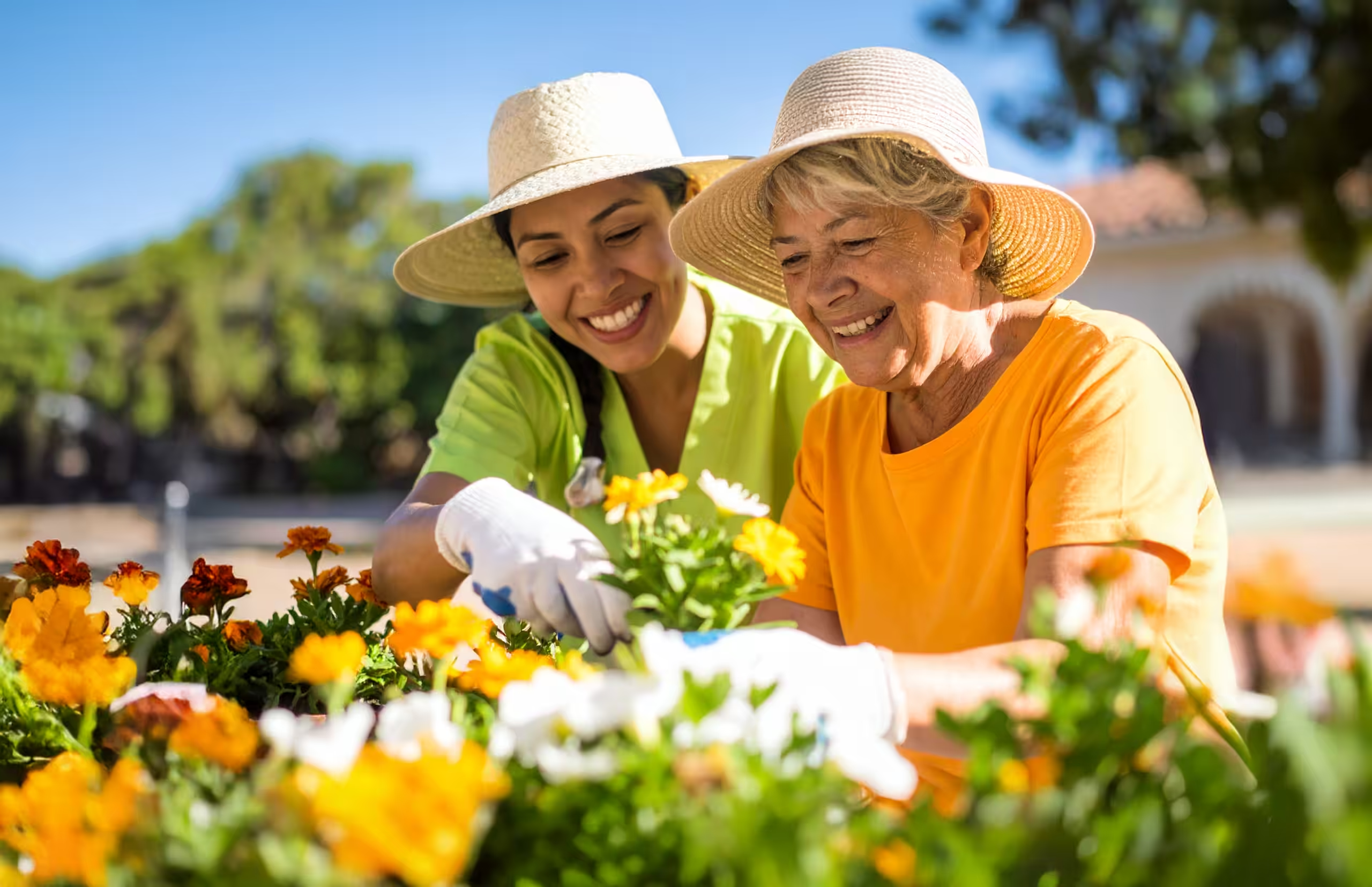
The brain’s ability to rewire itself after a stroke, known as neuroplasticity, thrives in environments where patients feel secure and motivated. Home represents comfort, independence, and normalcy—powerful psychological catalysts for healing. When seniors recover in their own space, surrounded by familiar objects, family photos, and cherished belongings, stress hormones decrease while motivation increases. This emotional stability creates an optimal foundation for the work that needs to be done to rebuild neural pathways.
Research also shows that reduced stress levels correlate with improved stroke recovery outcomes. The sterile, unfamiliar environment of extended care facilities can inadvertently trigger anxiety and depression, which actively hinder the brain’s healing processes. At home, seniors maintain their sense of identity and autonomy, important factors in psychological well-being during recovery.
Personalized, One-on-One Attention
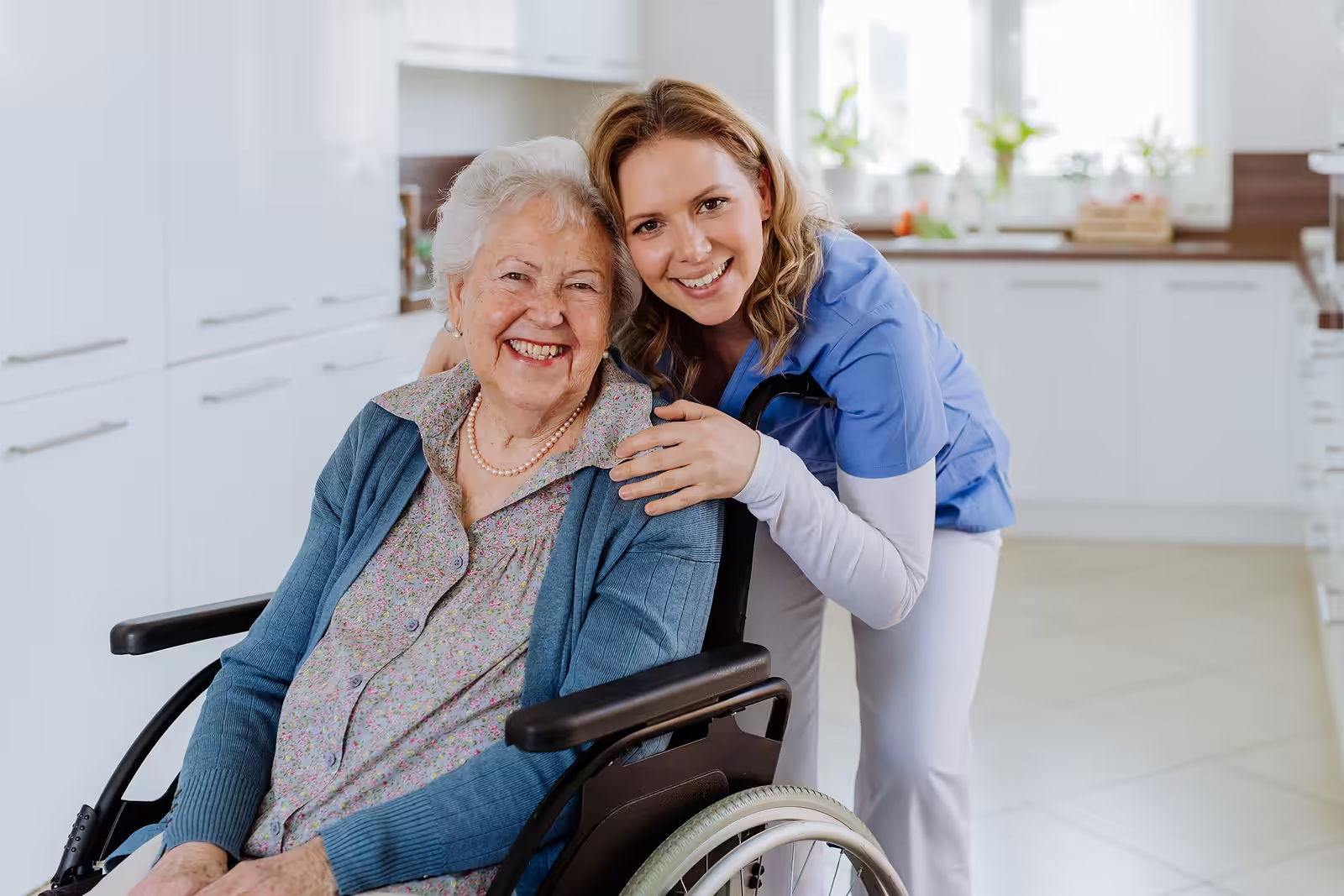
In-home care offers something institutional settings cannot—undivided attention tailored to each senior’s specific needs, personality, and recovery goals. Unlike busy rehabilitation centers where therapists juggle multiple patients, in-home caregivers focus exclusively on one person’s journey. This intensive, personalized approach allows for real-time adjustments to therapy routines, immediate response to emerging needs, and consistent reinforcement of progress.
Additionally, caregivers become intimately familiar with each senior’s unique challenges, whether it’s difficulty with speech, mobility limitations, or cognitive processing issues. This deep understanding allows them to modify techniques, celebrate small victories, and provide encouragement precisely when it’s needed most.
Seamless Integration of Daily Activities
Perhaps most importantly, in-home care can turn everyday activities into therapeutic opportunities. Simple tasks like preparing breakfast, getting dressed, or walking to the mailbox become purposeful exercises in regaining independence. This functional approach to rehabilitation is far more engaging than repetitive clinical exercises, as it directly connects to meaningful life skills.
Even better, family members can be naturally incorporated into the recovery process, learning how to assist with exercises and provide emotional support. This collaborative approach creates a comprehensive support network that extends well beyond scheduled therapy sessions.
Maintaining Social Connections
Social isolation is a significant risk factor for depression and slower recovery in stroke survivors. In-home care allows seniors to remain connected to their communities, friends, and familiar routines. Caregivers can facilitate visits from loved ones, accompany seniors to social activities, and help maintain the relationships that provide emotional nourishment during recovery. Additionally, if family members live far away, caregivers can help seniors with the technical assistance needed for video calls or even participating in the family text string.
In-home care can be extremely beneficial for seniors recovering from a stroke, recognizing that healing involves far more than physical rehabilitation. By honoring the emotional, psychological, and social dimensions of recovery, in-home care creates conditions where seniors can not only heal faster but also reclaim their independence and dignity in the process.
Sources:
https://pmc.ncbi.nlm.nih.gov/articles/PMC10667323
https://www.ahajournals.org/doi/10.1161/STROKEAHA.122.042386
If you or an aging loved one is considering in-home care in Mountain View, CA, please contact the caring staff at Home Helpers today (408) 317-4969.
The Most Comprehensive Care In The Industry
Physical Wellness
We make daily life easier as needs change, with support for personal care, mobility, medication reminders, and recovery after a hospital stay.
Learn More
Mental Well-Being
Staying active and connected matters. Our caregivers provide companionship and meaningful engagement to support emotional health and independence.
Learn More
Nutrition & Hydration
Healthy meals and proper hydration are essential. We help with planning, shopping, and preparation to support daily wellness and energy.
Learn More
Active Connections
Strong relationships bring comfort and purpose. We help seniors stay connected through social engagement, technology, and regular check-ins.
Learn More