When Should Families Consider Dementia Care for a Loved One Living Alone?
Need Home Care?
Contact Us Today
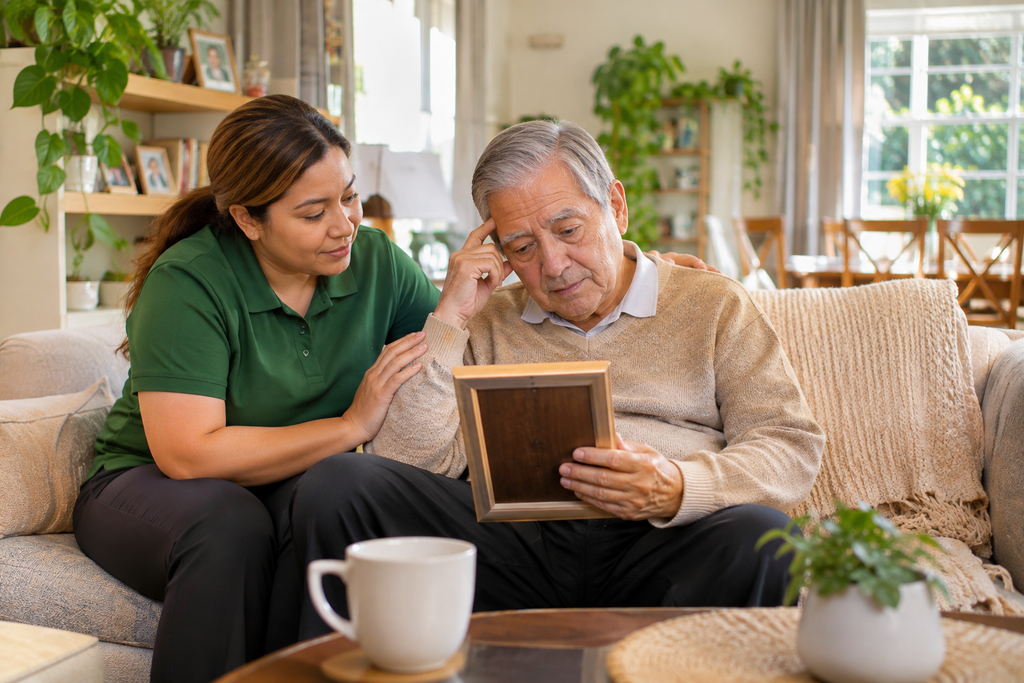
Living alone allows many older adults to maintain their independence, familiar routines, and sense of comfort. However, as dementia progresses, everyday activities can become increasingly difficult. Forgetting meals, leaving appliances unattended, wandering outside, or struggling with personal hygiene may indicate that living alone is no longer a safe arrangement.
So, when should families consider additional support? The answer depends on how dementia affects a person’s daily activities, judgment, and ability to manage household responsibilities. Recognizing these changes early can help families make informed decisions while protecting their loved one’s comfort and dignity.
For families in Santa Ana, Tustin, and surrounding Orange County communities, understanding available dementia care options can help them find the right balance between independence and everyday assistance.
1. Warning Signs That Someone With Dementia Should Not Live Alone
One of the biggest challenges families face is recognizing when an aging parent can no longer manage everyday activities safely without assistance. A loved one may appear comfortable during a short family visit but experience difficulties when left alone for several hours.
Here are some warning signs families should watch for:
- Forgetting to prepare meals: Your loved one regularly skips meals, forgets food on the stove, or struggles to prepare familiar dishes.
- Leaving appliances unattended: Forgetting to turn off the stove, leaving faucets running, or misusing household appliances can create potential hazards.
- Wandering or getting lost: Your parent may leave home without remembering where they intended to go or struggle to find their way back.
- Neglecting personal hygiene: Bathing, dressing, grooming, and other personal routines may become difficult to remember or complete.
- Misplacing important belongings: Frequently losing keys, wallets, or other everyday items can make independent activities more challenging.
- Experiencing frequent confusion: Becoming disoriented in familiar surroundings or confusing the time of day may affect everyday safety.
When these situations happen repeatedly, families should evaluate whether their loved one needs more consistent assistance and supervision.
2. How Dementia Affects Independent Living
Dementia can affect memory, communication, judgment, and the ability to complete familiar activities. Tasks that once required little effort may gradually become overwhelming.
For example, a senior who previously enjoyed cooking may forget the steps involved in preparing a meal. Another person may repeatedly misplace belongings or struggle to follow a familiar daily schedule.
These changes can affect several areas of independent living:
- Meal preparation: Remembering ingredients, following cooking steps, and maintaining regular mealtimes.
- Personal care: Completing bathing, dressing, grooming, and other hygiene routines.
- Household responsibilities: Keeping living spaces organized, doing laundry, and remembering everyday chores.
- Daily schedules: Remembering appointments, planned activities, and regular household routines.
- Social interaction: Maintaining conversations and participating in familiar activities.
For families living in different parts of Orange County, coordinating caregiving can also become challenging. Work schedules, family responsibilities, and travel between Santa Ana, Tustin, Irvine, and Costa Mesa may make regular visits difficult to maintain.
Exploring home care for dementia can help families determine whether additional assistance with everyday activities would make staying at home more manageable.
3. When Should Families Consider Additional Care?
There is no specific age or stage when every person with dementia should stop living alone. The decision depends on their abilities, living environment, available family support, and the level of assistance they require.
However, families should consider additional support when:
- Safety incidents happen repeatedly around the house.
- Their loved one frequently forgets meals or struggles with personal care.
- Wandering or confusion makes leaving home without assistance risky.
- Nighttime confusion interrupts regular household routines.
- Family members cannot consistently provide the necessary assistance.
- Daily responsibilities become overwhelming for the primary family caregiver.
These situations may indicate that independent living needs additional support.
Families should also discuss significant changes with their loved one’s healthcare professional. If there is immediate danger, arrange appropriate urgent assistance rather than waiting for a caregiving plan.
The goal is to recognize when independent living needs additional support and determine which arrangement best fits the senior’s circumstances.
4. How Home Care for Dementia Supports Daily Activities
Moving into another living arrangement is not always the first option families need to consider. Depending on the individual’s circumstances, receiving assistance at home may help them continue enjoying familiar surroundings.
Professional home care for dementia can provide practical assistance with everyday activities while respecting a senior’s preferences, routines, and personal dignity.
Caregivers can assist with several important activities:
- Personal care and grooming: Helping with bathing, dressing, brushing hair, and maintaining personal hygiene.
- Meal preparation: Preparing familiar meals, organizing mealtimes, and providing companionship during breakfast, lunch, or dinner.
- Light housekeeping: Assisting with laundry, organizing personal belongings, and keeping frequently used areas tidy.
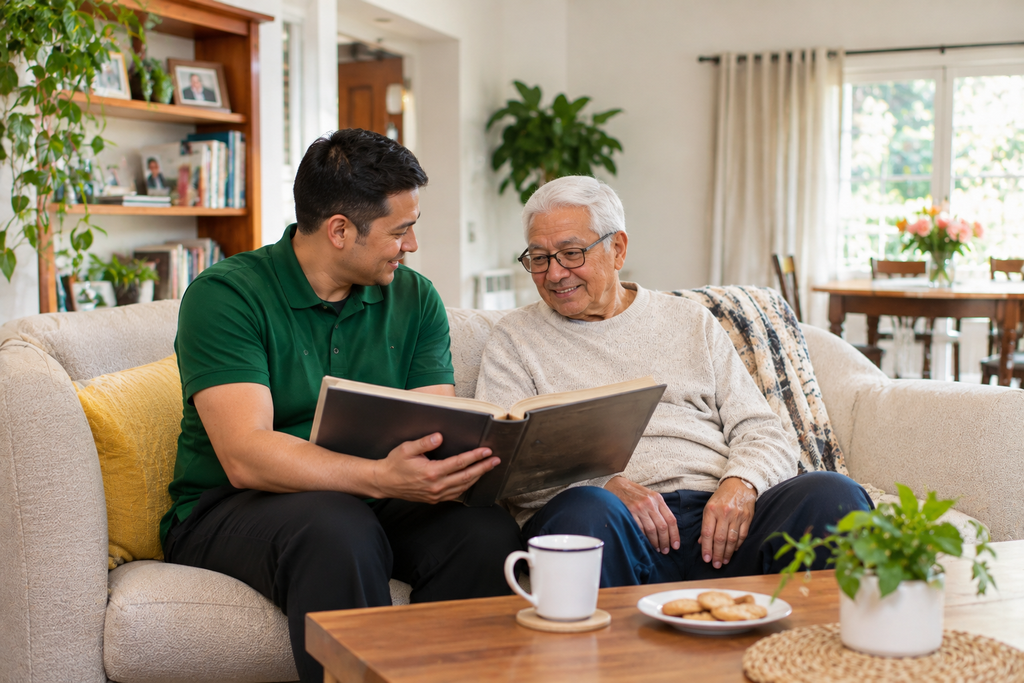
- Companionship: Enjoying conversations, looking through family photographs, listening to music, and participating in familiar hobbies.
- Daily routine assistance: Providing gentle reminders and helping seniors follow familiar schedules.
- Overnight assistance: Offering support during nighttime hours when additional help is needed.
For families exploring home care for elderly with dementia, having a consistent caregiver can make everyday routines more familiar and manageable.
Depending on the senior’s circumstances, families may explore hourly visits, overnight assistance, or 24-hour home care.
5. What Families Should Consider When Arranging Care
Choosing the right caregiving arrangement requires understanding more than the number of hours a senior needs assistance. Families should also consider their loved one’s personality, preferences, daily habits, and changing abilities.
Before arranging care, consider the following questions:
- Does my loved one need assistance for a few hours or throughout the day?
- Are there specific times when confusion or wandering becomes more frequent?
- Would having a consistent caregiver help establish a familiar routine?
- Which everyday activities are becoming difficult to manage independently?
- Is the current home environment appropriate for their needs?
- What arrangements may be necessary if their needs increase?
Families looking into home care for elderly with dementia should also discuss the caregiver’s experience, scheduling arrangements, and ability to provide consistent assistance.
Choosing the right home care for dementia arrangement also means understanding how caregiving schedules can adapt as a loved one’s needs change.
It is equally important to recognize when remaining at home may no longer be the safest option.
Assisted living or a memory care community may be worth considering when:
- Continuous supervision is necessary.
- The current home environment cannot accommodate changing needs.
- Available family and caregiving support is insufficient.
- Safety concerns cannot be adequately addressed through the proposed home-care arrangement.
The right decision should prioritize the senior’s comfort, safety, preferences, and individual circumstances.
6. Supporting Your Loved One With Home Helpers Home Care
Realizing that a parent may no longer be safe living alone can be an emotional experience. Families want to protect their loved ones without taking away the familiarity and independence they have enjoyed for years.
At Home Helpers Home Care of Santa Ana & Tustin, we understand that every family faces different caregiving challenges. Our caregivers provide personalized dementia care focused on everyday assistance, companionship, personal care, and familiar daily routines.
Our Cared-4℠ approach considers four important areas of well-being:
- Physical wellness
- Mental well-being
- Nutrition and hydration
- Active connections
This approach recognizes that meaningful caregiving involves more than completing daily tasks. It also means helping seniors feel comfortable, respected, and connected.
Whether your loved one lives in Santa Ana, Tustin, Costa Mesa, Irvine, or nearby Orange County communities, our team can help your family explore home care for elderly with dementia based on individual routines and needs.
If you have noticed changes in your parent’s memory, daily habits, or ability to manage household activities, it may be time to discuss additional support.
Let Home Helpers Home Care of Santa Ana & Tustin help your family take the next step.
Call (657) 571-1089 to schedule a free in-home assessment and learn more about available caregiving options.
Visit our Dementia Care service page to learn how we can support your loved one at home.
The Most Comprehensive Care In The Industry

Physical Wellness
We make daily life easier as needs change, with support for personal care, mobility, medication reminders, and recovery after a hospital stay.
Learn More
Mental Well-Being
Staying active and connected matters. Our caregivers provide companionship and meaningful engagement to support emotional health and independence.
Learn More
Nutrition & Hydration
Healthy meals and proper hydration are essential. We help with planning, shopping, and preparation to support daily wellness and energy.
Learn More
Active Connections
Strong relationships bring comfort and purpose. We help seniors stay connected through social engagement, technology, and regular check-ins.
Learn More