Premier Home Care Stockton, CA - Dependable Assistance
Need Home Care?
Contact Us Today
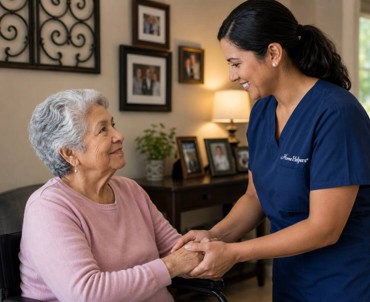
When your loved one needs more help with daily routines, finding dependable in-home assistance can give your family greater confidence. We help families in Stockton balance safety, independence, and peace of mind while supporting loved ones who want to remain comfortable at home in Stockton.
Our caregivers are carefully screened, trained, and insured, helping families feel confident about the people entering their loved one’s home. Home Helpers Home Care of Modesto provides personalized support throughout Stockton while coordinating care from 2937 Veneman Ave B100 Modesto CA, 95356. We focus on dignity, family communication, and adaptable care plans, making it easier to discuss what your loved one needs and determine a comfortable next step.
What Families in Stockton Face When Care Needs Change
Daily Care Decisions Across a Connected Central Valley Community
Stockton families often coordinate support across areas near the Miracle Mile, Pacific Avenue, and the University of the Pacific, where maintaining familiar routines can remain important as needs change. Major routes including Interstate 5 and State Route 99 also shape how relatives coordinate visits and responsibilities across Stockton. Home Helpers Home Care of Modesto helps families consider whether remaining at home still provides an appropriate level of support.
Increasing Supervision Needs: Frequent wandering, unsafe decisions, repeated falls, or an inability to remain alone safely can signal that a loved one may require supervision beyond the current in-home arrangement.
Complex Medical Needs: When health needs require continuous skilled nursing, intensive clinical monitoring, or medical interventions outside a non-medical caregiver’s role, families should discuss other care settings with appropriate healthcare professionals.
Overnight Safety Concerns: Persistent nighttime confusion, repeated attempts to leave the home, or recurring emergencies may indicate that the existing care schedule no longer provides sufficient supervision.
Caregiver Coverage Limits: When the hours of assistance needed consistently exceed what relatives and scheduled caregivers can reasonably provide, families may need to compare expanded care schedules with residential alternatives.
Changing Functional Ability: A significant decline in mobility, cognition, or ability to complete essential activities can justify reassessing whether the home environment remains suitable for the person’s evolving needs.
In-Home Care Services in Stockton, CA
We provide supportive services that help your loved one maintain routines, dignity, and independence in Stockton. Our approach to at-home caregiving support gives families practical options based on individual needs, preferences, and schedules.
Home And Community Support Services
Our community connection support helps loved ones stay involved in everyday life beyond the home. In Stockton, caregivers can provide practical assistance that makes appointments, errands, communication, and meaningful activities easier to manage while encouraging continued independence.
Appointment, Errand, and Outing Assistance
We accompany loved ones to appointments, errands, and outings, providing a reassuring presence while helping them remain engaged with important activities and routines.
Transportation and Community Navigation
Caregivers can assist with transportation needs and navigating community settings, helping loved ones move through planned activities with added support and confidence.
Communication Technology Assistance
We can help with phones, tablets, and other communication tools so loved ones can maintain meaningful contact with relatives, friends, and community groups.
Hobbies, Events, and Social Activities
Caregivers encourage participation in hobbies, events, and social activities that support engagement, familiar interests, and meaningful connections beyond everyday household routines.
Home Care For Emotional Support
Our compassionate emotional support provides a steady presence during aging, recovery, isolation, or other life transitions. Families in Stockton can use this service when a loved one benefits from attentive companionship and reassuring interaction alongside practical daily support.
Meaningful Conversation and Active Listening
Caregivers engage in thoughtful conversations and active listening, giving loved ones opportunities to share feelings, experiences, concerns, and everyday moments with someone attentive.
Shared Daily Moments and Simple Routines
We participate in familiar everyday routines and shared moments that can provide structure, comfort, and a reassuring sense of connection throughout the day.
Emotional Reassurance During Difficult Times
A calm caregiver presence can offer reassurance during challenging periods, helping loved ones experience greater emotional stability while continuing familiar routines at home.
Consistent Caregiver Presence
Reliable caregiver interaction can help build familiarity and trust over time, giving loved ones a more comfortable and predictable experience with ongoing support.
Meal Preparation Services
Our meal planning assistance supports nutrition, hydration, and enjoyable mealtimes at home. For families in Stockton, caregivers can assist with practical food-related routines while respecting individual tastes, dietary needs, and a loved one’s desire to remain involved in everyday choices.
Personalized Meal Preparation
We help prepare meals around individual tastes and preferences, making regular nourishment easier to maintain while keeping the person’s comfort and enjoyment in mind.
Nutrition and Hydration Guidance
Caregivers provide everyday encouragement around balanced nutrition and hydration, supporting routines that contribute to energy, strength, and overall well-being.
Grocery Shopping and Meal Setup
We can assist with grocery shopping and meal setup, reducing practical barriers that can make consistent, nourishing meals more difficult to manage independently.
Caregiver Meal Preparation
Friendly assistance during meal preparation can help loved ones participate according to their abilities while preserving dignity, independence, and enjoyment around mealtimes.
At Home Personal Care
Our daily personal assistance supports essential routines while respecting privacy, preferences, and independence. In Stockton, this care can help when changes in strength, balance, or mobility make personal activities more challenging to complete safely without assistance.
Bathing, Dressing, and Grooming Assistance
Caregivers provide respectful help with bathing, dressing, and grooming while allowing loved ones to participate as much as their abilities and preferences permit.
Mobility, Transfers, and Fall Prevention
We assist with mobility and transfers while emphasizing safer movement, balance awareness, and practical support that can reduce risks during everyday activities.
Morning and Evening Preparation
Caregivers can support wake-up and evening routines, helping loved ones move through important personal tasks at a comfortable, unhurried pace.
Daily Living Task Assistance
We provide light assistance with activities related to daily living, helping loved ones remain involved in their routines instead of unnecessarily taking over tasks.
In-Home Supportive Services
Our specialized supportive care adapts to individuals whose circumstances require more tailored non-medical assistance. Care plans can address chronic conditions, recovery, cognitive changes, respite needs, or transitions while giving relatives consistent communication and greater peace of mind.
Cognitive and Developmental Support
Specialized services include Alzheimer’s and dementia care as well as support for individuals with developmental and intellectual differences. Caregivers adapt routines and interactions to individual abilities, preferences, and changing needs.
Condition and Recovery Support
Parkinson’s care, support for stroke recovery, and transitional care address circumstances that can change how someone manages everyday routines. Assistance focuses on comfort, consistency, safety, and preserving appropriate independence.
Family Relief and Advanced Support
Respite care, senior care, and end-of-life care provide adaptable assistance when families need relief or a loved one’s circumstances require additional support. Caregivers work respectfully within established routines while helping families maintain a stable home environment.
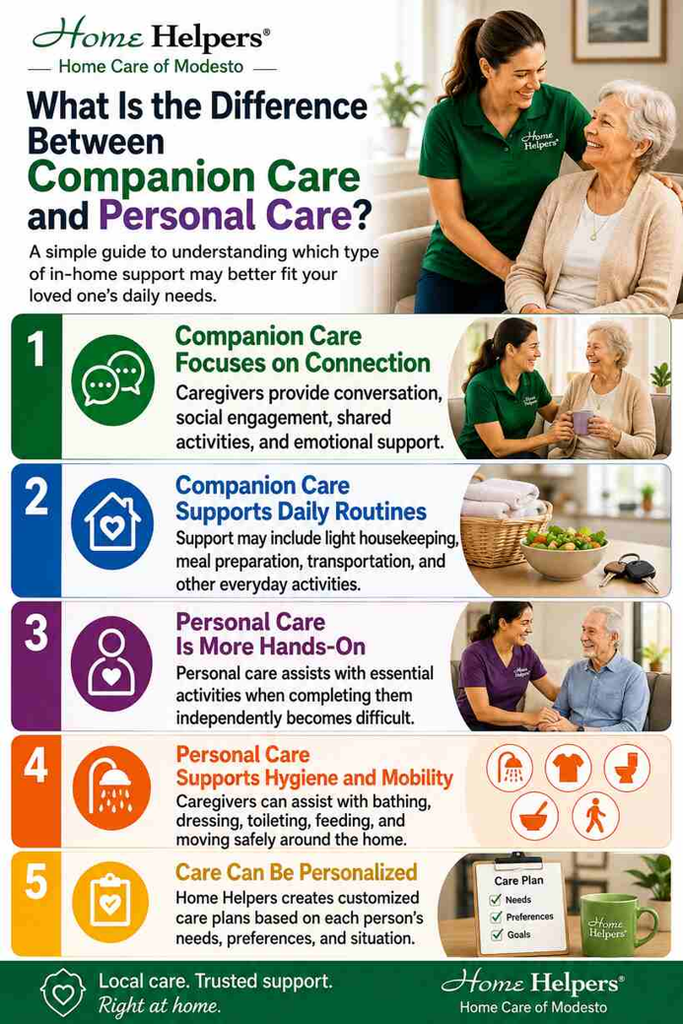
Why Choose Home Helpers Home Care of Modesto in Stockton
We understand how personal the decision to invite a caregiver into your loved one’s home can feel. Our team supports Stockton families with screened caregivers, personalized planning, and consistent communication designed to promote dignity, safety, and peace of mind throughout Stockton.
Our Promise to Stockton Families
Carefully Screened Caregivers: Our caregivers are carefully screened, trained, and insured, giving families added confidence when choosing someone to assist a loved one with personal routines and everyday activities.
Personalized Care Planning: We tailor care plans around individual needs, preferences, and schedules, allowing support to adapt whether a loved one needs limited assistance or more extensive ongoing care.
Flexible, Connected Support: Our approach combines practical assistance with communication and meaningful engagement, helping loved ones remain involved in daily decisions while families stay better informed about changing care needs.
What Stockton Families Are Saying About Our Care
One family in Stockton shared how dependable caregiver support made it possible to step away for short periods while knowing a loved one remained in caring hands.
The reviewer explained that caregivers had supported a brother on two separate occasions, including during a vacation and another period when family responsibilities required time away. The experience stood out because the caregivers were attentive and dependable, and the reviewer emphasized that “they take very good care of my brother.” Just as importantly, the brother appeared comfortable with the caregivers and developed a positive connection with them.
That experience reflects something families often value deeply in caregiving: the ability to leave home without spending the entire time worrying. Knowing that a familiar loved one is comfortable, respected, and receiving attentive support can make necessary travel or personal responsibilities easier to manage.
For families weighing occasional assistance or recurring support, this kind of relationship demonstrates the value of dependable caregivers who treat each person with patience, dignity, and genuine consideration.
Frequently Asked Questions
How do families get started with care in Stockton?
Getting started usually begins with a conversation about your loved one’s routines, abilities, preferences, safety concerns, and the areas where assistance would be most helpful. From there, we can help identify an appropriate schedule and determine which types of non-medical support fit those needs. Families may want assistance for only certain routines or may need broader support across the week. Reviewing the available in-home support options can help you understand how companionship, personal assistance, nutrition support, wellness-focused care, and specialized services may fit together. Care planning should remain flexible because needs can change. A thoughtful assessment also gives family members an opportunity to discuss expectations, communication preferences, scheduling concerns, and the loved one’s priorities before regular visits begin.
How can caregivers help loved ones stay connected in Stockton?
Caregivers can make it easier for a loved one to maintain relationships, participate in familiar activities, and manage practical tasks outside the home. Depending on individual needs, community connection assistance may include accompaniment to appointments, errands, and outings, transportation support, help navigating community settings, assistance using communication technology, or encouragement to participate in hobbies and social activities. These services can be especially useful when mobility changes, transportation challenges, or reduced confidence begin limiting participation. The goal is not simply to complete errands for someone. Instead, caregivers can support continued involvement in everyday life while respecting personal preferences and encouraging appropriate independence. Families can discuss which activities matter most and build those priorities into the care plan.
What does personal care include for families in Stockton?
Personal care can support everyday activities that become harder because of changes in mobility, strength, balance, or physical ability. Depending on the care plan, a caregiver may assist with bathing, dressing, grooming, mobility, transfers, morning or evening preparation, and other tasks related to daily living. Our approach to personal care assistance emphasizes dignity and involvement rather than automatically taking over routines a loved one can still perform. Appropriate assistance can make personal routines feel safer and more manageable while helping preserve confidence. Families should discuss specific limitations, preferences, and safety concerns during care planning so caregivers understand how much assistance is appropriate. As abilities change, the level of support can also be reassessed to better reflect current needs.
When might specialized in-home support be appropriate in Stockton?
Specialized support may be appropriate when a loved one’s condition, recovery, cognitive abilities, or changing functional needs require a more individualized approach to everyday assistance. Available specialized caregiving services include Alzheimer’s and dementia care, developmental and intellectual differences care, Parkinson’s care, respite care, senior care, stroke recovery support, transitional care, and end-of-life support. The appropriate service depends on the person’s circumstances and what family members can reasonably manage themselves. Caregivers can provide a consistent presence, help with established routines, and adapt non-medical assistance as needs evolve. Families should also remain in communication with relevant healthcare professionals when a condition involves clinical needs, medical monitoring, or treatment decisions that fall outside a non-medical caregiver’s responsibilities.
How can end-of-life support help a family in Stockton?
End-of-life support can provide compassionate non-medical assistance during a deeply personal stage of care. A caregiver may help with comfort-focused daily routines, personal assistance, companionship, and practical needs while family members spend meaningful time with their loved one. This support can also provide respite when relatives need rest or help balancing other responsibilities. Families exploring end-of-life care support should discuss how caregiver services fit alongside hospice, medical providers, or other clinical professionals involved in the person’s care. Non-medical caregivers do not replace skilled clinical services, but they can contribute to a calmer, more supported home environment. Clear communication among relatives, caregivers, and healthcare professionals helps everyone understand roles, preferences, and the loved one’s comfort priorities.
In-Home Care in Stockton, CA Your Family Can Count On

When your loved one needs additional support, Home Helpers Home Care of Modesto can help your family consider a care plan built around dignity, independence, safety, and familiar routines. We support Stockton families who want compassionate assistance that adapts to individual needs while preserving meaningful involvement in daily life. Although our coordinating address is 2937 Veneman Ave B100 Modesto CA, 95356, our care brings personalized assistance to loved ones at home in Stockton. Whether your family is planning ahead or responding to changing needs, we make it easier to discuss dependable options and arrange supportive care throughout Stockton with confidence and peace of mind.