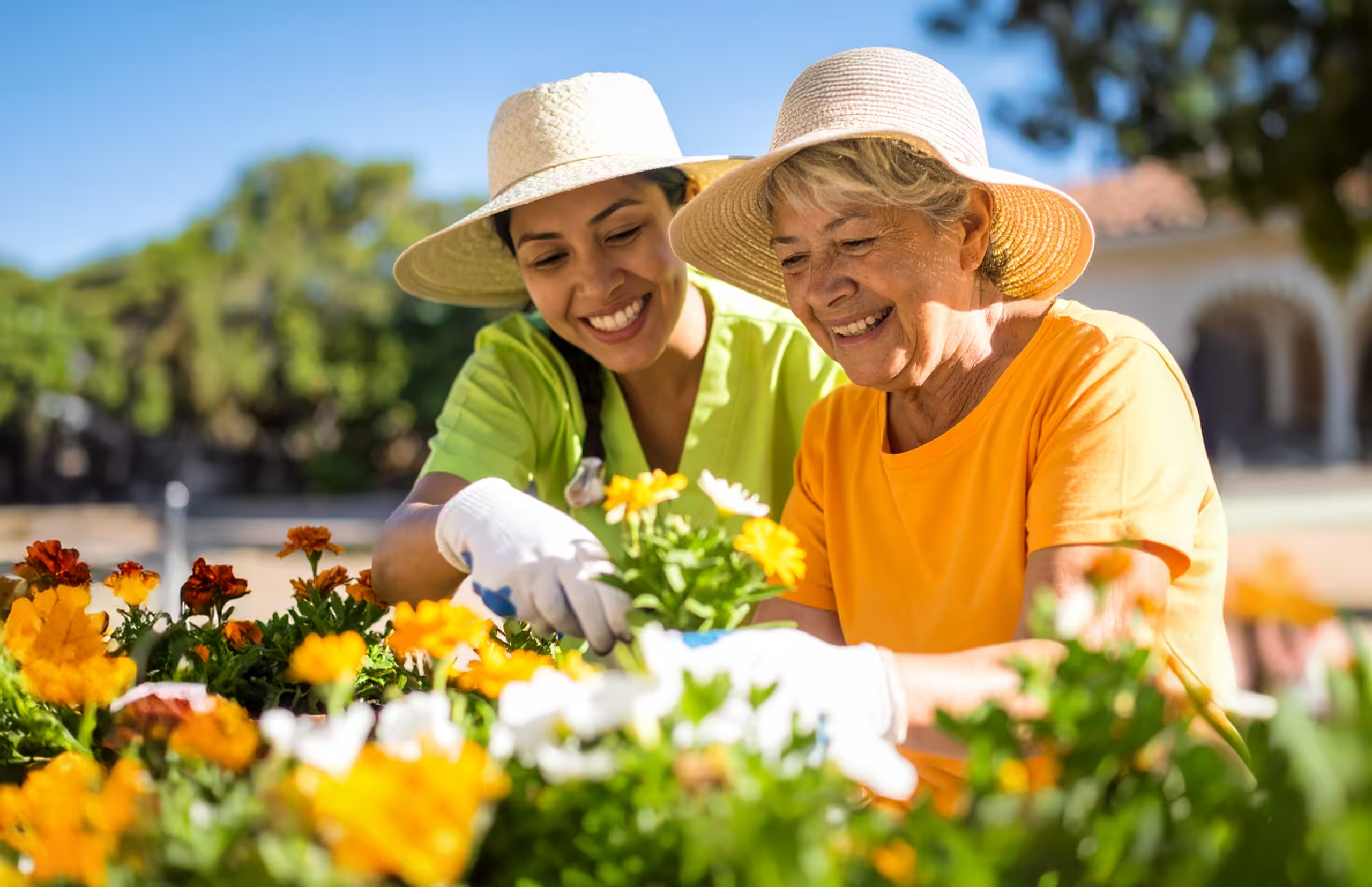
Caring for Seniors Living with Parkinson’s Disease
Parkinson’s disease affects so many different areas of the patient’s life. For family caregivers, understanding more about the condition helps them to be there for the seniors they love who struggle with Parkinson’s disease. Home care providers can offer families the support they need while they adapt to the changes Parkinson’s brings.
Learn More About Parkinson’s Disease
Parkinson’s disease affects movement, but it also causes cognitive changes, sleep issues, and mood shifts, among other problems. The more that families learn and understand about how Parkinson’s progresses, the better prepared they can be for the future. Medical providers and support groups can be excellent sources of information.
Make Independence Possible
Seniors with Parkinson’s disease can often do more than many people expect them to be able to do. Preserving independence is an important way for seniors with Parkinson’s disease to maintain their self-esteem and positive mental health. Elder care providers can offer assistance just when seniors truly want and need that help, instead of taking over tasks in general. Having that help available ensures that seniors have the energy they need to keep doing the things they’re still able to do.
Prioritize Fall Prevention
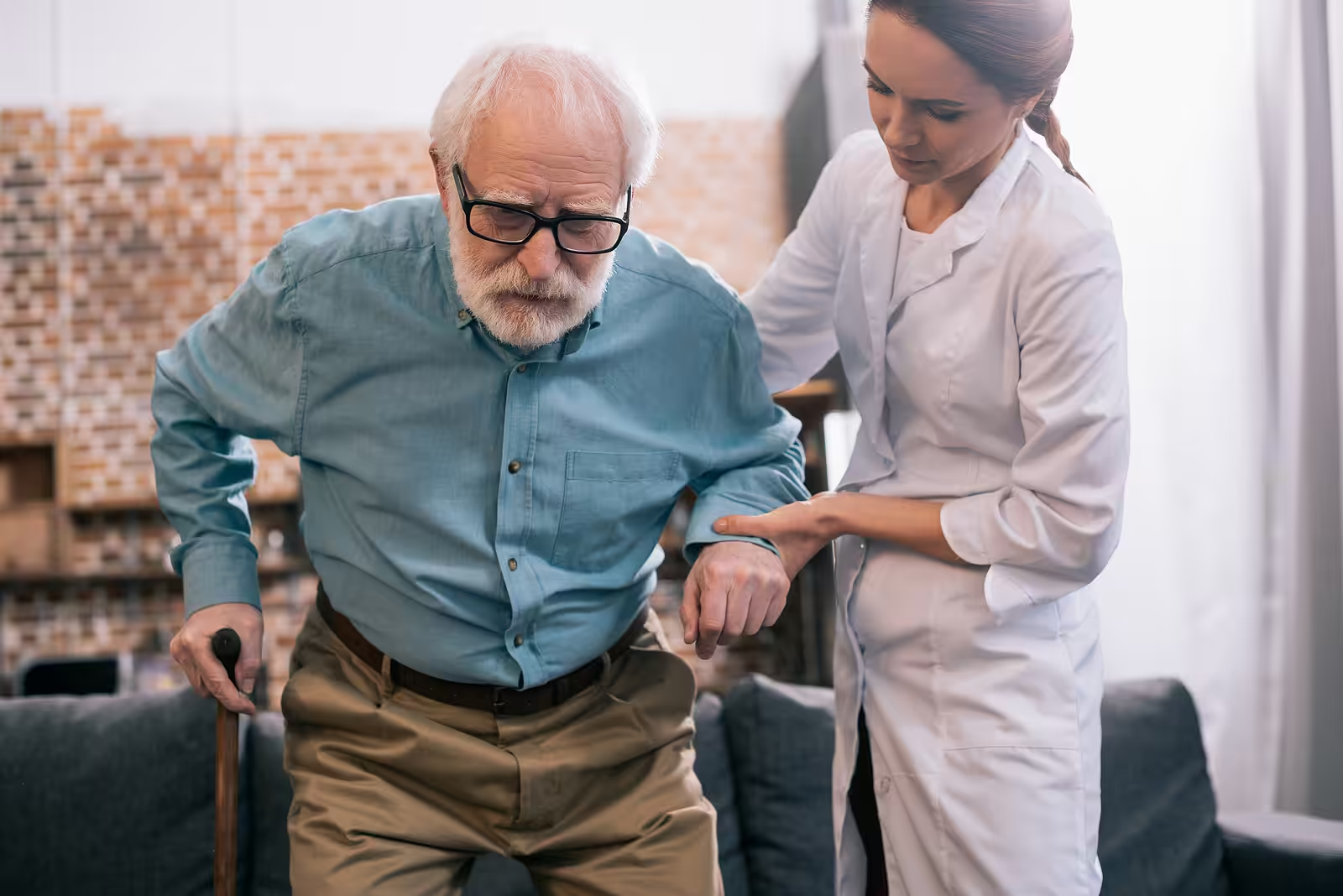
People with Parkinson’s disease are more prone to falling, so families need to have a fall prevention plan in place quickly. Home care providers can help family caregivers learn about fall hazards and put solutions to work. As Parkinson’s disease progresses, seniors may need additional layers in their fall prevention plans. Home care assistance can help to make sure that plans keep up with needs.
Make Space for Changes Seniors Can’t Help
Communication changes with Parkinson’s disease. Other things change, too, and seniors who are living with Parkinson’s disease aren’t in control of those changes. With more information and assistance, it’s easier to adapt activities and daily routines. Seniors might talk slower, for instance, so rushing conversations makes the problem more difficult. Leaving plenty of time to allow seniors to communicate well or to engage in activities at their own speed helps them to feel understood.
Build a Strong Support Network
Family caregivers and seniors need a strong support network to help them adjust to life with Parkinson’s disease. Home care providers offer a strong basis for a support network. Professional caregivers understand the types of assistance that families need while managing life with Parkinson’s disease. They can also offer respite care, ensuring that family caregivers can take time to go to support group meetings and tend to their own self-care needs. Seniors who have access to home care assistance don’t have to worry about not having help when family members can’t be there.
Life with Parkinson’s disease is a big change, but it doesn’t have to feel insurmountable to patients and family members. Home care providers can offer practical support that families can lean on when they need it most. They can also help families find resources to offer other types of assistance as they need to learn more and keep being there for their family members.
If you or an aging loved one is considering home care in Santa Clara, CA, please contact the caring staff at Home Helpers today (408) 317-4969.
The Most Comprehensive Care In The Industry

Physical Wellness
We make daily life easier as needs change, with support for personal care, mobility, medication reminders, and recovery after a hospital stay.
Learn More
Mental Well-Being
Staying active and connected matters. Our caregivers provide companionship and meaningful engagement to support emotional health and independence.
Learn More
Nutrition & Hydration
Healthy meals and proper hydration are essential. We help with planning, shopping, and preparation to support daily wellness and energy.
Learn More
Active Connections
Strong relationships bring comfort and purpose. We help seniors stay connected through social engagement, technology, and regular check-ins.
Learn More