
Home Care After Hospital Discharge: What to Expect
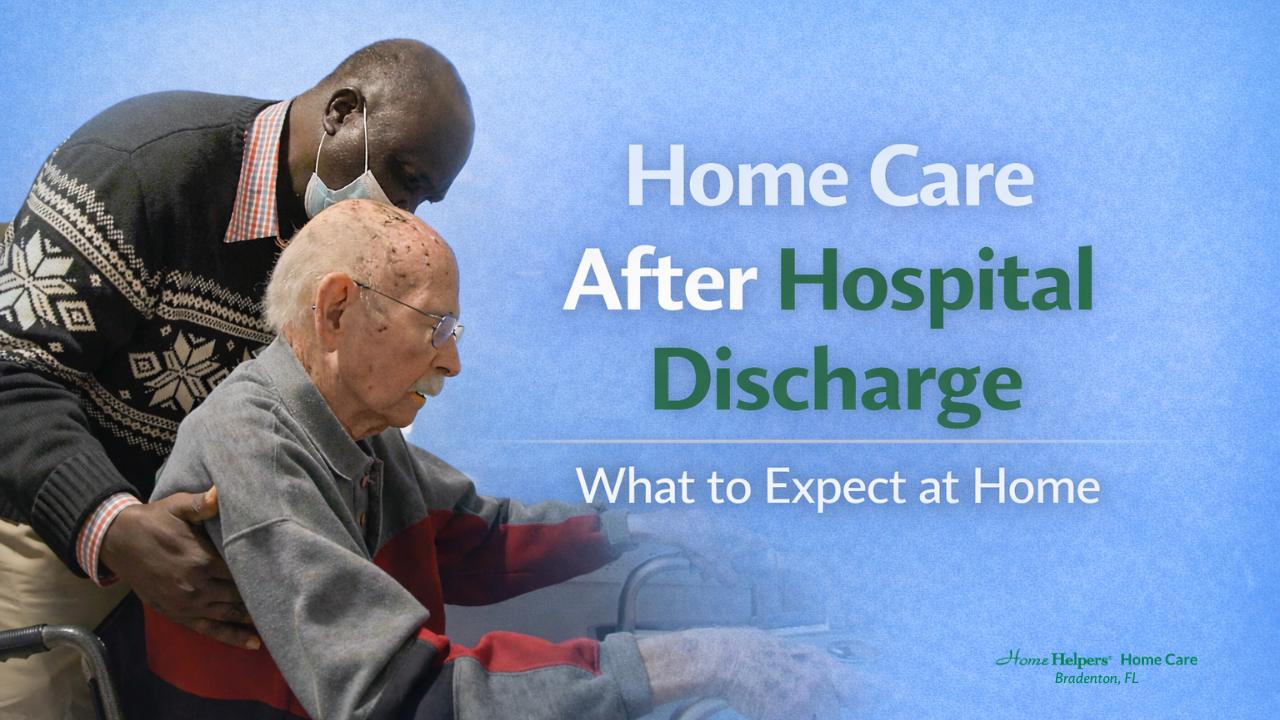
Author: Home Helpers® Home Care
When a loved one is discharged from the hospital, many families feel relieved, and then quickly overwhelmed.
You may hear, “They’re cleared to go home,” but still find yourself asking:
What happens next?
How do we manage this safely at home?
What if something goes wrong after leaving the hospital?
This moment, leaving the hospital and returning home, is often one of the most vulnerable stages of recovery. This guide explains what families should realistically expect after discharge, the common challenges that arise at home, and how post-hospital home care can support a safer, smoother transition.
Why Hospital Discharge Is a Vulnerable Moment
Hospitals are designed for acute medical treatment, not long-term recovery or daily support.
Once your loved one returns home, responsibility often shifts suddenly to family members, even if you’ve never acted as a caregiver before. At discharge, families are typically asked to manage multiple changes at once, often with limited preparation.
- New medications or medication changes
- Limited mobility or weakness
- Fatigue or confusion
- Follow-up appointments and instructions
- Anxiety about doing something “wrong.”
Without proper support and discharge care at home, small gaps in daily support can quickly turn into setbacks that send someone back to the hospital.
Common Challenges Families Face After Returning Home
Every recovery looks different, but many families encounter similar issues in the days and weeks after discharge.
Mobility and Safety Concerns
Your loved one may have difficulty:
- Getting in and out of bed
- Walking safely
- Using stairs or the bathroom
Fall risk is often highest immediately after returning home.
Medication Management
Discharge instructions can include:
- New prescriptions
- Changed dosages
- Medications that must be taken at specific times
Missed or incorrect doses are a common cause of complications.
Fatigue and Limited Stamina
Even simple daily tasks can feel exhausting after a hospital stay. Pushing too hard, too fast, can slow recovery.
Caregiver Overload
Adult children often try to “do it all” while balancing work, family, and travel. Often, without support, this can lead to burnout before recovery is complete. A coordinated care team helps reduce this pressure and supports more successful transitions from hospital to home.
How In-Home Care Supports Recovery After Discharge
In-home care does not replace medical providers. Instead, it provides non-medical home care services that focus on daily living, safety, and consistency during recovery.
Through Discharge Care, professional caregivers and trained caregivers support families by helping with the everyday needs that often get overlooked after discharge.
Care includes:
- Safe mobility and transfer assistance
- Medication reminders (not medical administration) and routine support
- Meal preparation and hydration support
- Transportation to follow-up appointments
- Companionship and supervision
- Observing changes and communicating concerns to family
This personalized care helps reduce stress for families while allowing loved ones to recover safely in the comfort of their home.
For families needing broader assistance beyond discharge, Senior Care services can adapt as needs change during recovery.

When Family Support May Not Be Enough
It’s common for families to underestimate how demanding post-hospital care can be.
You may want additional help if you notice:
- Increasing fatigue or confusion
- Frequent near-falls or safety scares
- Missed medications or appointments
- Rising stress or exhaustion among family caregivers
Getting help early is not a failure; it’s a way to protect recovery and prevent setbacks.
For some situations, Companion Care can also provide added supervision and reassurance while families regain balance.
Planning Makes a Real Difference
The best time to plan for home care services is before your loved one comes home, not after a problem arises.
Even short-term, non-medical in-home support during recovery can:
- Improve safety at home
- Reduce hospital readmissions
- Support smoother daily routines
- Give families peace of mind
Early planning leads to more successful transitions and fewer surprises during recovery.
You Don’t Have to Manage This Alone
Hospital discharge can feel rushed, confusing, and stressful, especially when the responsibility shifts so suddenly to family.
You don’t have to figure this out by yourself.
Schedule a free care consultation before your loved one comes home.
A conversation with the Home Helpers Home Care of Bradenton team can help you understand what support may help your family navigate recovery with confidence.