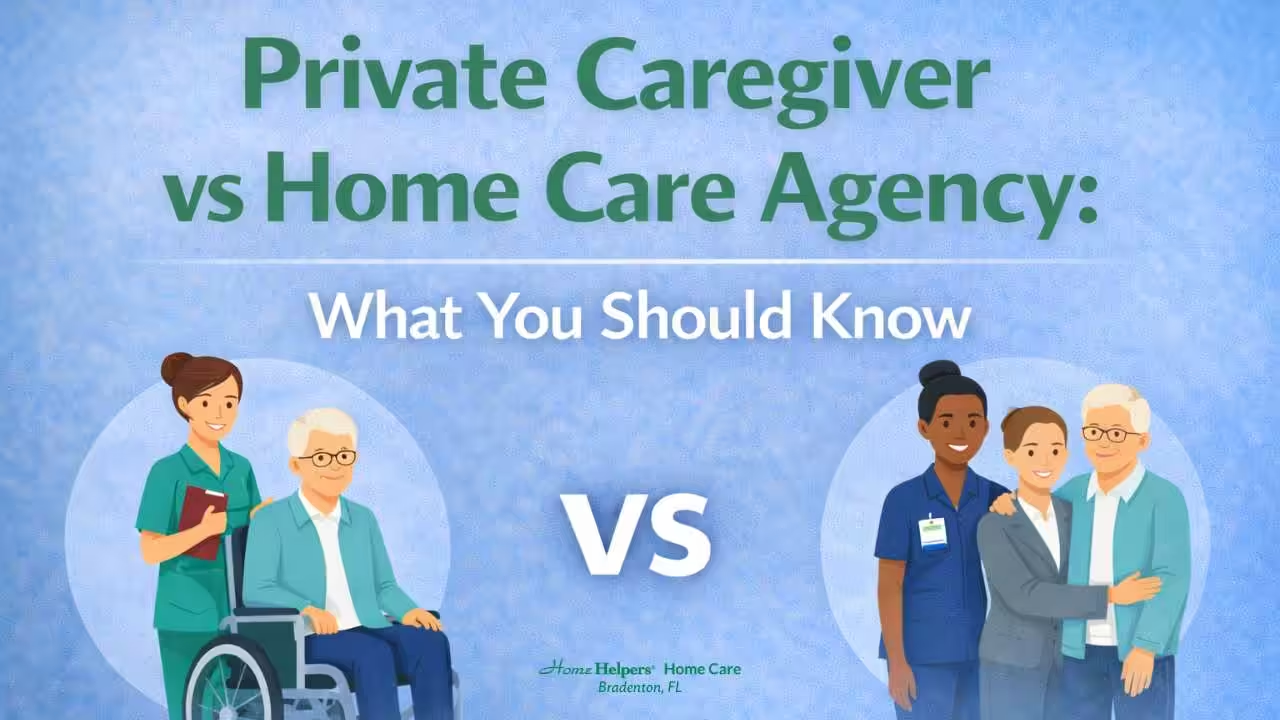
Private Caregiver vs Home Care Agency: What You Should Know
When families begin exploring in-home care, cost is often the first concern, and one of the most confusing. Many adult children quietly wonder whether hiring a private caregiver might save money compared to using a home care agency. Others want more control over who comes into the home, especially when care feels personal and sensitive, such as assistance with personal care.
The question comes up frequently because families are trying to balance affordability, safety, and reliability at the same time. The reality is that private caregiver vs home care agency decisions are rarely about one factor alone. Each option carries different responsibilities, risks, and levels of support that can affect both cost and peace of mind over the course of long term care.
This guide explains what families should understand when comparing a home care agency vs private caregiver, how each option works in real-life situations, and how to decide which senior care option fits your family’s needs without regret.
- Scheduling and time tracking
- Payment and management of payroll arrangements
- Handling payroll tax obligations
- Backup coverage if the caregiver is unavailable
Some families appreciate the direct relationship and flexibility this arrangement can offer. Private caregiving can work well in situations where care needs are limited, schedules are predictable, and the family has the time and capacity to manage ongoing coordination.
It’s important for families to recognize that when hiring privately, they are effectively managing the care arrangement themselves, including compliance, documentation, and insurance considerations.
Some families explore caregiver registries as a way to hire independent caregivers while still receiving some level of administrative support. Understanding how registries work and how they differ from both private hires and agency-based care can help families make more informed decisions.
For a clearer breakdown, the guide’ Home Care Agency vs. Registry: What Families Should Know‘ explains how responsibilities, oversight, and coordination differ across care models.
What a Home Care Agency Provides
A home care agency functions as the employer and coordinator of care. Agencies recruit, screen, train, and supervise caregivers, and handle the administrative responsibilities involved in care delivery. Agency-supported care typically includes:
- Background checks and credential verification
- Ongoing training and oversight
- Backup caregivers if someone is unavailable
- Scheduling coordination and continuity
- Employer responsibilities, such as insurance and payroll
In many cases, agencies offer built-in protections such as liability insurance, which can reduce risk for families when care is provided in the home.
For many families, agency care reduces the amount of day-to-day management required. This can be especially helpful when care needs are ongoing, schedules change, or family members live at a distance.
Families exploring structured support often review available senior care services to understand how agency caregivers are designed to function over time.
Safety Considerations Families Should Understand
Safety is one of the most important parts of comparing private caregiver vs home care agency options.
With a private hire, safety planning depends heavily on the family’s ability to vet, monitor, and manage care consistently. With an agency, safety protocols are built into how care is delivered, including screening processes, supervision, and ongoing performance oversight.
Continuity of care also plays a role. When care depends on a single individual, missed shifts or sudden unavailability can leave families scrambling. Agencies typically provide backup caregivers to prevent gaps, which can be critical for seniors who rely on consistent routines, especially for long-term care needs.
Hidden Costs Families Don’t Always Anticipate
Cost comparisons often focus on hourly pay alone. However, families may encounter indirect costs depending on how care is structured.
For private caregiving arrangements, unexpected gaps can occur if a caregiver becomes ill, takes time off, or leaves unexpectedly. Families may also experience burnout if they are coordinating care, schedules, and management payroll responsibilities on top of work and personal obligations. With agency care, costs are often more predictable because coordination, coverage, insurance, and payroll tax requirements are handled centrally. While agency care may appear higher on paper, it can reduce stress-related costs that aren’t always obvious at the beginning.
Which Option Fits Which Situation
There is no single “right” choice for every family.
Private caregiving may work well when:
- Care needs are limited or part-time
- The family can manage scheduling and oversight
- There is flexibility to handle changes.
Agency-supported care may be safer when:
- Care is ongoing or full-time
- Backup coverage is essential
- Family members are managing care from a distance
- Liability and compliance concerns matter
Understanding your family’s capacity to manage care is just as important as understanding the care itself.
How to Decide Without Regret
The best decisions are usually made with clear expectations rather than assumptions.
Families benefit from asking specific questions about responsibilities, coverage, insurance, and long-term needs before choosing between senior care options. Many families start by reviewing what to ask a home care agency so they can compare support levels realistically.
Planning ahead, rather than deciding during a crisis, gives families more options and more confidence in the care they choose.
Moving Forward With Confidence
Choosing between a private caregiver and a home care agency is a personal decision shaped by care needs, family involvement, and comfort with responsibility. If you’re weighing these options, learning how different care models work in practice can help reduce uncertainty and prevent surprises later
How to Find In-Home Care Support Near You
If, after reviewing your options, you decide that working with a home care agency is the right fit for your family, the next step is understanding what support is available locally.
A reputable in-home care agency can help match care needs with trained caregivers, coordinate schedules, and provide ongoing oversight, especially when care is needed consistently or over time. For families who want support close to home, exploring local service areas can make the process feel more manageable and personal.
You can learn more about in-home care services available in your community by visiting Home Helpers Home Care – Communities We Serve to see how local support options may align with your family’s needs.
The Most Comprehensive Care In The Industry

Physical Wellness
We make daily life easier as needs change, with support for personal care, mobility, medication reminders, and recovery after a hospital stay.
Learn More
Mental Well-Being
Staying active and connected matters. Our caregivers provide companionship and meaningful engagement to support emotional health and independence.
Learn More
Nutrition & Hydration
Healthy meals and proper hydration are essential. We help with planning, shopping, and preparation to support daily wellness and energy.
Learn More
Active Connections
Strong relationships bring comfort and purpose. We help seniors stay connected through social engagement, technology, and regular check-ins.
Learn More