
7 Signs Your Loved One Needs Home Care for Personal Needs
Author: Jonathan Marsh
As our loved ones age, it’s natural to want to help them remain as independent as possible at home. But sometimes, the signs that they need more support can be subtle, and it’s not always easy to know when to step in.
Home care for personal needs offers compassionate assistance with everyday tasks that may become difficult due to aging, illness, or mobility challenges. From bathing and dressing to medication management and meal preparation, personal care services help older adults maintain their dignity while continuing to live safely at home.
Recognizing the signs a loved one needs help early can prevent accidents, reduce stress on family members, and promote long-term wellness. If you’re unsure whether it’s time to seek in-home care assistance, this guide will walk you through seven signs to watch for.
1. Struggling With Daily Hygiene and Grooming
Have you noticed that your loved one is wearing the same clothes for days or avoiding showers altogether? Maybe their hair is uncombed, or they seem less concerned about personal hygiene.
These could be signs that they need bathing and hygiene help, which is a key part of personal care services. Caregivers can assist with tasks like bathing, brushing teeth, dressing, and grooming—all while respecting privacy and personal preferences. In some cases, a shower chair and grab bars can make bathing safer and more comfortable.
2. Mobility Is Becoming a Challenge
If your loved one is starting to use furniture or walls for balance, hesitates when climbing stairs, or has difficulty standing up from a chair or bed, mobility may be a concern.
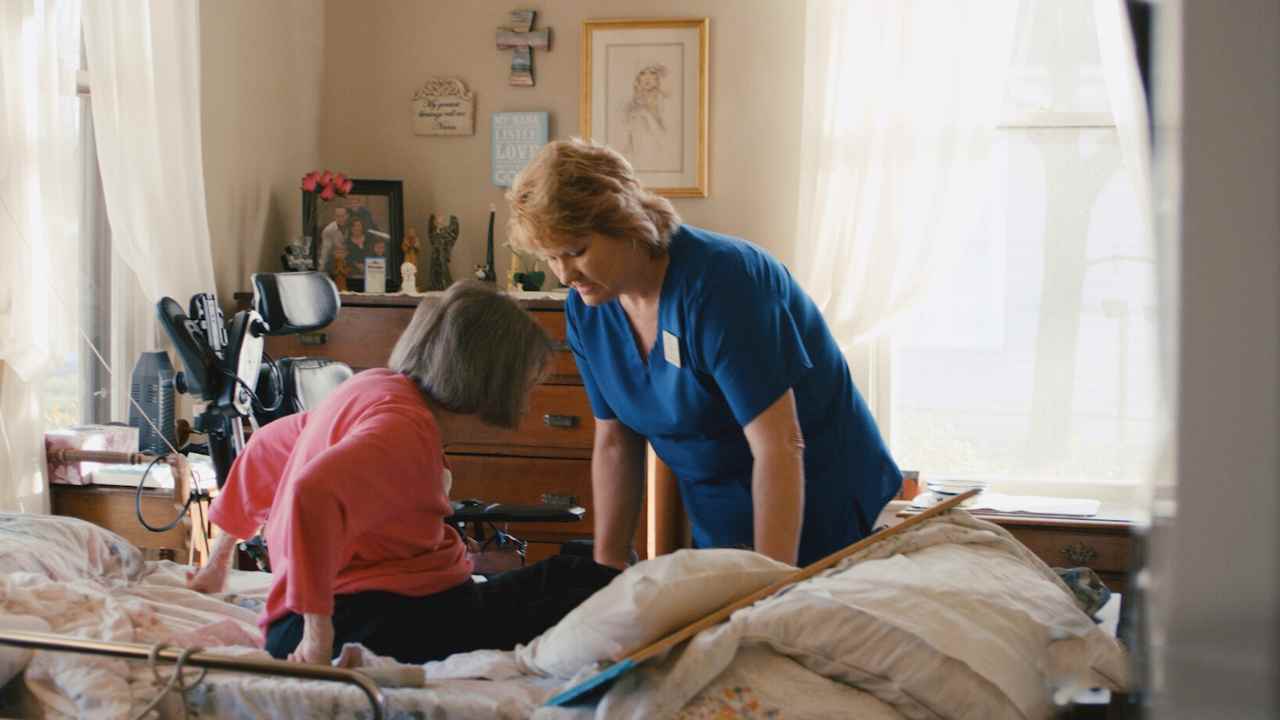
Mobility assistance at home can help prevent falls and improve confidence. Caregivers trained to assist with personal care tasks, such as walking, transferring, and positioning, can ensure safety and comfort with every step. Simple tools like mobility aids (walkers, canes, or grab bars) can also reduce the chance of falling and boost stability.
3. Unexplained Weight Loss or Poor Nutrition Habits
Skipped meals, empty refrigerators, and expired food are all warning signs. Your loved one may forget to eat, be unable to prepare meals, or lack the energy to cook nutritious food.
This is where daily living support comes in. Through in-home care assistance, caregivers can offer meal preparation and encourage hydration. Eating well helps maintain strength, manage medical conditions, and support overall health.
4. Increasing Dependence on Family Members
Are you or another family caregiver being called more often for help? Is it becoming overwhelming to manage your loved one’s daily needs?
Needing more support is natural, but it can take a toll. Bringing in a professional home health aide can ease that burden. It’s a positive step that provides peace of mind and balanced support for family caregivers, while preserving the elder’s senior independence.
5. Missed Appointments or Medications
If your loved one is forgetting doctor visits, skipping medications, or getting confused about schedules, these may be signs of memory or cognitive challenges. You may also want to pay special attention to how they talk about their health or if they seem unsure about their routine.
Through senior care at home, caregivers can offer medication management, organize schedules, and help keep health routines on track. This kind of daily living support is vital to preventing complications and managing chronic health issues like heart disease or diabetes.
6. Emotional or Mental Health Changes
Has your loved one become withdrawn, sad, or anxious? Are they no longer interested in activities they used to enjoy?
Emotional changes often indicate that a person is feeling isolated or overwhelmed. Professional senior home care in Bradenton includes companionship and social interaction, which can boost mood, reduce stress, and promote cognitive health.
Knowing when to get help for elderly parents isn’t always easy, but emotional wellness is just as important as physical care.
7. Household Tasks Are Being Ignored
A growing pile of dishes, dusty surfaces, or piles of laundry may be more than just forgetfulness; they could signal a loss of energy, motivation, or physical ability.
Help with personal care tasks also includes assistance with light housekeeping. Through personal care services, caregivers can ensure the home remains clean, safe, and livable, helping seniors age in place with dignity. For many older adults, maintaining their environment supports both their confidence and quality of life.
When to Consider Home Care for Personal Needs
If you’re starting to notice any of these signs, it may be time to explore home care for personal needs. Early action can prevent accidents, improve health outcomes, and allow seniors to live independently for longer.
Understanding when to get help for elderly parents is an act of love, not failure. With the right care plan, your loved one can enjoy a better quality of life in the home they cherish.
Conclusion
Getting help doesn’t mean giving up independence; it means enhancing it. At Home Helpers Home Care of Bradenton, our trained caregivers specialize in home care for personal needs, providing personalized support that respects your loved one’s preferences, routines, and privacy.
Whether it’s mobility assistance at home, bathing and hygiene help, or help with managing long-term care, we’re here to help families find the right balance between care and independence.
Contact us today to schedule a free in-home consultation and learn more about our senior home care Bradenton services. We're here to help your family thrive, one day, one step, and one act of care at a time.