
What Does Senior Care at Home Include?
Need Home Care?
Contact Us Today
"*" indicates required fields

Families rarely begin by searching for care right away. It often starts with small changes that feel manageable at first. Meals are skipped. The home feels less organized. Appointments are forgotten. Nothing seems urgent, but routines are no longer consistent.
At that point, many families begin asking a clearer question: what does senior care at home include, and what kind of support actually makes a difference day to day?
In-home senior care supports older adults in their own homes through non-medical assistance. These senior home care services are designed to provide consistent support, structure, and reliability in daily routines. The focus is on maintaining routine, improving safety, and providing consistent support. While services vary, most care plans are built around daily assistance, structured routines, and ongoing observation.
Personal Care and Daily Living Assistance
One of the first areas families notice changes in is personal care. Tasks like bathing or dressing may still be completed, but they take longer or begin to feel more difficult.
Caregivers assist with bathing, grooming, toileting, mobility, and getting in and out of bed. These are commonly referred to as activities of daily living, and caregivers are trained to assist with daily routines while maintaining independence.
Small changes in these routines often connect. Difficulty with mobility may lead to skipped hygiene or longer periods of inactivity. Supporting these areas helps maintain both health and consistency.
Companion Care and Social Support
Care is not limited to physical tasks. Daily structure plays an important role in overall well-being.
Without consistent interaction, routines can shift. Meals become irregular, sleep patterns change, and daily activities decrease. Over time, this affects both mental and physical health.
Companion care helps restore that structure through regular check-ins, conversation, shared meals, and simple activities. This consistent social interaction supports emotional stability and provides meaningful emotional support throughout the day.

Meal Preparation and Nutrition Support
Nutrition often declines gradually. It becomes less convenient to prepare meals or easier to skip them altogether.
Caregivers support meal preparation, grocery planning, and hydration. They also observe changes in appetite or eating habits, which can signal early concerns.
Consistent nutrition supports energy, recovery, and overall stability. Often, the value lies not just in preparing meals, but in ensuring they are eaten regularly. These services are often part of what home care services include, ensuring that nutrition remains consistent and manageable.

Medication Reminders and Routine Monitoring
Managing medications can become complex, especially when schedules vary throughout the day.
Caregivers provide reminders, observe missed doses, and monitor for changes after medications are taken. While they do not administer medication, they help maintain consistency and identify potential issues early.
In many cases, the challenge is not refusal, but forgetfulness. Consistent reminders reduce that risk. In many situations, a professional caregiver serves as the first point of awareness when routines begin to change.
Light Housekeeping and Environmental Stability
The condition of the home often reflects how manageable daily life has become. Small tasks can build up and create safety concerns over time.
Caregivers assist with light cleaning, laundry, organizing, and maintaining clear pathways. These responsibilities are often part of homemaker services, which focus on keeping the home environment safe, functional, and comfortable. These services are also considered one of the core types of care provided in a home setting.
These tasks support both comfort and safety.
A well-maintained environment reduces fall risk and helps preserve a sense of normalcy.

Transportation and Community Access
When driving becomes less safe, access to essential services can become limited.
Caregivers assist with transportation to appointments, errands, and social activities. This helps maintain independence and connection to the community.
Remaining engaged outside the home supports both physical and emotional well-being and provides families with greater peace of mind.
Mobility Support and Fall Risk Awareness
Mobility changes are often gradual but can increase risk over time.
Caregivers assist with walking, transfers, and monitoring movement throughout the home. They also help identify patterns that may indicate increased fall risk.
Fall prevention is based on consistent awareness rather than a single action. This type of support is often coordinated alongside home health aides when additional supervision is needed.
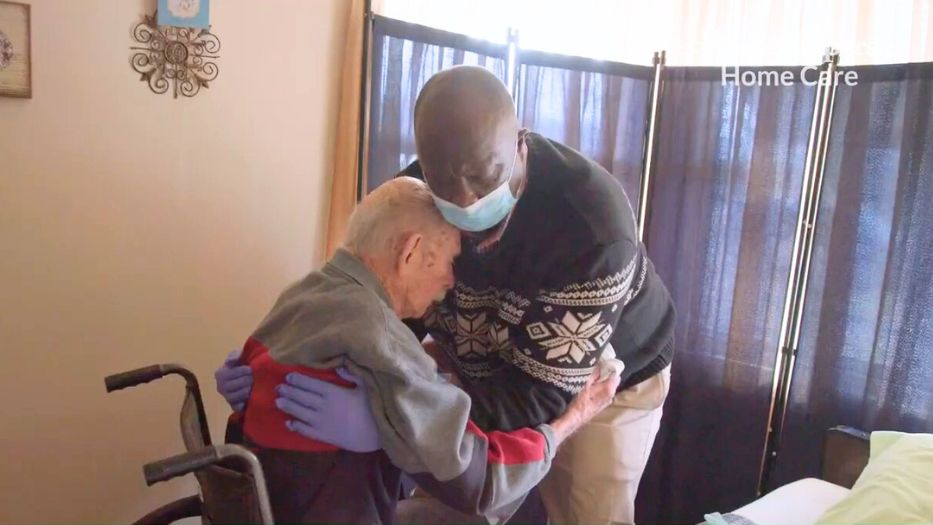
Specialized Care for Changing Health Conditions
As care needs evolve, support may become more specialized.
Caregivers can assist individuals living with conditions such as dementia, Parkinson’s disease, or recovery from a stroke. This includes adjusting routines, communication, and supervision based on the individual’s needs.
Remaining at home during these changes often provides familiarity and stability. While this support is non-medical, it may work alongside medical home care providers when clinical services are required.
Support for Family Caregivers
In many situations, care begins within the family. Over time, responsibilities increase, and what started as occasional help becomes a daily commitment.
This often happens gradually, which makes it difficult to recognize when additional support is needed.
In-home care provides relief by:
- Sharing daily responsibilities
- Providing scheduled support during the week
- Covering overnight or extended care periods
- Allowing family members time to rest or focus on other responsibilities
Support for the family is not separate from care, but is part of the overall structure that allows care to remain consistent and gives families greater peace of mind.
Senior care at home includes a combination of practical support, observation, and consistency. The level of care includes different services that work together to support daily life at home.
For families in Bradenton and across Manatee County, understanding these details can help clarify what type of support is appropriate and when it may be needed.
In many cases, the decision is not about whether care is needed, but about how to introduce it in a way that feels manageable, consistent, and aligned with the individual’s daily life.
Frequently Asked Questions
How many hours of senior care can be provided at home?
Care can range from a few hours per week to full-time or 24-hour support, depending on needs.
Can in-home caregivers provide medical care?
No. Caregivers provide non-medical support. Medical care is handled by licensed professionals.
How do I know what level of care is needed?
Changes in routine, mobility, or safety often indicate the need for support. An assessment can help determine the right level.
Are caregivers screened before providing care?
Yes. Most providers conduct a thorough background check and training process to ensure caregivers are qualified, reliable, and prepared to support seniors safely at home.

The Most Comprehensive Care In The Industry

Physical Wellness
We make daily life easier as needs change, with support for personal care, mobility, medication reminders, and recovery after a hospital stay.
Learn More
Mental Well-Being
Staying active and connected matters. Our caregivers provide companionship and meaningful engagement to support emotional health and independence.
Learn More
Nutrition & Hydration
Healthy meals and proper hydration are essential. We help with planning, shopping, and preparation to support daily wellness and energy.
Learn More
Active Connections
Strong relationships bring comfort and purpose. We help seniors stay connected through social engagement, technology, and regular check-ins.
Learn More