
When Should Families Consider Specialized In-Home Care?
The Caring Corner Blog
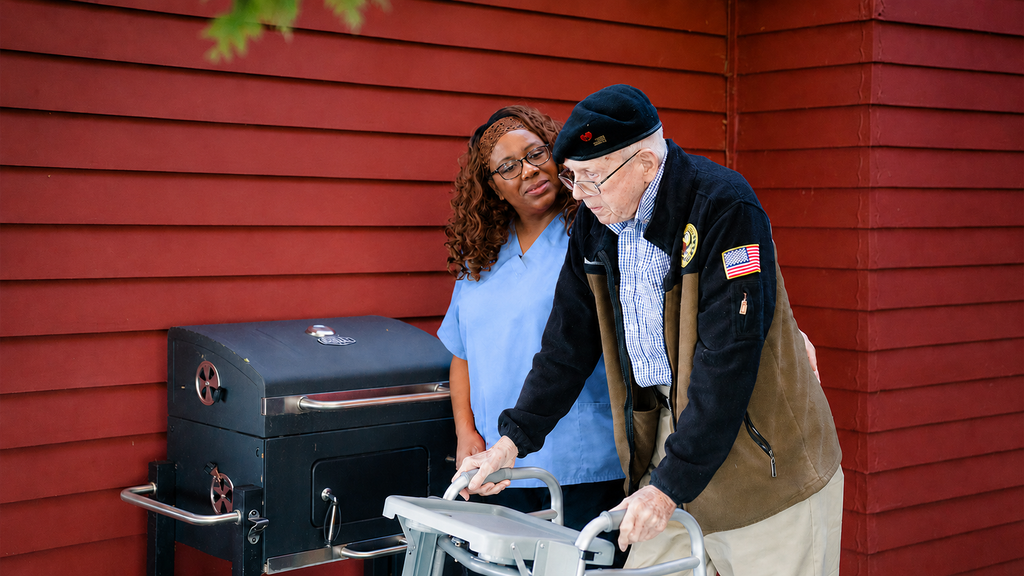
7 common signs that it may be time for more support at home
It can be difficult to know whether changes in a loved one’s daily life mean it is time to consider more support.
Maybe your dad is having more trouble getting around the house. Your mom has started forgetting meals or repeating the same questions. Your spouse is returning home after surgery, and you’re not sure how much help they will need during recovery.
Changes can happen gradually. Other times, a hospitalization, diagnosis, fall, or other health event can change a family’s routine almost overnight.
It may be time to explore additional support when a loved one’s needs become more specific, you find you’re helping out more often, or it’s becoming more difficult for family members to manage on their own.
Specialized in-home care provides non-medical support based on an individual’s needs, routines, and abilities. Depending on the situation, support can include help with personal care, meals, mobility, transportation, household tasks, companionship, medication reminders, respite for family Caregivers, or additional support for someone receiving hospice services.
In this blog, we’ll look at common signs that care needs may be changing and when you may want to consider specialized in-home care.
Recognizing When Care Needs Are Changing
You may hesitate to explore in-home care because you’re unsure whether the changes you are noticing are enough to warrant additional support.
You may find yourself stopping by more often or taking on more of your loved one’s daily responsibilities. Maybe meals have become less consistent, getting ready in the morning takes longer, or your loved one has started avoiding activities because walking has become more difficult. You may even be waking during the night because they need help.
None of these changes automatically mean your loved one needs specialized in-home care. But they can be a reason to look more closely at what has changed and whether additional support could make daily life easier.
Here are seven common signs that it may be time to consider specialized in-home care.
1. Daily Routines Are Getting Harder — You might notice laundry piling up, missed meals, neglected housekeeping, or changes in grooming or personal care. Errands that were once routine may become more tiring or difficult to complete.
Your loved one may still be managing many things on their own, but ordinary tasks are taking more time or energy than they used to.
Specialized in-home care can help with daily activities that have become more difficult while allowing your loved one to remain involved in the routines and decisions they can still manage.
2. Memory Changes Are Affecting Daily Life — Occasional forgetfulness is common, but changes in memory, communication, judgment, or mood can become more concerning when they begin affecting daily life.
You might notice your loved one repeating questions, having more difficulty communicating what they need, or becoming confused or distressed in situations that were once familiar. Because many conditions can affect memory and thinking, discuss these symptoms with an appropriate health care professional.
If your loved one is living with Alzheimer’s disease or another form of dementia, in-home memory care can be tailored around their personality, routines, preferences, communication style, and what brings them comfort. A Caregiver can help with personal care, meal preparation, medication reminders, familiar routines, companionship, meaningful activities, and calm redirection during moments of confusion or distress.
3. Mobility or Fall Concerns are Increasing — You may notice your loved one struggling to get out of a chair, hesitating before using the stairs, holding onto furniture for stability, or limiting activities because they are worried about falling. According to the Centers for Disease Control and Prevention, one in four adults age 65 and older reports falling each year.
Mobility can also change after a fall, hospitalization, stroke, or surgery, and as conditions such as Parkinson’s disease or arthritis progress.
In-home support can help with meal preparation, household tasks, transportation, and other routines that have become more challenging because of changes in strength, balance, or mobility.
4. A Chronic Condition Is Making Everyday Tasks Harder — If your loved one is living with Parkinson’s disease, for example, they may need more help with dressing, meals, transportation, or household activities. Someone with arthritis or joint pain may have difficulty opening containers, doing laundry, shopping, or moving comfortably around the home. Heart-related conditions can cause fatigue or reduced stamina, making errands, meal preparation, and everyday routines harder.
Specialized in-home care can help with daily activities and routines that have become harder to manage.
5. Your Loved One Needs More Help After a Hospital or Rehab Stay — Coming home after surgery, a stroke, hospitalization, or rehabilitation can bring uncertainty and new challenges for your loved one and your family.
They may return home with less strength or stamina. Getting dressed, preparing meals, moving around the home, keeping up with household tasks, or getting to follow-up appointments can suddenly require more assistance.
You may be trying to keep track of discharge instructions, therapy appointments, and new routines while managing work and family life.
Recuperative and post-discharge in-home care provides non-medical support during this transition, including help with meal preparation, transportation, mobility, personal care, reminders, and household activities.
6. You’re Taking on More as a Family Caregiver — You may be managing your loved one’s meals, appointments, errands, personal care, and household needs while also keeping up with your own work and family responsibilities. For many families, that commitment is substantial. AARP and the National Alliance for Caregiving found that people caring for adults age 50 and older spend an average of 26 hours per week providing care.
Over time, you might notice that you are sleeping less, canceling plans, missing work, or finding it harder to keep up with everything your loved one needs. You may be carrying more Caregiving responsibilities than siblings or other family members can take on.
Respite care allows family Caregivers to take a break while their loved one continues receiving support at home. It can include a few hours at a time, regularly scheduled visits during the week, or longer periods depending on your family’s needs.
7. Your Loved One Needs More Frequent or Overnight Support — Care needs do not always fit neatly into daytime hours. Your loved one may need assistance in the evening, wake frequently during the night, or require more consistent support throughout the day. You may find yourself coordinating with relatives or rearranging schedules to make sure someone can be there, especially when needs become less predictable.
Live-in care generally involves a Caregiver residing in the home with scheduled breaks and rest periods. Twenty-four-hour care typically uses multiple Caregivers working in shifts, so an awake Caregiver is available day and night.
These are different care arrangements, and availability may vary based on the local agency, state regulations, and the individual’s needs. Your local Home Helpers® Home Care agency can help you understand what support is available and which options may be right for you.
What If You Aren’t Sure What Kind of Care Your Loved One Needs?
You do not have to know whether your loved one needs “memory care,” “respite care,” “post-operative care,” or another specific type of support before starting the conversation.
You may know that something has changed and you aren’t sure what to do next.
During an in-home care assessment, your local Home Helpers® Home Care team will learn more about your loved one’s routines, where they are doing well, what has become more difficult, and where additional support could help. From there, you can discuss a personalized care plan.
Specialized In-Home Care Can Change as Needs Change
Your loved one’s care needs can change over time. Someone recovering from surgery may need temporary support, while a person living with Parkinson’s disease, dementia, or another chronic condition may need ongoing assistance as circumstances change.
At Home Helpers® Home Care, our Cared-4℠ approach is designed to support the whole person, not just one condition or task.
Our holistic Cared-4℠ approach focuses on four areas that contribute to everyday well-being:
- Physical Wellness – We help make everyday life easier as needs change. From personal care and hygiene to medication reminders, getting around safely, facilitating proper sleep, and support after a hospital or rehab stay, our home care services provide dependable assistance delivered by our exceptional Caregivers.
- Mental Well-Being – We make each day the best it can be by keeping minds active, engaged, and connected in ways that truly matter. Through attentive home care, our Caregivers provide companionship and meaningful engagement to support emotional and mental health and wellness.
- Nutrition and Hydration – Eating well and staying hydrated is key to maintaining energy and independence. Our Caregivers can help with meal planning, grocery shopping, and food preparation to help ensure proper nutrition and hydration throughout the day.
- Active Connections – Meaningful relationships with family, friends, and community provide a sense of security and purpose. Our home care services help strengthen the connections that matter most through social engagement, smart technology, and wellness calls.
You don’t have to make every care decision at once.
If you are unsure where to start, focus on what you are noticing at home, whether that is a change in mobility, memory, daily routines, personal care, or the amount of help your family is providing.
Your local Home Helpers® Home Care agency can answer your questions, learn about your loved one’s needs, and help you understand the care options available in your area.
To learn more about our services, contact us to schedule your FREE in-home assessment or find an agency near you.

The Most Comprehensive Care In The Industry

Physical Wellness
We make daily life easier as needs change, with support for personal care, mobility, medication reminders, and recovery after a hospital stay.
Learn More
Mental Well-Being
Staying active and connected matters. Our caregivers provide companionship and meaningful engagement to support emotional health and independence.
Learn More
Nutrition & Hydration
Healthy meals and proper hydration are essential. We help with planning, shopping, and preparation to support daily wellness and energy.
Learn More
Active Connections
Strong relationships bring comfort and purpose. We help seniors stay connected through social engagement, technology, and regular check-ins.
Learn More