Understanding Alzheimer’s Care for Everyday Families
Learn how personalized Alzheimer’s care can support familiar routines, respectful communication, and family confidence at home in Stockton, CA.
Need Home Care?
Contact Us Today
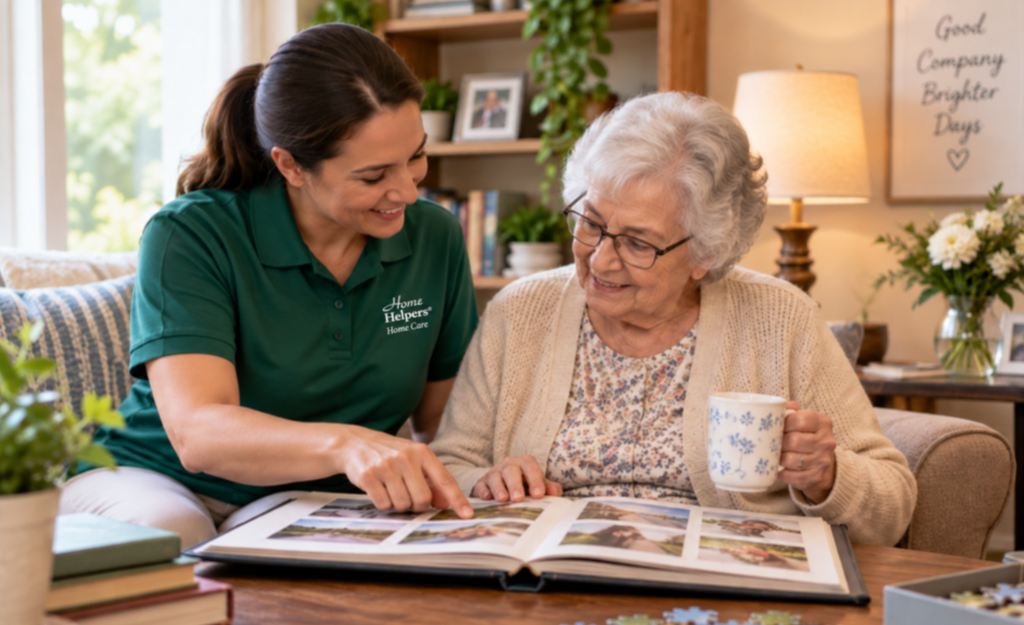
When a loved one begins experiencing changes in memory, communication, or familiar routines, families often face questions they never expected to ask. Finding dependable home care in Stockton, CA can provide practical support while helping an older adult remain connected to familiar surroundings and routines.
Alzheimer’s care is not simply about completing daily tasks. It involves understanding the individual, responding patiently to changing needs, and creating consistent experiences that support dignity, comfort, and meaningful engagement.
Every family’s experience is different, which is why personalized support matters. At Home Helpers Home Care of Modesto, we believe care should begin with understanding the person behind the changing memory. Familiar preferences, meaningful activities, communication habits, and established routines can all shape how support is provided. Our goal is to help families feel better prepared while supporting their loved one with respect and compassion.
Recognizing When More Support May Help
Memory changes can affect everyday life in different ways. A loved one may begin forgetting familiar appointments, repeating questions, becoming uncertain about routine activities, or having difficulty organizing the day. These changes may develop gradually, making it difficult for relatives to know when additional assistance could be helpful.
Families can begin by observing how changes affect safety, confidence, and daily routines rather than focusing on one isolated moment. Support may become useful when previously familiar activities create frustration or when family caregivers find themselves providing increasingly frequent supervision.
What Changes May Families Notice?
Every person’s experience is different, but families may notice changes such as:
- Difficulty following familiar daily routines
- Increased confusion during certain times of the day
- Repeated questions or conversations
- Changes in meal or hydration habits
- Greater difficulty completing personal activities
- Withdrawal from previously meaningful activities
Noticing patterns can help families communicate their concerns and determine when it may be appropriate to speak with a qualified healthcare professional or explore additional daily support.
Creating Familiarity Through Daily Routines
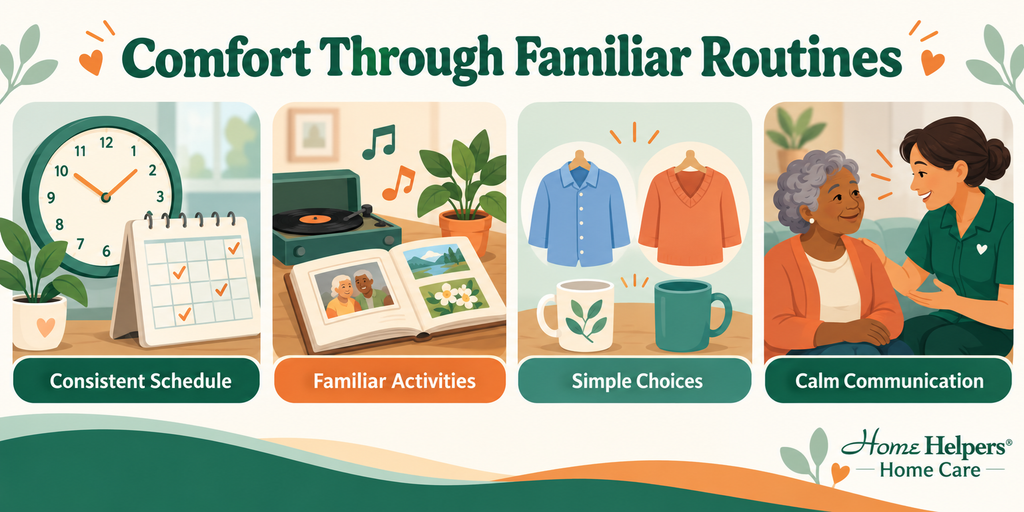
Predictable routines can provide an important sense of stability for someone experiencing memory changes. Regular times for meals, personal care, favorite activities, and rest may make each day easier to navigate. Instead of continually introducing new expectations, caregivers can build support around habits the person already recognizes.
Families also benefit when routines are realistic. Trying to maintain every previous responsibility can create unnecessary frustration for everyone involved. A more manageable approach may be to preserve activities that remain meaningful while providing assistance with tasks that have become difficult.
How Can Respite Care Support Family Caregivers?
Caregiving responsibilities can become demanding for relatives over time. Having access to respite care for family caregivers can allow family members to attend appointments, manage personal responsibilities, rest, or spend time with others while their loved one continues receiving attentive support.
This balance may help families maintain healthier caregiving relationships by reducing pressure and creating opportunities for meaningful time together.
Communicating with Patience and Respect
Communication may change as Alzheimer’s progresses. Someone may have difficulty finding words, following a lengthy conversation, or explaining what they need. When this happens, slowing the interaction can make communication feel more comfortable.
Calm conversations that provide enough time for a response may reduce pressure. Simple choices can also be easier to process than open-ended questions. When someone becomes confused, repeatedly correcting every detail may increase frustration. Gentle reassurance, redirection, and attention to the emotion behind a statement can support a calmer interaction.
Tone and body language matter as well. A relaxed voice, comfortable eye contact, and respectful approach can communicate reassurance even when words become more difficult to understand.
What Communication Approaches May Be Helpful?
Caregivers can make conversations more comfortable by:
- Speaking slowly and using clear language
- Asking one question at a time
- Offering simple, manageable choices
- Allowing additional time for a response
- Using a calm and reassuring tone
- Paying attention to facial expressions and body language
- Redirecting gently when a conversation causes frustration
Our person-centered approach focuses on routines, preferences, communication habits, and surroundings that may help each individual feel more comfortable and secure.

Supporting Independence Without Adding Pressure
Alzheimer’s does not immediately prevent someone from participating in everyday life. Many older adults can continue making choices, enjoying familiar activities, and completing portions of daily routines when they receive appropriate assistance.
The goal is to balance assistance with independence. Rather than automatically taking over an activity, caregivers can offer reminders, organize supplies, simplify choices, or provide help only where it is needed. This approach can preserve involvement while reducing unnecessary pressure.
How Can Personalized Care Encourage Participation?
Personalized Alzheimer’s and dementia care can provide the appropriate level of assistance while encouraging continued participation in familiar activities.
| Area of Support | How Caregivers May Help |
| Daily routines | Provide reminders and consistent assistance |
| Meals and hydration | Help prepare meals and encourage regular hydration |
| Mobility | Offer support with safe everyday movement |
| Companionship | Encourage conversation and familiar activities |
| Household routines | Assist with light household responsibilities |
The appropriate level of assistance can change as the individual’s abilities, routines, and preferences evolve. Personalized care plans allow support to adjust while keeping dignity, comfort, and individual choice at the center.
Helping Families Feel More Prepared
Alzheimer’s affects more than the person experiencing memory changes. Spouses, adult children, siblings, and other relatives may find themselves adapting their roles, schedules, and expectations. Having a shared approach can reduce uncertainty and help everyone respond more consistently.
Families can benefit from discussing routines, preferences, effective communication approaches, and caregiving responsibilities before challenges become overwhelming. Learning about dementia care that supports comfort and reassurance can also help families consider practical ways to respond as daily needs change.
Keeping important information organized may make transitions between family caregivers and professional caregivers smoother. This information may include preferred schedules, favorite meals and activities, helpful communication approaches, sources of comfort or frustration, important family contacts, and current care instructions from appropriate professionals.
Why Should Care Plans Remain Flexible?
A routine that works well today may need to be adjusted later. Flexible care planning allows support to evolve while keeping dignity, personal preferences, and familiar routines at the center.
Regular communication among family members, caregivers, and appropriate professionals can help everyone understand changing needs. This coordinated approach may also make future care decisions feel more manageable.
Move Forward with Compassionate Alzheimer’s Care
Families do not have to manage every change alone. Thoughtful planning, consistent routines, respectful communication, and dependable assistance can help an older adult continue experiencing meaningful moments in familiar surroundings.
Home Helpers Home Care of Modesto invites families to meet our compassionate home care team. For families considering Alzheimer’s care or senior home care in Stockton, CA, call (209) 222-5839 to discuss a personalized care plan designed to support comfort, dignity, and meaningful connections at home.
The Most Comprehensive Care In The Industry

Physical Wellness
We make daily life easier as needs change, with support for personal care, mobility, medication reminders, and recovery after a hospital stay.
Learn More
Mental Well-Being
Staying active and connected matters. Our caregivers provide companionship and meaningful engagement to support emotional health and independence.
Learn More
Nutrition & Hydration
Healthy meals and proper hydration are essential. We help with planning, shopping, and preparation to support daily wellness and energy.
Learn More
Active Connections
Strong relationships bring comfort and purpose. We help seniors stay connected through social engagement, technology, and regular check-ins.
Learn More