When Is It Time for Alzheimer’s Home Care? Signs Your Loved One May Need Additional Support
Receiving an Alzheimer’s disease diagnosis can be overwhelming for both seniors and their families. In the early stages, many individuals continue living independently with only minor adjustments to their routines. Over time, however, the progressive nature of Alzheimer’s disease often creates new challenges that affect memory, judgment, safety, and daily functioning.
As these changes occur, families frequently find themselves asking an important question: When is it time for additional help?
While every person’s journey is different, recognizing the signs that a loved one may benefit from Alzheimer’s home care can help families make proactive decisions that support safety, quality of life, and overall well-being. Seeking support before a crisis occurs often allows seniors to remain in familiar surroundings while receiving the assistance they need.
Understanding the Progression of Alzheimer’s Disease
Alzheimer’s disease affects individuals differently, and symptoms often develop gradually.
In the early stages, a person may experience occasional forgetfulness while still managing most daily activities independently. As the disease progresses, cognitive changes can begin affecting decision-making, communication, personal care, and household management.
Because these changes occur over time, family members may not immediately recognize when additional support has become necessary.
Paying attention to patterns rather than isolated incidents can help families identify when care needs are increasing.
Daily Tasks Are Becoming More Difficult
One of the earliest indicators that additional support may be beneficial is difficulty managing everyday activities.
Tasks that once felt routine may become confusing or overwhelming.
Families may notice challenges with:
- Preparing meals
- Managing medications
- Paying bills
- Following daily routines
- Completing household chores
A senior who frequently forgets steps in familiar tasks or leaves responsibilities unfinished may benefit from structured support and supervision.
Personal Hygiene Is Declining
Changes in personal hygiene often signal that cognitive challenges are affecting daily functioning.
A loved one may begin:
- Wearing the same clothing repeatedly
- Forgetting to bathe
- Neglecting oral hygiene
- Skipping grooming routines
These changes are not necessarily a matter of choice. Alzheimer’s disease can make it difficult to remember routines or recognize when personal care tasks need attention.
Consistent support can help maintain dignity while ensuring important hygiene needs are met.
Medication Mistakes Are Becoming More Common
Managing medications requires organization, memory, and attention to detail.
For someone living with Alzheimer’s disease, medication routines can become increasingly difficult to follow.
Warning signs include:
- Missed doses
- Duplicate doses
- Confusion about prescriptions
- Running out of medications unexpectedly
Medication errors can have serious health consequences, making this one of the most important indicators that additional support may be needed.
Safety Concerns Are Increasing
Safety is often one of the primary reasons families begin considering care options.
As cognitive changes progress, seniors may become more vulnerable to accidents and hazardous situations.
Examples include:
- Leaving the stove on
- Forgetting to lock doors
- Difficulty responding to emergencies
- Wandering away from home
- Poor judgment regarding personal safety
Even small incidents can indicate a growing need for supervision and support.
Wandering Behaviors Are Emerging
Wandering is a common concern for families caring for someone with Alzheimer’s disease.
A loved one may leave home unexpectedly because they are confused, searching for something familiar, or attempting to complete a task they believe is necessary.
Wandering can occur at any stage of the disease but often becomes more likely as cognitive decline progresses.
When wandering behaviors emerge, families should carefully evaluate whether additional support is needed to maintain safety.
Family Caregivers Are Feeling Overwhelmed
Many family members provide care for years before seeking professional assistance.
While caregiving can be deeply meaningful, it can also become physically and emotionally demanding.
Common signs of caregiver strain include:
- Chronic stress
- Exhaustion
- Difficulty balancing responsibilities
- Sleep disruption
- Feelings of burnout
When caregiving begins affecting the health and well-being of family members, additional support can benefit everyone involved.
Social Withdrawal Is Becoming More Noticeable
Alzheimer’s disease often affects a person’s willingness or ability to engage socially.
A loved one may begin avoiding:
- Family gatherings
- Community activities
- Social events
- Hobbies they once enjoyed
This withdrawal can contribute to loneliness, anxiety, and reduced quality of life.
Structured companionship and support can help encourage meaningful engagement and interaction.
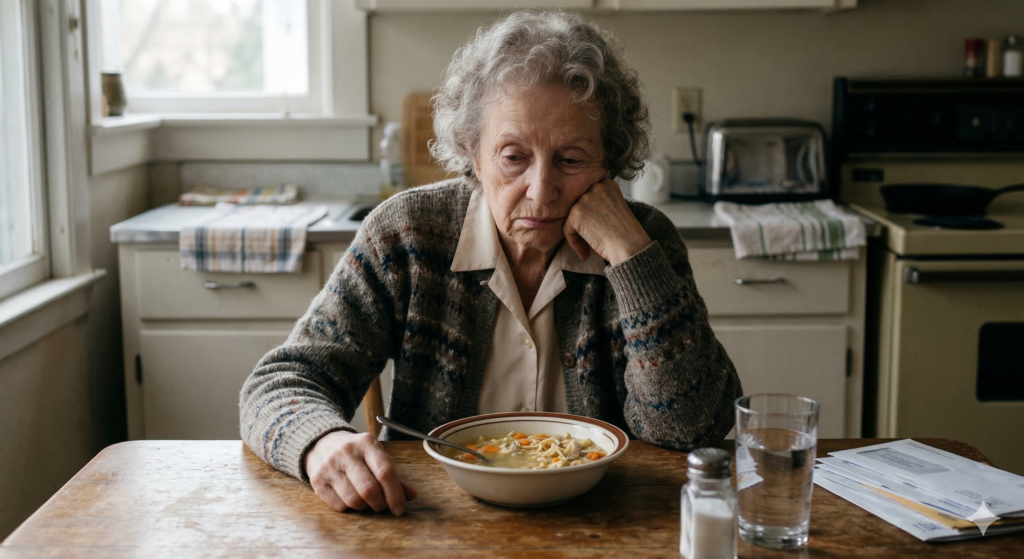
Nutrition and Eating Habits Are Changing
Cognitive decline can affect eating habits in several ways.
A senior may forget to eat, struggle to prepare meals, or lose track of when they last ate.
Families may notice:
- Weight loss
- Spoiled food in the refrigerator
- Missed meals
- Dehydration
- Reduced interest in food
These changes can negatively affect health and often indicate the need for additional assistance.
The Benefits of Early Intervention
Many families wait until a major incident occurs before exploring care options.
Unfortunately, crisis-driven decisions often create unnecessary stress and limit available choices.
Seeking support early offers several advantages:
- Improved safety
- Greater stability
- Reduced caregiver stress
- Better quality of life
- More opportunities for planning
Early intervention often allows seniors to remain at home longer while maintaining familiar routines and surroundings.
How Home-Based Support Can Help
Professional caregivers can provide assistance tailored to the unique challenges associated with Alzheimer’s disease.
Support may include:
- Personal care assistance
- Medication reminders
- Meal preparation
- Companionship
- Supervision
- Safety monitoring
- Routine support
These services help create a structured environment that promotes comfort and stability.
Many families find that Alzheimer’s home care allows their loved one to remain in a familiar setting while receiving personalized support.
Maintaining Quality of Life
The goal of care is not simply to manage symptoms. It is also to preserve quality of life.
Familiar surroundings, established routines, and meaningful relationships often play a valuable role in supporting emotional well-being for individuals living with Alzheimer’s disease.
By providing assistance while preserving independence wherever possible, families can help loved ones continue enjoying daily life with dignity and comfort.
Final Thoughts
Determining when a loved one needs additional support is rarely easy. However, recognizing warning signs such as safety concerns, medication mistakes, declining hygiene, caregiver burnout, and changes in daily functioning can help families make informed decisions.
Alzheimer’s Home Care provides personalized support that helps seniors remain safe and comfortable while allowing families to focus on maintaining meaningful connections. By addressing care needs proactively, families can help loved ones navigate Alzheimer’s disease with greater security, dignity, and quality of life.
If you or an aging loved one is considering home care in Santa Clara, CA, please contact the caring staff at Home Helpers today (408) 317-4969.
The Most Comprehensive Care In The Industry

Physical Wellness
We make daily life easier as needs change, with support for personal care, mobility, medication reminders, and recovery after a hospital stay.
Learn More
Mental Well-Being
Staying active and connected matters. Our caregivers provide companionship and meaningful engagement to support emotional health and independence.
Learn More
Nutrition & Hydration
Healthy meals and proper hydration are essential. We help with planning, shopping, and preparation to support daily wellness and energy.
Learn More
Active Connections
Strong relationships bring comfort and purpose. We help seniors stay connected through social engagement, technology, and regular check-ins.
Learn More