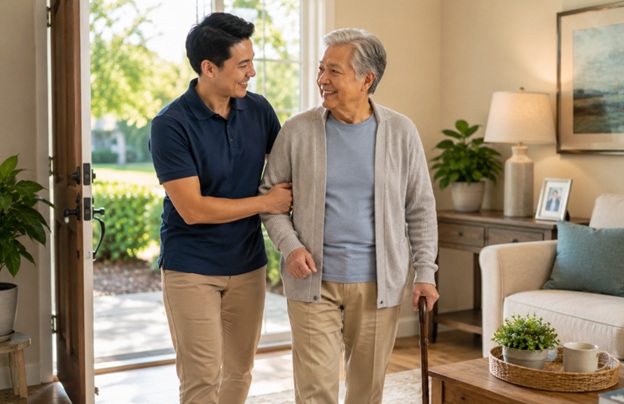
How Caregivers Support Seniors After a Hospital Stay
Discover how compassionate home care can help seniors manage daily routines, meals, mobility, and personal needs after returning home from a hospital stay.
Need Home Care?
Contact Us Today
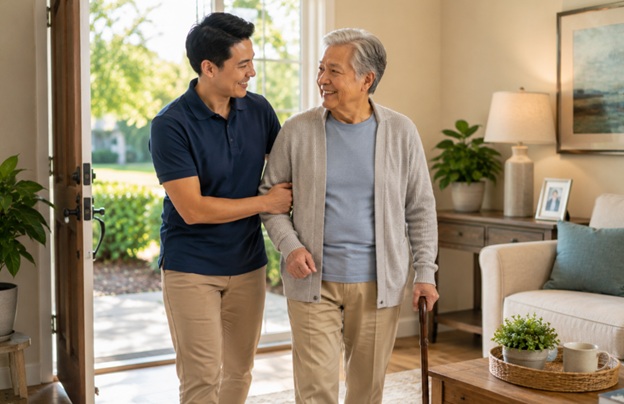
Returning home after a hospital stay can bring relief, but it can also introduce new challenges for seniors and their families. Home care services in Corte Madera, CA can provide practical, nonmedical assistance as older adults settle back into familiar surroundings. A caregiver can help with everyday routines, meals, mobility, personal needs, and companionship while following the family’s established plan. This support can make the transition home feel more manageable while giving seniors time to regain confidence in their usual routines.
Recovery needs can vary widely depending on why a senior was hospitalized, their abilities before admission, and the instructions provided by their healthcare professionals. That is why personalized support matters. At Home Helpers Home Care of San Rafael, we focus on each person’s needs, preferences, schedule, and comfort. Rather than assuming every recovery follows the same path, we provide compassionate assistance that can adapt as daily needs change.
Making the Return Home More Manageable
How Can Caregivers Support Everyday Routines?
The first few days at home may feel different from a senior’s normal routine. Tasks such as getting dressed, preparing breakfast, moving between rooms, or keeping the household organized can require more energy than they did before hospitalization.
Caregivers can make these everyday activities easier to manage by providing an appropriate level of assistance. The goal is to support the senior without unnecessarily taking over tasks they can still perform. This balanced approach encourages participation while providing help where it is needed.
How Does Nonmedical Home Care Fit into Recovery?
A caregiver may assist with dressing and grooming, provide mobility support, handle light housekeeping, or help organize the day’s routine. Having someone available for these activities can also reduce the amount of responsibility placed on family members.
Families should continue following discharge instructions and communicate medical concerns to the appropriate healthcare professionals. Nonmedical home care serves a different purpose. It helps bridge the gap between professional medical guidance and the everyday activities that still need attention once someone returns home.
Supporting Meals and Hydration
Eating well and staying hydrated are important parts of everyday wellness, yet meal preparation can become difficult when a senior has recently returned home. Shopping, standing in the kitchen, preparing ingredients, and cleaning afterward may require more energy than the person currently has.
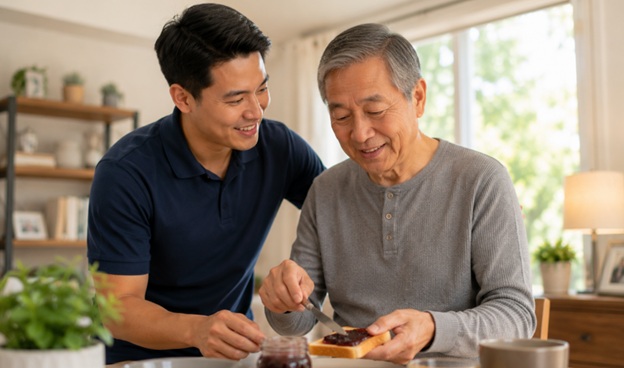
Caregivers can help with grocery planning and meal preparation based on the senior’s preferences and any instructions the family has received from healthcare professionals. They can also help keep beverages accessible and provide reminders to eat and drink according to the established routine.
This kind of support is about more than completing a household task. Familiar meals can make returning home feel more normal after spending time away. Seniors may also appreciate having someone nearby during mealtimes, particularly when they are adjusting to a quieter home environment after hospitalization.
Families can communicate preferences, dietary instructions, and familiar routines so caregivers understand how to provide consistent assistance. When meals become easier to manage, seniors can direct more of their energy toward rest, daily activities, and regaining confidence at home.
Rebuilding Confidence in Daily Routines
A hospital stay can temporarily interrupt habits that once felt automatic. Even after returning home, a senior may feel uncertain about getting out of bed, walking through the house, dressing, or managing a normal morning routine.
Caregivers can provide calm assistance while allowing seniors to do what they can for themselves. This approach can help preserve independence rather than creating unnecessary dependence. Simple encouragement and a patient pace can make familiar activities feel less overwhelming.
For families seeking support specifically after an illness, procedure, or hospital discharge, transitional care can help seniors adjust to daily life at home. Assistance may include everyday routines, meal preparation, hydration, mobility, medication reminders, and accompaniment to follow-up appointments when appropriate.
Caregivers can also observe changes in a senior’s usual comfort, strength, or routine and communicate those observations to family members. They do not replace doctors, nurses, therapists, or other healthcare professionals. Instead, their role is to provide dependable nonmedical assistance that supports the senior’s established recovery plan and everyday quality of life.
Helping Families Manage New Responsibilities
Hospital discharge can create a busy period for families. Relatives may suddenly find themselves managing several responsibilities at once, including:
- Coordinating follow-up appointments and transportation
- Reviewing discharge instructions and keeping important information organized
- Picking up groceries, medications, and other household necessities
- Determining how much daily assistance their loved one may need
- Balancing caregiving responsibilities with work, children, and other commitments
Professional caregivers can share some of these everyday responsibilities. Assistance with meals, companionship, grooming, mobility, and household routines can give family members more room to focus on responsibilities that require their direct involvement.
Reliable support can be particularly helpful when relatives live elsewhere or cannot remain in the home throughout the day. Depending on the senior’s needs, caregiver schedules can be adjusted to provide support at times when assistance matters most.
Families may also find that care requirements change as recovery progresses. Someone who initially needs substantial assistance may gradually become more independent, while another person may need continued support. Flexible caregiving allows the care routine to respond to those changes instead of forcing every senior into the same schedule.
Creating Continued Support at Home
Returning home is not always the end of the transition. Seniors may need time to become comfortable with their routines again, and families may need time to understand what level of ongoing assistance works best.
Building Care Around Everyday Needs
A thoughtful care plan considers the entire day. Morning routines, nutrition, personal care, companionship, mobility, household activities, and regular check-ins can all contribute to a more supportive home environment. Some families may also consider monitoring services as part of a broader approach to helping an older adult remain connected and supported at home.
The most effective arrangement respects the senior’s preferences while recognizing where assistance can make everyday life easier. Care should never feel like a rigid checklist. It should respond to the individual, their established routines, and changes in what they can comfortably manage.
Finding the Right Support After a Hospital Stay
A return from the hospital can be an important transition, and families do not have to manage every daily responsibility alone. Home Helpers Home Care of San Rafael provides compassionate caregiver assistance designed around each senior’s routines, preferences, and changing needs.
With home care services in Corte Madera, CA, families can arrange support that helps with everyday activities while their loved one settles back into life at home. Families can schedule a free in-home care assessment to explore the level of support that may fit their loved one’s needs. To discuss how caregiver support may fit into a senior’s transition after a hospital stay, call (415) 980-4932 and speak with our team about appropriate care options.
The Most Comprehensive Care In The Industry

Physical Wellness
We make daily life easier as needs change, with support for personal care, mobility, medication reminders, and recovery after a hospital stay.
Learn More
Mental Well-Being
Staying active and connected matters. Our caregivers provide companionship and meaningful engagement to support emotional health and independence.
Learn More
Nutrition & Hydration
Healthy meals and proper hydration are essential. We help with planning, shopping, and preparation to support daily wellness and energy.
Learn More
Active Connections
Strong relationships bring comfort and purpose. We help seniors stay connected through social engagement, technology, and regular check-ins.
Learn More