
Making a Splash: Insights on Bathing and Dementia Care
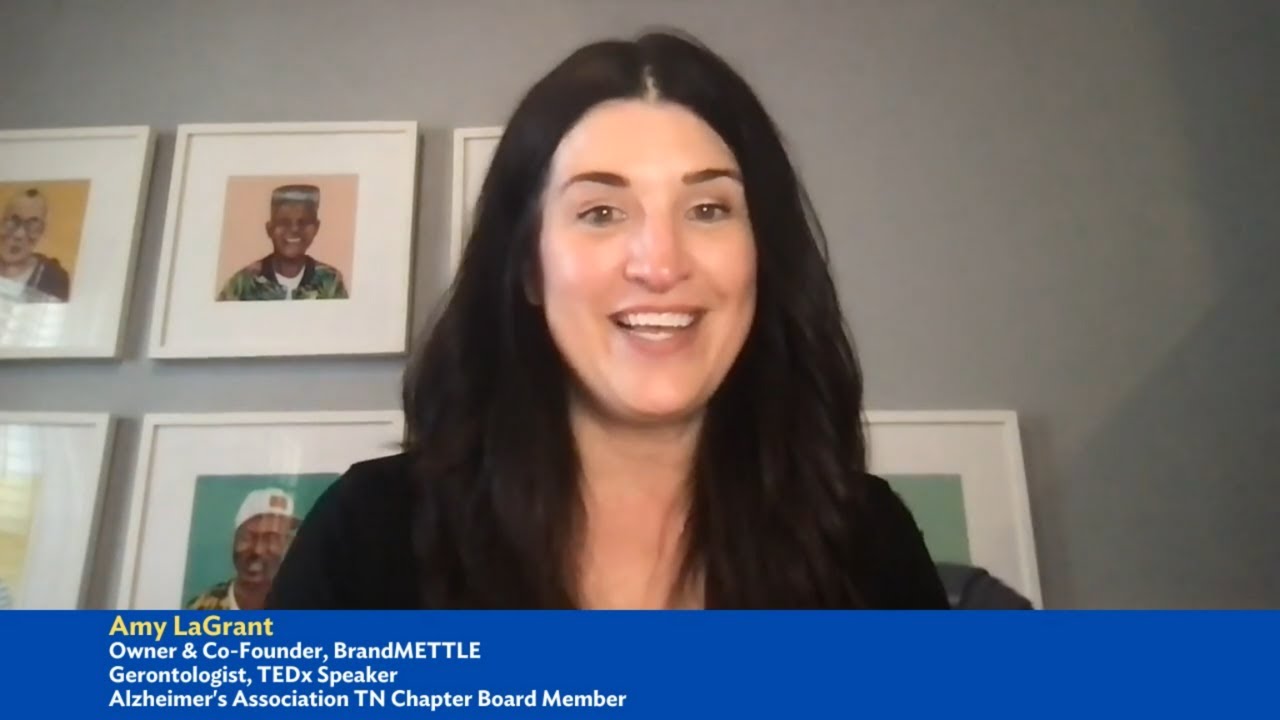
In our latest episode of Home Helpers Water Cooler Chat, I spoke once again with Amy LaGrant. She is a renowned expert in dementia care. Amy’s deep expertise has established her as a trusted voice for many families managing Alzheimer’s. Her guidance has been invaluable in navigating dementia’s complexities.
In this part of our interview, Amy discusses a common problem for families. She explains how to make bathing comfortable for people with Alzheimer’s or dementia. She also emphasizes the importance of respect during this process.
Bathing is an essential part of daily care. However, it can be a source of significant stress for both the individual and the caregiver. In this conversation, Amy helps us transform this task into a more manageable and even meaningful experience.
About Amy LaGrant

Amy LaGrant, a TEDx speaker, co-founded BrandMETTLE, a company dedicated to improving the lives of seniors. BrandMETTLE focuses on developing innovative solutions to meet their unique needs. In addition, she serves on the board of the Alzheimer’s Association Tennessee Chapter. She advocates for early diagnosis and effective treatment options for those affected by Alzheimer’s disease.
Amy blends her professional skills with personal experience, offering strategies that can greatly impact caregivers and their loved ones. Amy’s expertise helps those dealing with various forms of dementia, including Alzheimer’s, frontotemporal dementia, Lewy body dementia, and mixed dementia.
The Emotional Challenge of Bathing in Dementia Care
Living with Alzheimer’s can make everyday tasks, such as bathing, feel challenging. This is especially true as the disease progresses. Dementia affects different areas of the brain, leading to a variety of challenges in daily care routines.
As we can all agree, bathing is a deeply personal and intimate activity. For any person living with dementia, it can become a source of anxiety and discomfort. The changes in cognition and sensory perception from dementia can make bathing feel like an overwhelming task. The strategies Amy offers to support people with dementia by addressing the emotional challenges they face during care.
Amy shares a personal story about her father, who had Alzheimer’s, and the challenges they faced together during bathing. She highlights the need to acknowledge the emotional impact on both the caregiver and the individual receiving care.
Amy emphasizes that recognizing these emotional challenges is the first step in addressing them. By validating the person’s emotions, you ease tension and create a better experience. Acknowledging feelings of embarrassment or anxiety about needing help with personal tasks helps them feel respected and understood. This approach fosters a deeper connection between the caregiver and the individual.
Creating a Comforting Bathing Experience

Amy suggests several practical tips to help make bathing a more comfortable experience for those with dementia:
1: Acknowledge the Emotional Aspect:
- Understand that bathing can be an emotionally charged experience. Taking a moment to acknowledge this can help ease the tension. When caregivers express empathy, it can make the person feel more at ease.
2: Incorporate Familiar Elements:
- Use familiar scents, music, or routines to create a comforting environment during bath time. For instance, let’s take an individual that enjoys the scent of eucalyptus or lavender. Introducing these into the bathing routine can create a sense of can foster a comforting and familiar environment.
3: Use Humor When Appropriate:
- Humor can be a powerful tool in easing uncomfortable situations. Amy found that humor helped her and her father cope with the challenges of bathing. Making light of the situation, when appropriate, can create a sense of normalcy and connection.
4: Establish a Routine:
- Consistency is key. Bathing at the same time each day helps the person with dementia know what to expect, reducing anxiety. Establishing a routine can help reduce the risk of agitation during bathing for individuals with dementia. Establishing a predictable schedule can also help the caregiver plan and prepare, making the process smoother for everyone involved.
5: Use Touch as Communication:
- In the later stages of dementia, verbal communication may become limited. However, gentle touch and eye contact can convey reassurance and care. For example, holding the person’s hand or gently guiding them through the process can help them feel safe and supported.
6: Create a Safe Environment:
- Ensuring that the bathroom is a safe space is vital. This includes installing grab bars, using non-slip mats, and having all necessary supplies within easy reach. Creating a safe environment can minimize accidents and make the process less stressful for everyone involved.
Additional Strategies for Caregivers
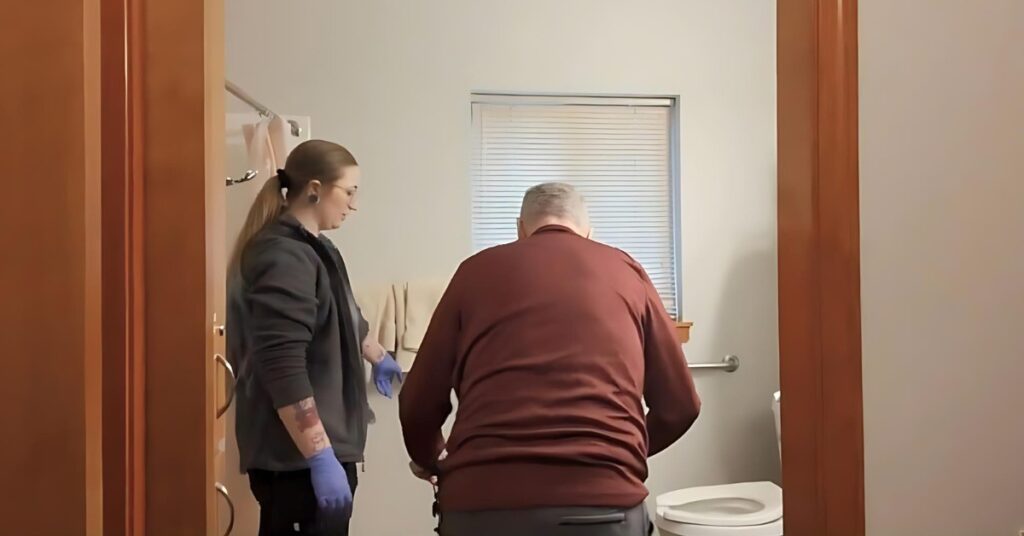
Beyond the practical tips mentioned above, caregivers can take additional steps to ensure a positive bathing experience:
1: Personalize the Experience:
- Every individual has unique preferences. Some may prefer a warm bath, while others might feel more comfortable with a quick shower. Understanding these preferences and tailoring the experience accordingly can make a significant difference.
2: Maintain Privacy and Dignity:
- Maintaining the person’s dignity is essential. Using towels or robes to cover the person as much as possible during the process can help preserve their sense of privacy. Respectfully involving them in decisions, such as their choice of soap or shampoo, can help maintain their dignity.
3: Encourage Independence:
- If the person is able to wash certain parts of their body on their own, encourage them to do so. This not only promotes independence but also gives them a sense of control over the situation.
4: Stay Calm and Patient:
- Bathing can take longer when caring for someone with dementia, and it’s important to remain calm and patient. Rushing through the process can increase anxiety for both the caregiver and the person receiving care. Taking the time to go at a comfortable pace can make the experience more pleasant.
5: Seek Support When Needed:
- If struggling with bathing or any other aspect of dementia care, caregivers should seek support without hesitation. Seeking support might involve asking family members for help, hiring professional caregivers, or joining a dementia caregivers support group.
Amy’s Advocacy in Dementia Awareness
In addition to providing practical advice, Amy discusses her involvement with the Alzheimer’s Association. Amy’s advocacy extends to promoting comprehensive life care strategies for individuals with dementia. She also highlights the need to overcome the stigma tied to Alzheimer’s.
She emphasizes her efforts to promote early diagnosis and treatment awareness. Amy emphasizes that there are certain risk factors for dementia. These factors can lead to dementia and underscore the importance of early intervention. Early diagnosis is crucial, as memory loss can significantly impact the quality of life and care strategies.
Amy advises families to seek early treatment to fully benefit from new therapies that are becoming available. Early intervention, she stresses, can markedly improve the quality of life for Alzheimer’s patients and their loved ones. Through her efforts in education and resource advocacy, Amy deeply impacts the lives of those living with dementia.
A Personal Note
In closing, I felt compelled to write a personal note to you all. Amy’s stories and her deep commitment to dementia care truly moved me. Amy’s advice comforts and guides those caring for those diagnosed with dementia. Her expertise, combined with her personal experience, offers hope and guidance to many families facing similar situations.
Whether you are a friend or family member, Amy’s guidance provides essential support for navigating dementia care. For those caring for someone with Parkinson’s disease, her recommendations are also vital. About a third of people with Parkinson’s will develop dementia.
I’m thankful for the chance to share this conversation and hope it offers you the support and encouragement you need.
Watch Amy LaGrant’s TEDx Talk
For valuable information on dementia care, be sure to view Amy LaGrant’s TEDx talk. Amy’s talk dives into the challenges that caregivers face daily. She offers practical solutions that can make a significant impact.
Contact Information:
If you have any questions or need further assistance, don’t hesitate to reach out to Amy LaGrant directly. She is a valuable resource for caregivers and families alike.
- Phone: 415-797-8156
- Email: alagrant@yourbrandmettle.com
- Website: www.amylagrant.com
Closing Thoughts
We appreciate your time and attention to this episode of Home Helpers Water Cooler Chat. We hope Amy’s insights have offered you essential strategies and helpful information to enhance your caregiving role.
Until next time, “stay hydrated” with engaging conversations and keep seeking valuable insights to enhance your caregiving journey.

The Most Comprehensive Care In The Industry

Physical Wellness
We make daily life easier as needs change, with support for personal care, mobility, medication reminders, and recovery after a hospital stay.
Learn More
Mental Well-Being
Staying active and connected matters. Our caregivers provide companionship and meaningful engagement to support emotional health and independence.
Learn More
Nutrition & Hydration
Healthy meals and proper hydration are essential. We help with planning, shopping, and preparation to support daily wellness and energy.
Learn More
Active Connections
Strong relationships bring comfort and purpose. We help seniors stay connected through social engagement, technology, and regular check-ins.
Learn More