Understanding the Role of Caregivers in Veterans Care
Need Home Care?
Contact Us Today
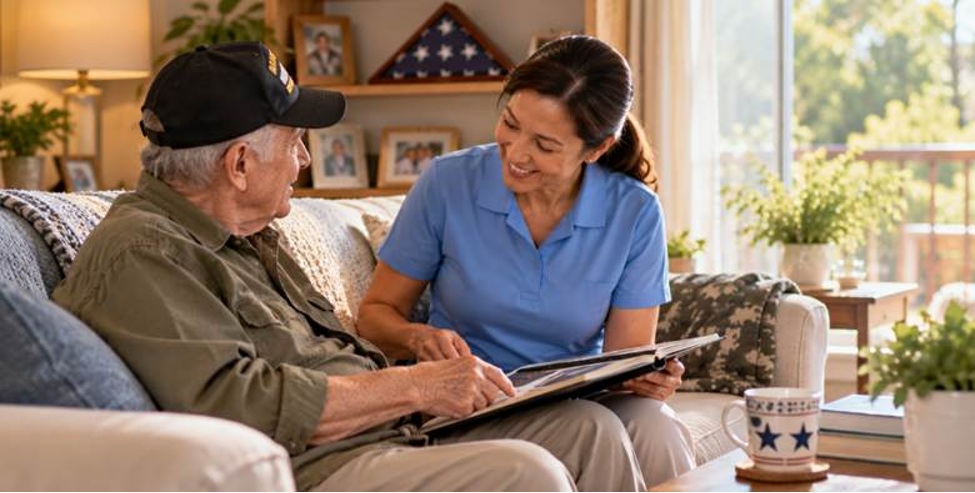
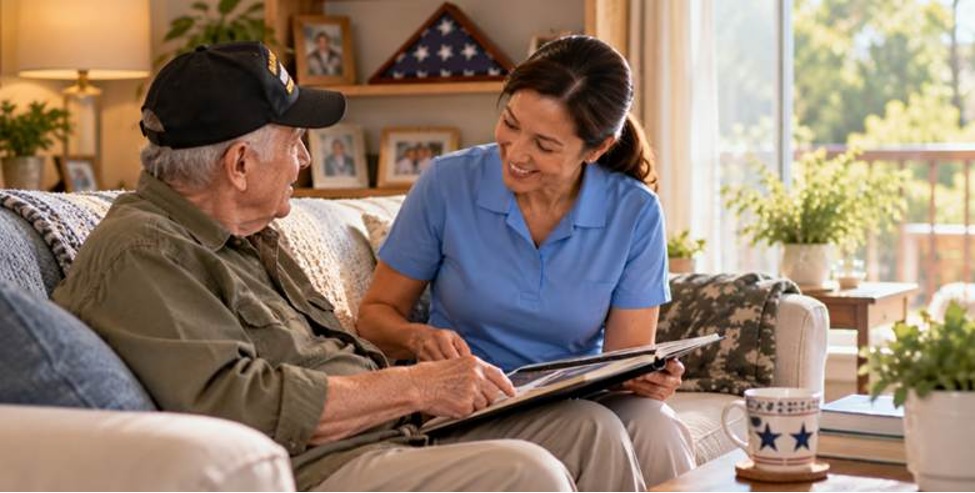
As veterans grow older, everyday activities that once felt routine can become more challenging. Families considering home care services in Corte Madera, CA may look for dependable assistance that allows a veteran to remain in familiar surroundings while maintaining as much independence as possible. Caregivers can play an important role by helping with personal routines, meals, mobility, companionship, and household activities while respecting the veteran’s preferences, experiences, and established way of life.
Veterans may have different needs depending on their mobility, daily abilities, routines, and available family support. A thoughtful care plan considers those differences rather than assuming every veteran requires the same type of assistance. Home Helpers Home Care of San Rafael focuses on personalized support that can adapt as circumstances change. By working alongside veterans and their families, caregivers can help make everyday routines more manageable while encouraging meaningful participation in daily life.
Caregivers Help Maintain Daily Independence
For many aging veterans, receiving assistance does not mean giving up independence. Personalized home care can provide help with challenging activities while allowing veterans to remain involved in the routines and decisions they can comfortably manage.
What Everyday Activities Can Caregivers Help With?
One of the most valuable roles of an in-home caregiver is providing the right amount of assistance without unnecessarily taking over. Veterans who have spent their lives valuing self-reliance may appreciate support that respects what they can still comfortably manage.
Caregivers can assist with activities such as:
- Dressing, grooming, and personal routines
- Mobility assistance around the home
- Light household activities
- Meal preparation and hydration reminders
- Companionship and everyday conversation
The amount of assistance can be tailored to the individual’s abilities and preferences so that support remains appropriate to their everyday routine.
How Can Caregivers Support a Veteran’s Independence?
Supporting independence does not mean leaving someone to manage every task alone. Instead, caregivers can recognize where assistance is helpful while encouraging participation whenever appropriate.
For example, a veteran might choose clothing independently but need help getting dressed. Another person may enjoy helping prepare meals while benefiting from assistance with more demanding kitchen tasks. Care should complement existing abilities and routines rather than replacing them.
This balanced approach can help veterans continue making appropriate choices and participating in familiar activities while receiving assistance where it is genuinely useful.
Nutrition Support Makes Daily Life Easier
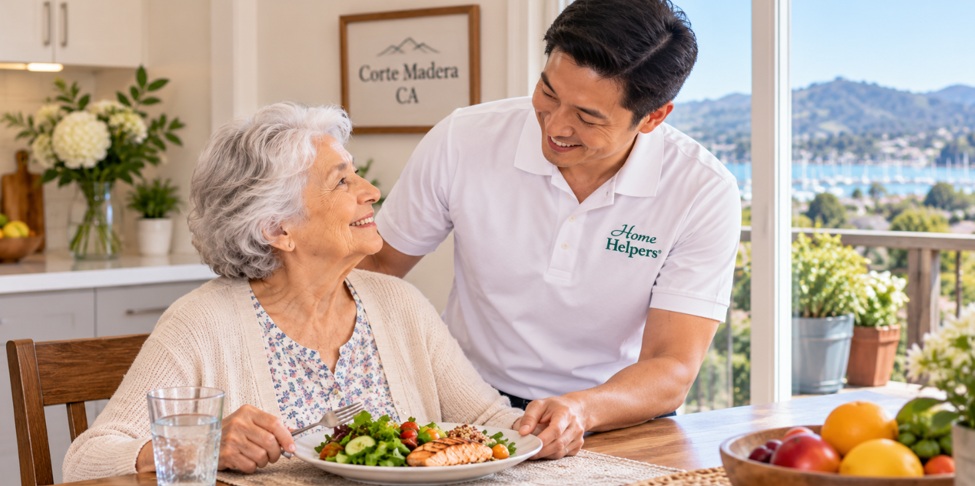
Preparing balanced meals can become more difficult when mobility, energy, or other daily abilities change. Personalized caregiver assistance can make mealtimes easier to manage while respecting familiar foods, preferences, and established routines.
Nutrition support can also provide opportunities for companionship and participation rather than treating meals as simply another household task.
How Can Caregivers Make Mealtimes More Manageable?
Caregivers can help make mealtimes more manageable by assisting with planning, preparation, and routine kitchen tasks.
For veterans who want to continue enjoying meals at home, personalized caregiver meal preparation for older adults can support consistent eating habits while keeping personal preferences in mind.
Caregivers may also provide hydration reminders and help keep beverages accessible according to the individual’s usual routine.
How Can Mealtimes Encourage Connection?
Food is more than a daily necessity. Mealtimes can provide structure, conversation, and companionship, particularly for veterans who spend significant portions of the day alone.
Caregivers can prepare familiar foods, encourage regular hydration, and share conversation while meals are served. These small interactions can make everyday routines feel more comfortable and connected.
When appropriate, veterans can also participate in simple preparation tasks, helping preserve a sense of involvement and choice.
Companionship Supports Meaningful Connections
Physical assistance is only one part of caregiving. Veterans may also benefit from having someone available for conversation, shared activities, and encouragement throughout the day.
Personalized companionship considers the individual’s interests, personality, history, and preferred routines so that interactions feel natural rather than predetermined.
What Activities Can Caregivers Share with Veterans?
Caregivers can learn about a veteran’s interests, preferred routines, hobbies, and personal history. That knowledge can help make companionship more meaningful because activities are based on the individual.
A typical day might include:
- Talking about personal interests and memories
- Listening to music or watching favorite programs together
- Taking a walk when appropriate
- Staying connected with relatives and friends
- Participating in favorite hobbies at home
Activities do not need to be complicated to be meaningful. Familiar experiences and regular interaction can become an important part of the veteran’s daily routine.
Why Does Personalized Companionship Matter?
Consistent companionship can help create a familiar daily rhythm while giving family members reassurance that their loved one has regular interaction and practical support.
Some veterans may enjoy conversation and shared activities, while others may prefer quieter companionship. Respecting these differences helps ensure that support reflects the individual rather than expecting every person to engage in the same way.
Care Can Adapt After Major Life Changes
Veterans may experience changing needs following hospitalization, rehabilitation, or another major change in their daily abilities. Returning home can require adjustments to established routines, especially when mobility or personal assistance needs are different than before.
Flexible caregiver support can help families respond to these changes without assuming that the level of assistance needed today will remain the same over time.
How Can Caregivers Help After a Hospital Stay?
During these periods, caregivers can help veterans settle back into familiar surroundings and follow everyday routines.
In-home transitional support after a hospital stay may help with meals, personal care, mobility assistance, household routines, and other nonmedical needs as the individual readjusts to life at home.
Caregivers do not replace doctors, nurses, therapists, or other healthcare professionals. Their role is to provide appropriate nonmedical assistance with everyday activities while the veteran and family continue following guidance from the appropriate healthcare professionals.
How Can Care Change as a Veteran’s Needs Evolve?
Care needs may evolve after the initial transition. Families can pay attention to which activities remain difficult and communicate those changes so the care plan continues to reflect the veteran’s circumstances.
The type, timing, or frequency of caregiver assistance can be reviewed as routines and abilities change. This flexibility helps keep support centered on what the veteran actually needs rather than relying on a one-size-fits-all approach.
Families Gain a Partner in Ongoing Care
Family members often provide considerable support to aging veterans. However, balancing caregiving with careers, households, children, and other responsibilities can become demanding when a loved one begins needing more regular assistance.
Professional home care can complement family involvement by sharing appropriate everyday responsibilities while keeping relatives closely connected to their loved one’s care.
How Can Professional Caregivers Support the Family?
Professional caregivers can work alongside relatives instead of replacing their involvement. This shared approach allows family members to remain an important part of the veteran’s life while receiving help with practical caregiving responsibilities.
Having dependable assistance with personal routines, meals, mobility, companionship, and household activities may also give family members more opportunities to spend meaningful time with their loved one rather than having every visit center on caregiving tasks.
Why Does the Right Caregiver Relationship Matter?
Veterans and families should feel comfortable with the person entering their home. Personality, communication style, reliability, and respect can all influence whether a caregiving relationship feels natural.
Families can learn more about an agency’s experienced team providing personalized senior care when considering the people involved in coordinating support. Clear communication can also make it easier to adjust routines when preferences or care needs change.
A strong caregiver relationship should respect the veteran’s individuality, experiences, preferences, and established routines while providing dependable assistance with everyday needs.
What Should Families Consider When Planning Home Care for a Veteran?
Choosing home care does not have to begin with deciding on a fixed schedule or level of assistance. Families can first consider which parts of the veteran’s everyday routine are becoming more difficult and where additional support could be most helpful.
Looking at a few practical areas can make those conversations easier:
| Care Consideration | Question to Consider |
|---|---|
| Daily routines | Which activities are becoming harder? |
| Independence | What does the veteran prefer to do independently? |
| Family support | When are relatives available to help? |
| Companionship | Does the veteran spend long periods alone? |
| Companionship | Does the veteran spend long periods alone? |
| Changing needs | Has more assistance become helpful recently? |
Care Should Reflect the Veteran’s Individual Routine
These questions can help families identify where caregiver assistance may fit naturally into everyday life. One veteran may primarily benefit from meal preparation and companionship, while another may need more regular assistance with personal routines, mobility, or household activities.
The veteran’s preferences should remain an important part of these conversations. Understanding what assistance is welcomed, which routines are important, and where independence can be maintained can help create a more personalized approach.
Families can revisit these considerations as circumstances change. Home care can then be adjusted around the veteran’s current abilities and everyday needs rather than assuming the same arrangement will always be appropriate.
Personalized Home Care for Aging Veterans
The role of a caregiver in veterans care extends beyond completing everyday tasks. Thoughtful assistance can support independence, familiar routines, companionship, nutrition, and meaningful participation in daily life while respecting each veteran’s preferences and experiences.
For families considering home care services in Corte Madera, CA, Home Helpers Home Care of San Rafael can help explore a personalized approach based on a veteran’s routines, abilities, and changing needs. Families can also learn more about our experienced team providing personalized senior care when considering the people who may be involved in coordinating support for their loved ones.
Call (415) 980-4932 to speak with our team about dependable in-home support designed around the individual needs of an aging veteran.
The Most Comprehensive Care In The Industry

Physical Wellness
We make daily life easier as needs change, with support for personal care, mobility, medication reminders, and recovery after a hospital stay.
Learn More
Mental Well-Being
Staying active and connected matters. Our caregivers provide companionship and meaningful engagement to support emotional health and independence.
Learn More
Nutrition & Hydration
Healthy meals and proper hydration are essential. We help with planning, shopping, and preparation to support daily wellness and energy.
Learn More
Active Connections
Strong relationships bring comfort and purpose. We help seniors stay connected through social engagement, technology, and regular check-ins.
Learn More