What Causes Sleep Trouble for Seniors?
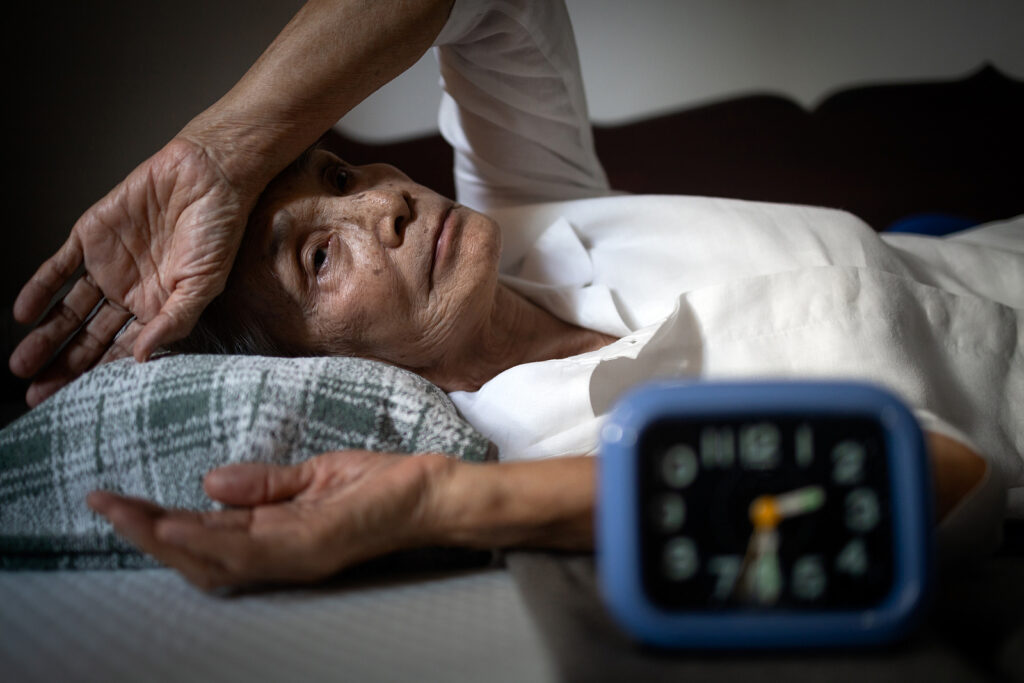
Sleep might become more elusive for seniors as they continue to age in place. Understanding what’s behind those sleep issues can help aging adults and the people who love them find solutions that work for their lives. Home care providers can help families to address the most likely culprits that are disrupting their sleep.
Changes in Daily Routines
As seniors grow older, they naturally experience changes in how they sleep. They might sleep lighter or experience frequent wake-ups overnight. Changes in their daily routines can cause trouble sleeping, too. Tracking current routines can help seniors to see what might be impacting their ability to get the sleep they want. Elder care providers can help with tracking those details.
Chronic Pain
When seniors are in pain, it’s difficult to fall asleep and stay asleep. Home care providers can help seniors figure out comfortable positions for sleeping. They can also help aging adults stay on target with pain management routines from their doctors. Using tools like heating pads, ice packs, and elevation may help more than seniors expect.
Medication Side Effects
Sometimes the medications seniors take to manage health conditions have unexpected side effects, like interrupting sleep. If medications seem to be causing sleep trouble, it’s a good idea to get in touch with the prescriber to figure out what to do next. Home care providers can help seniors keep track of the side effects they notice, ensuring that doctors have accurate information.
Loneliness and Anxiety
Emotional factors are more important to good sleep than seniors realize. If seniors feel anxious or lonely, they might have more trouble sleeping. Professional caregivers make excellent companions, which can make a big dent in feelings of loneliness. Home care providers can also help seniors to manage possible causes of anxiety so that they can get back to the things they love.
Excessive Napping
Long naps too late in the day can interfere with sleep. The naps themselves might be great, but seniors may have trouble getting to sleep again later in the evening. Limiting daytime naps is a great start. Making sure that they’re shorter is also a good idea. Home care providers work with families to establish routines and schedules that keep seniors on target with their goals.
Bright Screens Before Bed
Bright screens might help seniors keep their brains occupied, but before bed they can interfere with the wind-down cues from the brain. That means that seniors may not be able to get to sleep, even if they think they’re doing something that helps them relax. Reading real books and magazines and lowering lights before bed can help.
Underlying Sleep Problems
Sometimes there are sleep issues because of underlying sleep disorders. Sleep apnea interferes with breathing while asleep, for instance. Seniors may not wake up during those episodes, but they do still interfere with sleep. A sleep study can help to eliminate the possibility that seniors are battling a sleep disorder.
When seniors battle sleep problems, they might be dealing with more than one problem. Home care providers can work with aging adults to build routines that get them closer to perfect nights of sleep.
If you or an aging loved one is considering home care in Mountain View, CA, please contact the caring staff at Home Helpers today (408) 317-4969.
The Most Comprehensive Care In The Industry

Physical Wellness
We make daily life easier as needs change, with support for personal care, mobility, medication reminders, and recovery after a hospital stay.
Learn More
Mental Well-Being
Staying active and connected matters. Our caregivers provide companionship and meaningful engagement to support emotional health and independence.
Learn More
Nutrition & Hydration
Healthy meals and proper hydration are essential. We help with planning, shopping, and preparation to support daily wellness and energy.
Learn More
Active Connections
Strong relationships bring comfort and purpose. We help seniors stay connected through social engagement, technology, and regular check-ins.
Learn More