Anxiety in Seniors: Symptoms, Causes, and Management
The golden years are often imagined as a time to relax, cherish memories, and enjoy life’s simple pleasures. But for many older adults, this stage of life can come with challenges, including anxiety. Anxiety goes beyond ordinary worry and can deeply affect a senior’s mental, emotional, and physical health.
Addressing anxiety in the elderly isn’t just important; it’s necessary. Anxiety can affect their overall well-being and ripple out to family members and caregivers. Recognizing the signs and learning how to manage them can help seniors enjoy a comfortable and peaceful life.
The Impact of Anxiety on the Elderly
Anxiety in older adults often flies under the radar. About 10-20% of seniors experience anxiety, according to the National Institute on Aging. The actual number could be higher because symptoms are often unreported.
The effects of anxiety go beyond the emotional toll. Untreated, it can contribute to insomnia, depression, and even physical health problems like heart disease. It also strains family relationships and adds extra challenges for caregivers.
Early treatment for anxiety can improve a senior’s quality of life. It also helps create a more supportive environment for their well-being.
Symptoms of Anxiety in the Elderly
Spotting anxiety in older adults can be tricky since symptoms often overlap with other conditions like dementia or depression. Here are some key indicators:
Emotional Symptoms:
- Persistent worry or fear, often without a clear reason.
- Irritability or restlessness.
- Feeling on edge or struggling to relax.
Behavioral Symptoms:
- Avoiding social situations or activities they once loved.
- Frequently seeking reassurance or repeatedly checking on things.
Physical Symptoms:
- Rapid heartbeat, chest pain, shortness of breath, or dizziness.
- Sleep issues, like trouble falling or staying asleep.
- Fatigue or muscle tension.
Example: A senior who used to love family gatherings might now decline invitations. They may vaguely explain that they’re not feeling well enough to attend. This change might be a sign of underlying anxiety.
Causes and Triggers of Anxiety in the Elderly
Understanding what causes anxiety in older adults is the first step to addressing it. Common triggers include:
- Health Concerns: Chronic illnesses or fears of falling can heighten anxiety.
- Loss of Loved Ones: The grief of losing a spouse or close friend often brings feelings of worry and loneliness.
- Isolation: Limited social interaction, especially for those living alone, can exacerbate anxiety.
- Life Changes: Adjustments like retirement, moving to a care facility, or financial worries can feel overwhelming.
- Traumatic Events: Experiencing or recalling traumatic events, such as a past accident, natural disaster, or sudden loss, can trigger intense anxiety in seniors. These memories may resurface more frequently with age, often leading to feelings of fear or distress.
Supporting seniors with empathy and addressing these triggers can create a stable, reassuring environment for them.
How to Treat Anxiety in the Elderly
Treating anxiety in older adults requires a personalized and compassionate approach, addressing both mental and physical health needs. Since every individual is unique, combining various treatments often yields the best results. Below are effective strategies based on clinical research and expert recommendations:
Therapy: A Proven Approach
- Cognitive Behavioral Therapy (CBT): CBT is widely regarded as one of the most effective therapies for managing anxiety. It helps seniors identify negative thought patterns and replace them with healthier, more constructive ways of thinking.
For example, seniors who are worried about their health can shift their focus to positive steps to stay healthy. This helps them avoid dwelling on worst-case scenarios.
These methods are effective, but consulting healthcare professionals is important. They can help create a treatment plan tailored to the senior’s unique needs. A professional therapist or counselor can provide guidance and support to help manage anxiety more effectively.
- Mindfulness Techniques: Practices like guided meditation and mindfulness can lower stress. Focused breathing exercises also help calm the mind and reduce tension. These techniques train the mind to stay present, reducing excessive worry about the future.
Example: A senior can practice mindfulness to reduce pre-appointment jitters. They might focus on their breath for five minutes or use a guided meditation app for support.
Lifestyle Changes: Building Resilience
- Physical Activity: Gentle exercises such as yoga, tai chi, or walking can help lift your mood. They work by releasing endorphins, often called “feel-good hormones.” Regular movement also reduces muscle tension, a common physical symptom of anxiety.
Fact: According to the Anxiety and Depression Association of America (ADAA), consistent physical activity can reduce anxiety levels by up to 20% in older adults.
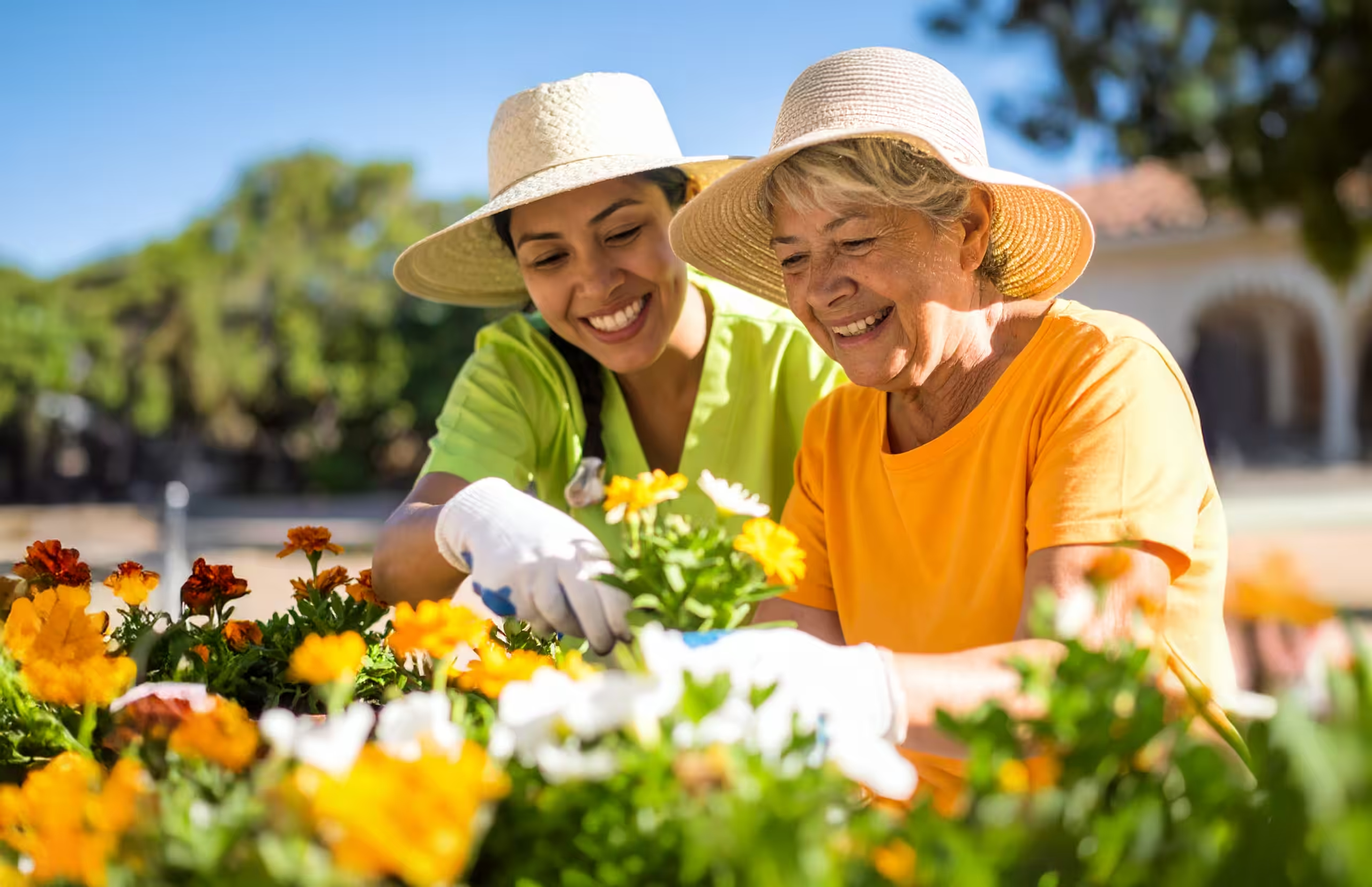
- Engaging Hobbies: Creative outlets like painting, knitting, gardening, or solving puzzles provide seniors with a sense of purpose and mental stimulation. Such activities can distract from anxious thoughts while promoting relaxation.
- Example: Gardening can give seniors a sense of accomplishment as they watch their plants grow. This activity promotes both physical health and emotional well-being.
Non-Pharmaceutical Approaches: Natural Calming Techniques
- Deep Breathing Exercises: Deep breathing exercises and progressive muscle relaxation are effective anti-anxiety techniques. Controlled breathing techniques, such as the 4-7-8 method, help reduce panic and slow your heart rate. This method involves inhaling for 4 seconds, holding your breath for 7 seconds, and exhaling for 8 seconds. You can do this simple practice anywhere without needing any equipment.
- Progressive Muscle Relaxation: This involves tensing and then releasing muscle groups, starting from the toes and moving upward. It not only reduces physical tension but also helps seniors focus on their body sensations rather than anxious thoughts.
Example: A senior practicing progressive relaxation before bedtime may experience better sleep and fewer nighttime anxieties.
- Social Connection: Encouraging seniors to participate in social groups, support networks, or community programs can significantly alleviate feelings of isolation and anxiety.
Why This Matters
Combining these methods allows for a holistic approach to treating severe anxiety in older adults. Consult healthcare professionals to tailor a treatment plan to the individual’s needs. This approach ensures the treatment is both balanced and effective.
Management of Anxiety in the Elderly
Here are actionable tips for managing anxiety:
- Relaxation Techniques: Teach seniors deep breathing or visualization exercises to reduce stress.
- Social Connections: Encourage participation in community events or support groups to combat isolation.
- Structured Routines: Consistent daily activities provide comfort and reduce uncertainty.
These small but effective changes can help seniors feel more in control and at ease. However, if anxiety does not improve or becomes more severe, take action. Contact a healthcare provider or mental health professional to get the necessary support. They can recommend additional resources or interventions to ensure your loved one receives the care they need.
The Role of Caregivers and Family Members
Family caregivers play a vital role in supporting older adults with anxiety.
- Open Communication: Create a safe space for seniors to share their worries.
- Calming Environment: Keep the home peaceful with minimal noise or distractions.
- Reassurance: Simple gestures like holding their hand or offering encouraging words can make a significant difference.
If a senior feels anxious about a doctor’s visit, a family caregiver can explain what to expect and accompany them for comfort.
Conclusion: Finding the Right Balance
Anxiety in older adults is a real challenge, but it’s also manageable. With compassion, understanding, and the right strategies, you can help your senior loved ones live a calmer, happier life.
Remember, it’s not about eliminating the feelings of anxiety entirely—it’s about creating a supportive environment where they feel safe, understood, and cared for.
If you’re on this journey, know you’re not alone. There are resources and professionals ready to support you every step of the way.
Here are three resources to support you on your journey:
- National Institute on Aging (NIA): The NIA offers reliable information on mental health and aging, including strategies for managing anxiety in seniors. Visit www.nia.nih.gov for articles, guides, and research-backed advice.
- Anxiety and Depression Association of America (ADAA): The ADAA provides resources specifically tailored to anxiety in older adults, including coping tools, professional directories, and support groups. Explore their offerings at www.adaa.org.
- Local Aging Services or Senior Centers: Many communities have agencies on aging or senior centers offering programs, counseling, and support tailored to the unique needs of older adults. Contact your local Area Agency on Aging for details.
These resources can help guide you and provide the tools you need to support your senior loved one effectively.
The Most Comprehensive Care In The Industry

Physical Wellness
We make daily life easier as needs change, with support for personal care, mobility, medication reminders, and recovery after a hospital stay.
Learn More
Mental Well-Being
Staying active and connected matters. Our caregivers provide companionship and meaningful engagement to support emotional health and independence.
Learn More
Nutrition & Hydration
Healthy meals and proper hydration are essential. We help with planning, shopping, and preparation to support daily wellness and energy.
Learn More
Active Connections
Strong relationships bring comfort and purpose. We help seniors stay connected through social engagement, technology, and regular check-ins.
Learn More